
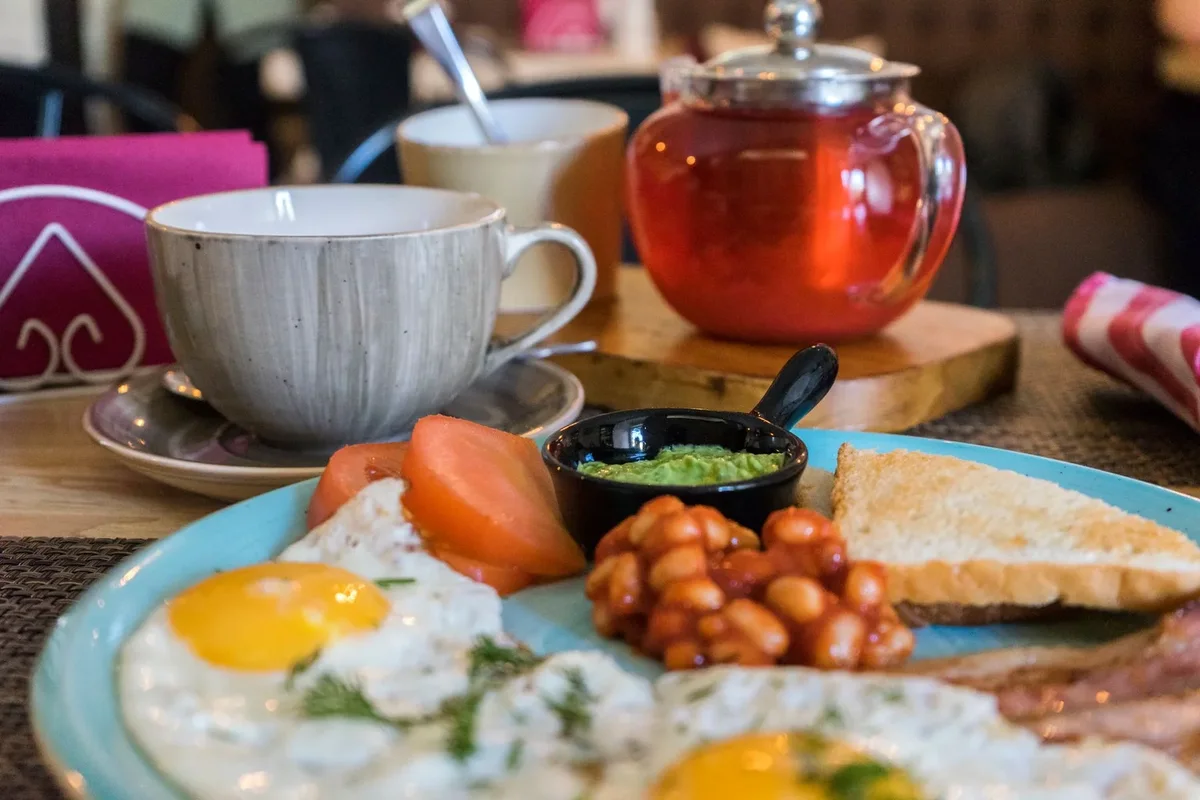
An appetizing visual is only the visible face of the campaign. The restaurant's service capacity, the product's storage and preparation conditions, the actual ingredients on the menu, availability, delivery zones, and the limits of health claims determine the narrative's accuracy. That's why we start the work not just with the question "who should post?", but by asking which consumer decision we will facilitate with what proof.
Before the meeting
- The clear definition of the product or venue, target audience, sales channel, campaign period, and primary goal are shared.
- Information requiring verification, such as allergens, ingredients, portion sizes, preparation, and nutritional claims, is obtained from the product owner.
- Whether the content will be used in ads, brand accounts, menus, or e-commerce outside the creator's account is determined.
- If the budget is unknown, comparable scenarios are built based on creator, delivery, and rights scope.
Who is a food and beverage influencer campaign suitable for?
Restaurants, cafes, and hospitality F&B units
Suitable for businesses that want to showcase the venue atmosphere, service style, menu selection, and reason to visit through a genuine experience flow. Branch, hours, and reservation details must be kept up-to-date on the campaign day.
Packaged food and beverage brands
Brands wishing to narrate the usage moment, preparation, flavor profile, or role in a recipe; when stock and distribution are ready, the content can be tied to an accessible point of purchase.
Those demanding unproven health claims or forced praise
Unverified health claims not compliant with regulations, misleading product narratives, or demands for positive opinions independent of the creator's experience are not a safe campaign scope.
Brand preparation defines the visible experience
The product set aside for the campaign, branch capacity, and staff awareness are as important as the content. A creator being invited but the reservation being unknown, the product missing, or the menu presented differently creates operational issues before communication even begins. A single brand owner connects the information flow among the product, venue, and agency.
Preparation isn't just a flawless table setting. Real usage conditions like rush hours, takeout, home consumption, and practical recipes can change the campaign idea. The campaign must select an experience the brand can deliver; it shouldn't drive demand to out-of-stock products, closed branches, or unserviced regions.
What is the scope of the food and beverage campaign service?
The scope separates the assets the brand holds from the support it needs. Some teams come with approved product info and creative ideas; others want to build the entire operation together, including goal-setting, creator research, tasting flows, and reporting. In all cases, responsibilities are kept visible in a single brief.
Discovery and product reality
Business goals, target audience, sales channels, ingredient and allergen info, service conditions, mandatory disclosures, and restricted claims are combined in a written brief.
Creator research
Food narratives, filming quality, audience context, past commercial content, city reach, brand safety, availability, and commercial terms are evaluated.
Creative direction
Instead of "shoot the table and post," the tasting sequence, product role, usage moment, recipe steps, verifiable info, and call to action are defined.
Agreement and rights
Delivery, publication, revisions, fees, product/invitation compensation, exclusivity, raw files, organic reposts, and ad usage are separate line items.
Logistics and publication
Reservations, branches, product shipping, cold chain needs, drafts, consolidated feedback, commercial disclosures, and publication links are coordinated.
Reporting and learnings
Accessible data from agreed sources is collected; creative approaches, creators, products, distribution, and targets are interpreted with their limitations.
Write down what's included and what's separate
Professional kitchen production, food stylists, studios, actors, comprehensive recipe development, out-of-town travel, paid media management, legal opinions, and off-platform licensing aren't automatically included in every proposal. If needed, they are written as separate deliverables, responsibilities, and costs. This separation makes price comparisons honest.
The brand prepares current product info, necessary permits, product safety instructions, timely approvals, and the sales point directed by the campaign. MyFenomen can manage the coordination and content flow; it does not assume the establishment's food safety responsibilities or authorized legal counsel.
How do we plan and execute the campaign?
The process makes every output the input for the next decision. The goal affects candidate criteria, the candidate affects creative approach, product conditions affect the filming plan, and rights scope affects the delivery format. An urgent timeline doesn't eliminate these decisions; it merely narrows the window for discussions, logistics, and approvals.
Decision logging is especially necessary in multi-branch or multi-product projects. When why a product was chosen, which info is mandatory in a recipe, which branch the creator will visit, and which file is approved are kept in one place, contradictory directions are reduced.
-
Discovery
Goals, audiences, products, channels, periods, and risks are gathered; the primary campaign question is written.
-
Scope
Creator profiles, content deliveries, experience formats, rights, data, and owners are determined.
-
Agreement
Candidates, fees, product/invitation compensations, timelines, revisions, and commercial disclosures are formalized.
-
Execution
Logistics are completed; content is checked for product accuracy, brief alignment, disclosures, and rights.
-
Evaluation
Publication proofs and accessible data are collected; learnings and the next decision are recorded.

Operations card for the experience day
- Verify first: Branch, time, table, contact person, product availability, and filming permissions are re-checked.
- Experience next: The creator experiences the agreed product and usage context while preserving their personal opinion.
- Pre-publication check: Incorrect ingredients, prices, allergens, or campaign conditions are corrected; the commercial relationship is visibly disclosed.
- Post-publication record: Links, dates, delivery files, permissions, and data screens are stored in the agreed location.
DECISION FLOW
- Product and goal
- Creator and idea
- Experience and check
- Publication and learning
This diagram does not show performance ratios; it outlines the sequence of connected decisions.
Which campaign type is chosen based on the goal?
The campaign type is chosen not by a popular format, but by which consumer decision it will drive. Discovering a new restaurant and understanding the usage of a product on a grocery shelf require different creative proofs, distribution, and measurement. The same creator list and delivery package don't fit every goal.
| Campaign type | Suitable goal | Core requirement | Evaluation focus |
|---|---|---|---|
| Venue experience | Branch or concept discovery, menu experience, reservation interest | Ready service, correct location, and visible invitation relationship | Content quality, local interest, profile, and reservation signals |
| Product trial | Narrating taste, texture, preparation, or usage moment | Stock, distribution, product safety, and accurate claims | Audience questions, saves, clicks, and relevant sales data |
| Recipe partnership | Demonstrating the product's role in the kitchen and repeat usage | Actionable recipe, measurements, time, and documented rights | Completions, saves, recipe engagement, and content reuse |
| Launch or season | Announcing a new product, limited menu, or seasonal selection | Simultaneous stock, firm dates, and rapid approval capacity | Seasonal reach, search interest, and point-of-sale movement |
Broad discovery
Multiple creator approaches can be used to make different consumption contexts visible. The core message remains the same; usage moments like breakfast, office, family dinners, or eating out are differentiated. As the number of creators grows, coordination, product shipping, and data collection burdens increase.
Deep narrative
Complex preparation, chef stories, product origins, or recipe tutorials can be developed with fewer but highly knowledgeable creators. A long narrative isn't automatically more effective; the audience's question, platform format, and the proof the brand can verify are the deciding factors.
Separate local demand from national distribution
High nationwide visibility for a single-branch establishment might create demand that cannot be fulfilled. A local creator's city and neighborhood context can be more suitable than a large, scattered audience. For packaged goods, the distribution network, e-commerce, and store availability define the target geography.
Sharing a location tag or sales point in the campaign isn't enough on its own. Addresses, operating hours, reservation channels, delivery boundaries, and in which stores the product can be found must be verified during the campaign period. When the content becomes outdated, brand channels must provide current directions for changed information.
How does the content format fit the product experience?
Preparation and first experience
Motion, sound, texture, and service sequences can be shown in short video. The opening shouldn't just be an appetizing visual; it should also establish the audience's question: how is it prepared, when is it consumed, or what to expect at the venue?
Instant direction and questions
Suitable for time-sensitive information like location, reservations, product selection, or limited menus. Links and tags are checked before publication; disappearing content is saved for reporting proof.
Steps, comparisons, and savable info
Recipe steps, menu guides, serving suggestions, or ingredient explanations can be presented with sequential images. Numerous claims aren't squeezed into small text; a clear information hierarchy the consumer will understand is built.
A shot list is not a script
The brand can provide a checklist to ensure the packaging is visible, preparation is safe, and mandatory info is included. However, a script making every creator say the same words narrows the natural experience and creative diversity. Good creative direction defines the question, proof, and boundaries, leaving the tone of voice to the creator.
Color and texture are important in food and beverage content; however, visual edits shouldn't make the product look different from what is actually served. If a representative serving, extra garnishes, or different portion sizes are used, a non-misleading context is needed. Prices, campaign packages, and availability are also verified at the time of publication.
| Format | Strength | Production condition |
|---|---|---|
| Tasting narrative | Connects personal experience with product features | Freedom of opinion, accurate product, and visible commercial disclosure |
| Recipe video | Shows product usage step-by-step | Clarity in measurements, preparation, safety, and usage rights |
| Venue tour | Presents atmosphere, service, and menu selection together | Filming permissions, guest privacy, and alignment with operations |
Content production for brand accounts
The creator may deliver content solely to the brand without publishing it on their own account. In this model, the creator's production skills are utilized, not their distribution. File formats, different framing, no-voiceover versions, subtitles, raw footage, and editing rights must be explicitly written. Publication responsibilities and performance data on the brand channel are managed separately.
This approach can be considered especially when the brand needs regular social content, usage footage for product pages, or production for different ad angles. Yet, a creator's natural narrative is not the same service as professional commercial acting. The brief must clarify whether personal experience, recipe development, on-camera presentation, or just hand and product shots are expected from the creator.
Separation of technical delivery and distribution
Delivery is also defined technically: vertical or horizontal framing, resolution, safe text areas, subtitled and non-subtitled versions, cover images, audio files, and whether project files are required are determined upfront. Requesting a new ratio or new edit later on might require additional production, not just a simple file transfer. Music licensing may differ between organic use on the creator's account and the brand's ad use.
Content on the brand channel does not automatically reach the creator's followers. Thus, the proposal shows the value of creative production and distribution separately. The brand assumes its own publication plan, community response, and media support, or includes them separately in the scope. Success evaluation is based on the actual data of the brand channel where the content is used, not the creator's account performance.
View distribution and production as separate decisions
A file delivered to the brand account does not mean access to the creator's community has been purchased. Likewise, publication on the creator's account doesn't grant the brand unlimited file and ad rights. If the campaign carries both needs, delivery, publication, ad permissions, and reporting are written as four separate line items.
This separation clarifies creative evaluation. The filming and narrative quality of the file is examined in terms of production; the distribution and actions it receives are examined in terms of the account it was published on and media conditions.
Publication on the creator's account
Content meets the creator's community and narrative style. Publication times, descriptions, tags, links, and commercial relationship visibility are included in the agreement. If the brand later wants to use the same content on its own account or in an ad, this right is not assumed to be included in the organic publication fee.
The decision to publish on the creator's account isn't made solely by reach numbers. It's examined whether the audience expects food recommendations, recipes, budget-friendly choices, family experiences, or expert opinions from the creator. If the product doesn't naturally fit the account's usual narrative, high view assumptions won't fix campaign incompatibility. Past ad density and reactions to commercial content in comments are also evaluated qualitatively.
The brand team must also be ready on publication day. Current product info, stock, and purchase links are on the profile; who will answer questions and complaints is clear. The creator isn't expected to answer technical product questions alone in the comments section. The brand provides verified short answers and, when necessary, the redirection channel. Serious safety notifications are escalated to the authorized team instead of being used as normal engagement goals.
Publication duration and content series
Conditions for deleting or archiving content after publication, organic publication duration, and preserving the brand tag are explicitly written. If the product is no longer sold or campaign info changes, the update path is determined. Instead of an assumption that it will stay live forever, a realistic duration and purpose of use are agreed upon; screenshots and publication links are added to the report record.
Tie the format to the consumption journey
Instead of expecting one piece of content to do everything, tasks are assigned to formats. A short video might establish preparation and initial curiosity; a story can show today's valid location or link; a carousel can present recipe measurements in a savable way. These pieces don't repeat each other; they complete different stages of the same consumer question. The creator is only responsible for the deliverables listed in the contract.
If a series is planned, the separate purpose and dependency of each episode are written down. If the second content is meaningless without the first, the publication order is maintained. Conversely, content for independent recipes or different branches can be planned so that an issue with one creator doesn't halt the whole campaign. The series name, cover language, and product visibility might be consistent; the creators' sentences are not copied.
The content plan relies on kitchen capacity
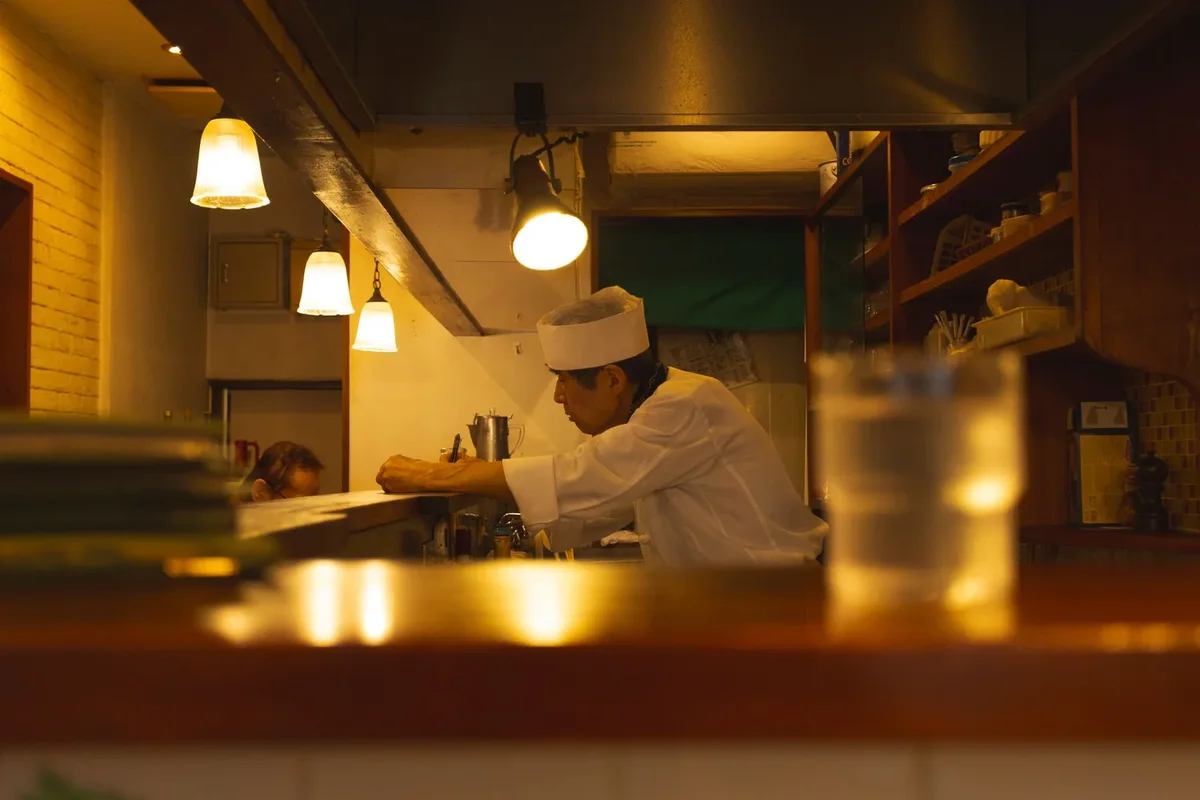
Workspace, crew, and time are planned as much as the product for recipes, service, and preparation footage. If the creator will enter a professional kitchen; safety, hygiene, employee appearances, and usable equipment are discussed in advance. An idea that cannot be produced without disrupting actual operations only looks good on a storyboard.
Community, accessibility, and live streams
The comment and Q&A area is also part of the format decision. Measurement and alternative ingredient questions can be expected in recipe content; transport, reservation, and price questions might stand out in venue content. The brand prepares a verified answer note before publication. The creator answers their personal experience, while the brand handles current operations and product info. This separation prevents giving wrong info for the sake of a quick reply.
Accessibility is not an afterthought decoration for content production. Understandable subtitles for speech, legible text contrast, cues not relying solely on color, and verbal explanations of steps shown in the visual help more people use the content. Who will prepare the subtitle file and how brand names and product terms will be spelled are added to the delivery scope.
Live streams, long-form videos, or podcast-like formats are only chosen if the product's narrative and audience questions demand it. Since the ability to cut a false claim before publication is limited in live content, the talking framework, moderation, commercial disclosure, and crisis direction are prepared in advance. If the recording will be used later, archive, snippet, and republication rights are also agreed upon. Every delivery must fulfill a clear task in the brand's actual publication plan.
What affects the food and beverage influencer campaign budget?
There is no single standard price. The creator's commercial condition is evaluated along with the requested delivery, filming effort, travel, publication, exclusivity, and usage rights. Providing the product or a meal does not replace the content production fee under any circumstance; what the compensation is, is explicitly written in the negotiation.
Comparable proposals require the same brief
Two proposals, one including only a single organic post and the other including raw files and ad usage, cannot be directly compared. In every scenario, creator count, deliverables, publication channels, product expenses, travel, revisions, rights, media budget, and management items must be shown under the same headings. This way, it becomes clear which need the seemingly lower price leaves out.
Media budgets, creator fees, and agency operations are kept separate. If paid support is planned, which content will be used through which account, for how long, and with what permission is specified. Requesting additional mediums, new cities, or longer usage times after the campaign starts may constitute a scope change.
Product and complimentary expenses
It must be visible in the budget who will cover the product, ingredients, service, and companion meals used during filming. Providing a valuable experience doesn't automatically cover the creator's effort for filming, editing, publication, and usage rights. If the limit of complimentary items is left vague, both the business and the creator may face an unexpected situation.
Cancellation and postponement risks
Weather, branch operations, product supply, creator health, or delivery issues can affect the filming date. The cancellation window, resending the product, travel expenses, and rescheduling responsibilities must be addressed in the proposal and contract. Thus, decisions during a disruption don't turn into personal bargaining.
How are commercial disclosures, food claims, and usage rights managed?
In Turkey, the Ministry of Trade's guidelines for social media influencers frame the responsibilities of the advertiser, agency, medium, and influencer for commercial ads and practices aimed at consumers. Providing payment, free products, meals, invitations, or other benefits by the brand may require the relationship to be visibly disclosed. Using platform tools does not eliminate the need to separately evaluate national rules.
In food narratives, personal opinions about the product's taste are separated from ingredient or health claims that require verification. "Refreshing to me" is an experience statement; statements suggesting it prevents or treats a disease, or provides a specific health effect require different regulations and proof. The brand provides the creator with a pool of approved statements and claims to avoid.
PRE-PUBLICATION COMPLIANCE
- Identify the commercial relationship
- Verify the product claim
- Write down rights and permissions
- Check visibility upon publication
Operational checks do not replace authorized legal or regulatory consulting for a concrete campaign.

Define rights by channel, duration, and purpose
An organic post on the creator's account, delivering the content file to the brand, and using the content in an ad are not the same right. The scope for reposting on brand accounts, e-commerce pages, digital screens, printed materials, other countries, editing, subtitles, music, and raw files is written separately.
In venue shoots, the appearance of other customers and employees is also evaluated. Instead of making recognizable individuals the main content element without permission, framing and filming times are planned; if necessary, an appropriate permission process is executed. If personal data will be collected via contests, reservations, or sample applications, the data controller and disclosure process are determined separately.
| Topic | Question to ask | Record |
|---|---|---|
| Commercial relationship | What payment, product, invitation, discount, or benefit was provided to the creator? | Contract, brief, and visible publication disclosure |
| Product claim | Is the statement supported by the label, technical file, and current regulations? | Approved statement and product owner confirmation |
| Content rights | Who can use it, where, for how long, and for what purpose? | Medium, duration, region, editing, and ad permissions |
How is the campaign measured and reported?
Measurement is established based on the initially written goal, not by the highest random number found post-publication. Local visibility and reservation intent in venue discovery; save and application questions in recipes; and product page and order events with a proper tracking infrastructure in e-commerce carry different meanings. Each data source is recorded with its period and definition.
Don't mix sales data with content data
An order can be affected by influencer content, campaign offers, price, stock, store proximity, delivery times, and previous brand touchpoints. Coupons or tagged links can strengthen measurement, but might ignore unmeasured sales or blur the source due to shared codes. The report explicitly states this limitation.
If data will be requested from creators, which screen, on what date, and for which period is determined in advance. Different platform definitions are not melted into a single total. Paid distribution results are not presented as organic content results; media spend and targeting are reported separately.

How do restaurant, cafe, packaged goods, and delivery campaigns differ?
Restaurant and hotel food and beverage
Reservations, service hours, menu availability, venue atmosphere, and filming permissions meet in the same operation. The creator's local reach and visit context can be more explanatory than follower size alone.
Cafes, bakeries, and multi-branch businesses
Branch consistency, seasonal products, peak hours, and fast service experiences are important. If the price or package in the campaign material isn't valid at every branch, the scope is clearly stated.
Packaged food and beverage
Labels, ingredients, allergens, preparation, portions, and availability are verified. Home use or recipe production should show the product's true role; visual presentation shouldn't exceed the reality on the label.
Food delivery and subscriptions
Service areas, delivery conditions, app experiences, minimum carts, or seasonal campaigns may change. These details and links are re-checked before the content goes live.
Chef, recipe, and kitchen equipment partnerships
Technical narratives, recipe development, and professional use may require more detailed deliverables and rights. Expertise claims are presented without confusing them with actual experience and qualifications.
Supplements, products for children, and special claims
Target audiences, health or nutritional claims, and ad restrictions are evaluated against current category-specific regulations. A general campaign check does not replace expert legal and compliance review.
Subsegments change creator selection criteria
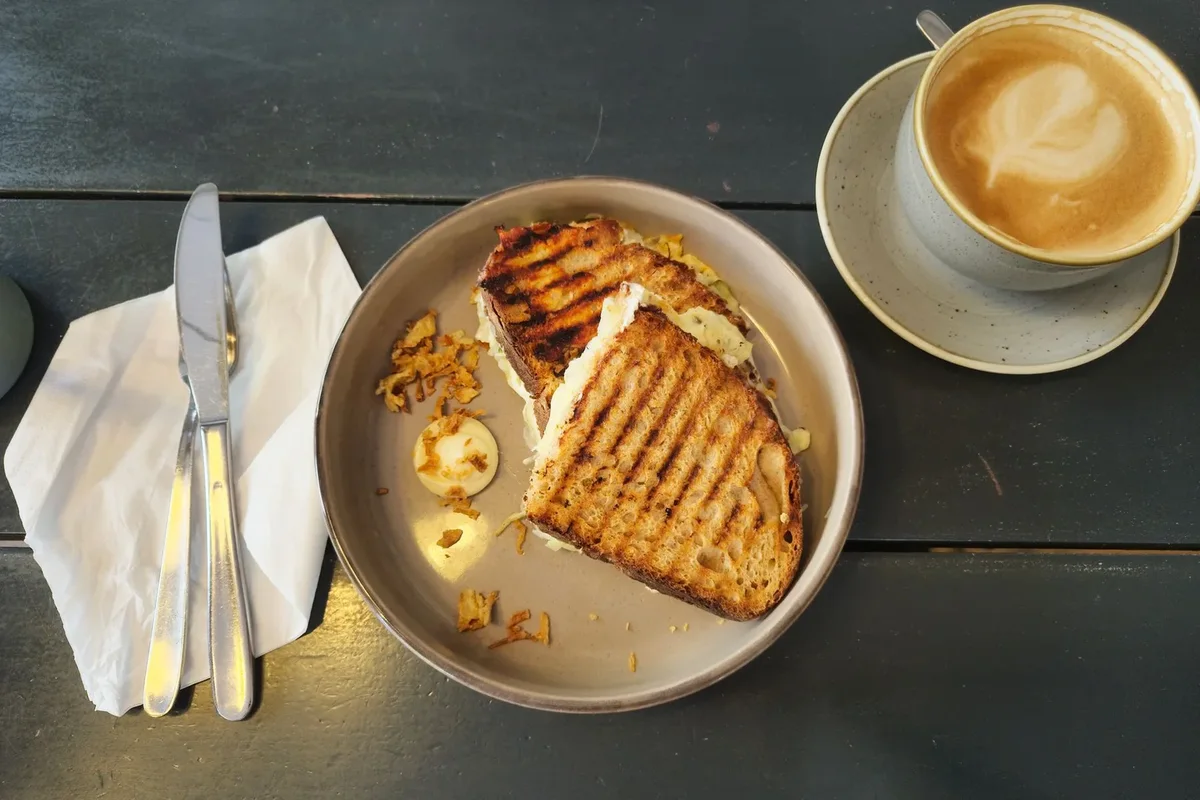
A restaurant critic, a practical recipe creator, a family life narrator, and a coffee expert are not the same "food and beverage influencer." Affinity to the topic is evaluated not just by whether they showed food in the past, but by what decisions their audience listens to them for and how skillfully they can narrate the product.
The role of each name on the candidate list is written in the campaign. One might take on local discovery, another recipe teaching, and another product comparison. For creators chosen for the same role, creative hypotheses are separated; thus, what is learned from the result becomes clearer.
New openings
In a new venue campaign, the menu, team, reservations, and service routines might not be settled yet. It's risky to replace initial operational testing with content creators. First, the product and service flows are verified on a small scale; campaign invitations are spread out according to actual capacity. The start and end dates of opening-special promises are explicitly stated in the content.
Seasonal or limited products
A short-term product might go out of stock before content production is completed. The allocated product quantity, sales start, final day, branch scope, and alternative product decisions are in the brief. Expired content isn't supported with ads; the brand profile redirects to current availability info.
What mistakes are repeated in food and beverage influencer campaigns?
- Looking only at followers: Topic, city, narrative, and audience alignment go unnoticed. Evaluate candidates with a scoring and qualitative review tied to the goal.
- Sending the product at the last minute: Perishable goods, missing ingredients, or delayed deliveries put the shoot at risk. Write down the logistics owner and backup plan.
- Giving every creator the same text: The content loses its natural context. Fix mandatory facts; leave room for experience and storytelling style.
- Not checking health promises: Personal opinion can turn into an unproven claim. Prepare an approved statement list with the product and compliance owner.
- Asking for rights later: Organic posts are assumed to grant unlimited ad rights. Price the medium, duration, region, and editing upfront.
- Reporting only visibility: The goal, period, and data source get lost. Interpret distribution, interest, action, and learnings under separate headings.
Tie kitchen realities to the marketing calendar
Even if the product is ready for a photo, the service team, branch stock, or delivery network might not be ready for the campaign. Communication and operations teams must approve the launch date together. Calling many creators at the same time on a busy opening day can disrupt both the actual customer experience and content production.
When an error occurs, instead of silently altering the content, find the source: was the brief incomplete, product info wrong, logistics delayed, or approval time unrealistic? The correction should improve not just that post, but the workflow of the next campaign.
What checks are made before the brief and publication?
Before starting
- Are the primary goal and target audience clear in a single sentence?
- Are the product, menu, branch, and sales channels ready for the campaign period?
- Have ingredient, allergen, preparation, and approved claim info been obtained from the owner?
- Is creator selection based on topic, city, audience, and creative competence?
- Are fees, product, invitation, and other compensations clear?
- Have publication, file, ad, and reuse rights been separated?
Before publication and delivery
- Do product and venue visuals match the actual delivery?
- Are prices, dates, addresses, stock, and links current?
- Is the commercial relationship disclosure visible and understandable?
- Are health and nutritional statements within the approved framework?
- Are permissions for music, people's appearances, and brand assets in order?
- Is it clear who will obtain publication proofs and report data?
Check the owner of the check
A checklist only works if every question has an owner and proof. The product manager can check content and claims, the branch manager operations, marketing the brand tone, legal or compliance the regulated areas, and the agency the integrity of the brief and deliveries. In small teams, roles can merge; the responsibility doesn't disappear.
Feedback is consolidated into a single document. When one team says "make the product bigger" and another says "look natural," contradictory demands shouldn't go to the creator. The decision owner separates mandatory corrections from preferential comments and replies within the approval window.
Basic concepts in proposals and briefs
- Brief
- The working document that unites the goal, audience, product reality, deliveries, timeline, rights, and restrictions.
- Commercial relationship disclosure
- Visible statements and platform tags ensuring the consumer understands the advertising relationship formed by payment, free products, invitations, or other benefits.
- Organic publication
- Content published on the creator's own account without purchasing additional paid distribution.
- Paid distribution
- Supporting content through an advertising system with a budget and targeting; requires separate permissions and reporting from organic publication.
- Usage rights
- Permission defining who can use the content, in which medium, region, for how long, and for what purpose.
- Exclusivity
- A condition restricting the creator from working with specific competitor categories or brands for a defined period and scope.
- Raw file
- Unedited footage separate from the published edit; its delivery and usage rights are not automatic.
- Reshoot
- A new shoot requiring the product and production environment to be set up again, not just an edit to the existing file.
- Nutritional claim
- A statement indicating a food has a particular property regarding energy or nutrients, with usage conditions regulated by law.
- Health claim
- A statement establishing a relationship between a food or its ingredient and health, requiring special regulatory evaluation.
- Attribution
- The measurement approach defining which touchpoint an observed click, reservation, or sale is associated with.
- Publication proof
- Records showing the delivery occurred with links, dates, visible disclosures, and agreed-upon data screens.
Use the same word with the same meaning
If "content included" means only a published video to one party and a raw file with unlimited ad permissions to the other, a dispute is inevitable. Every delivery's format, count, publication location, and right are explicitly written in the proposal. Similarly, a "revision" and a "reshoot" are not considered the same job.
Measurement terms are also used according to their definitions on platform screens. Reach, views, watch time, engagement, and clicks are not interchangeable. The report title includes the data source and period; screenshots are separated from interpretations.
Frequently asked questions about food and beverage influencer campaigns
What is a food and beverage influencer campaign?
It's an effort where a restaurant, cafe, food, beverage, or delivery brand plans creator selection, product or venue experience, content delivery, commercial disclosure, usage rights, publication, and measurement together for a specific business goal. It's not just a post in exchange for free food or a one-off product delivery.
In a well-defined campaign, it's clear why the creator was chosen, which consumer question they will answer, which product information will be verified, and who the brand's approval owner is. The outcome is evaluated with the initially defined goal and accessible data.
How many influencers should we work with?
There is no universal number. The goal, city or distribution area, product type, creative hypothesis, budget, logistics, and the team's approval capacity are evaluated together. A few strong matches with clear roles can be more manageable than many irrelevant accounts; the exact scope is determined after the brief.
As the number of creators increases, so does the burden of contracts, product shipping, reservations, drafts, and data collection, not just potential visibility. The scope the team can manage with the same quality is the baseline.
Is follower count enough for creator selection?
No. Topic and city alignment, storytelling skills, content quality, audience context, comment structure, past collaborations, brand safety, and production capacity are examined together. Follower size alone doesn't prove content suitability or future results.
Does sending free food or products guarantee a post?
No. Sending a product or invitation does not grant an automatic publication obligation or the right to a positive review unless there is a written agreement. The expected delivery, date, compensation, and disclosure condition must be discussed in advance. The creator's actual experience and opinion are protected.
Can content be approved before publication?
Yes, a draft and approval flow can be defined in the scope. The review focuses on product accuracy, allergen or preparation information, mandatory disclosures, brand safety, and brief delivery. Turning every sentence into a corporate ad can weaken the creator's natural narrative.
The number of revisions, approval time, and reshoot conditions are written down initially. If perishable products or venue shoots need to be restaged, their logistical impact is separately evaluated.
Must the influencer disclose being invited or receiving the product for free?
The commercial relationship must be understandable by the consumer. When payment, free products, meals, invitations, discounts, or other benefits are involved, appropriate visible disclosures and the platform's respective tools must be evaluated. Hidden, vague, or bio-only statements should not be considered sufficient.
In a concrete campaign, the Ministry of Trade guidelines, applicable advertising laws, and platform rules are checked together. This page is not legal advice.
Can we request a positive review?
Forced praise contrary to the creator's actual experience should not be requested. The brand can correct product information, service scope, and inaccurate factual statements; it cannot dictate personal taste opinions. The collaboration's purpose must be explained beforehand, and if a negative experience occurs, the publication and correction process should be handled according to the contract conditions.
Can health or nutritional claims be used?
They should only be considered if the specific product and statement meet the conditions of current regulations and can be verified by the brand. Personal experience cannot be turned into a disease prevention or treatment promise. Instead of having the creator make improvised health claims, they are provided with an approved statement pool and a list of claims to avoid.
In sensitive areas like food supplements, products aimed at children, or special categories, authorized legal and compliance reviews may be required.
How are reservations managed in a restaurant campaign?
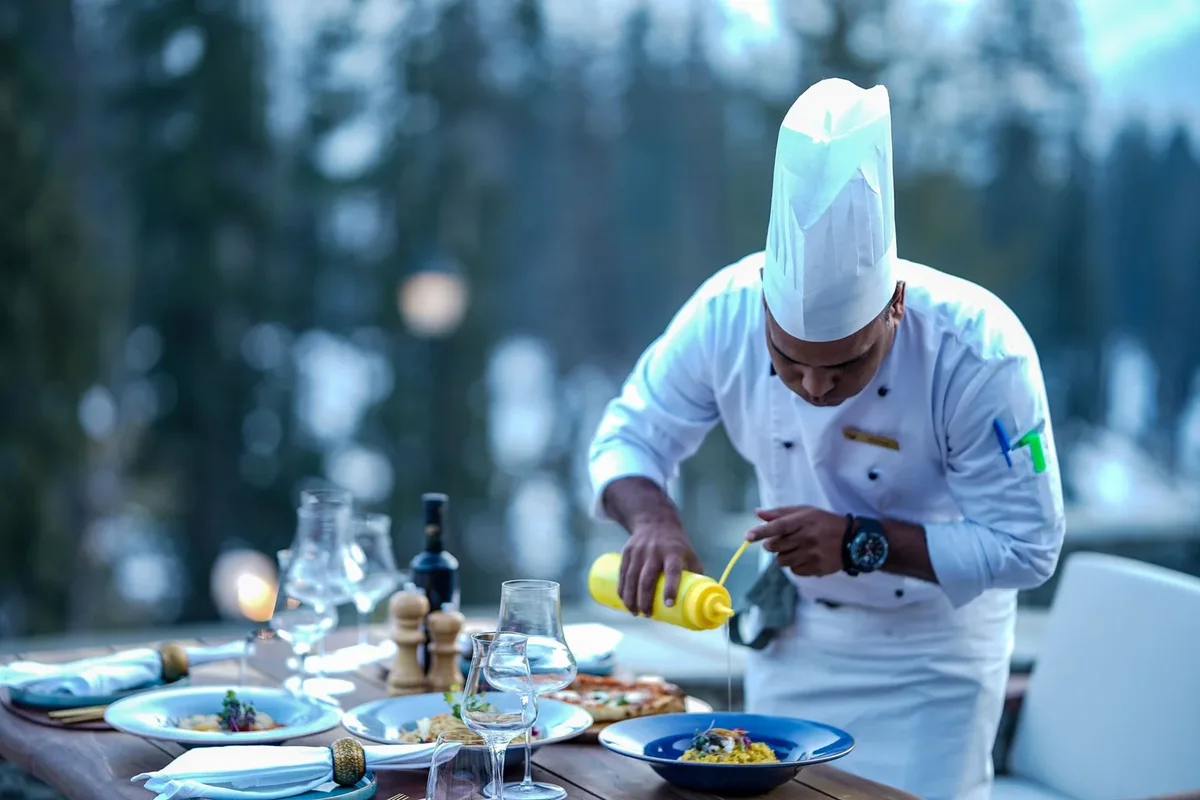
The branch, date, time, table, contact person, number of companions, complimentary scope, and filming permission are written in advance. The establishment's staff is informed; a flow that won't disrupt the creator's normal customer experience is chosen. If filming is required during peak service hours, operational capacity is additionally approved.
Who is responsible for the cold chain or storage conditions of the product?
The brand or the sending party provides safe packaging, transportation instructions, and product information; the creator complies with receiving and usage instructions. Responsibility and delivery confirmation must be clearly written in the logistics plan. Suspicious or damaged products should not be consumed for the sake of content.
Who owns the rights to recipe content?
Recipe ideas, written narratives, photos, and video rights must be separated according to the concrete production and contract. Using a recipe developed by a creator on a brand account, packaging, website, or ad is not automatic. The medium, duration, region, editing, and name usage must be determined in writing.
Can we use influencer content in ads?
Only if the necessary content and personal usage permissions have been explicitly granted. An organic post does not provide the brand with unlimited ad rights. The account to be used, ad format, duration, region, editing, subtitles, music, and media budget are determined upfront; platform authorization is completed separately.
Is permission required for customers visible in the venue?
Privacy and usage permissions must be evaluated for identifiable individuals' images. A safe approach is to plan the filming time and framing so third parties aren't the main element. If employee or actor appearances are required, proper notification and permission processes are completed before the campaign.
How long does it take to prepare a campaign?
The duration varies based on brief readiness, candidate availability, contracts, product shipping, venue reservations, filming complexity, approvals, and compliance reviews. Providing a fixed number of days without seeing the inputs is inaccurate. Once the target publication date is shared, a backward decision and delivery schedule is established.
Geography and consumption moment are considered together
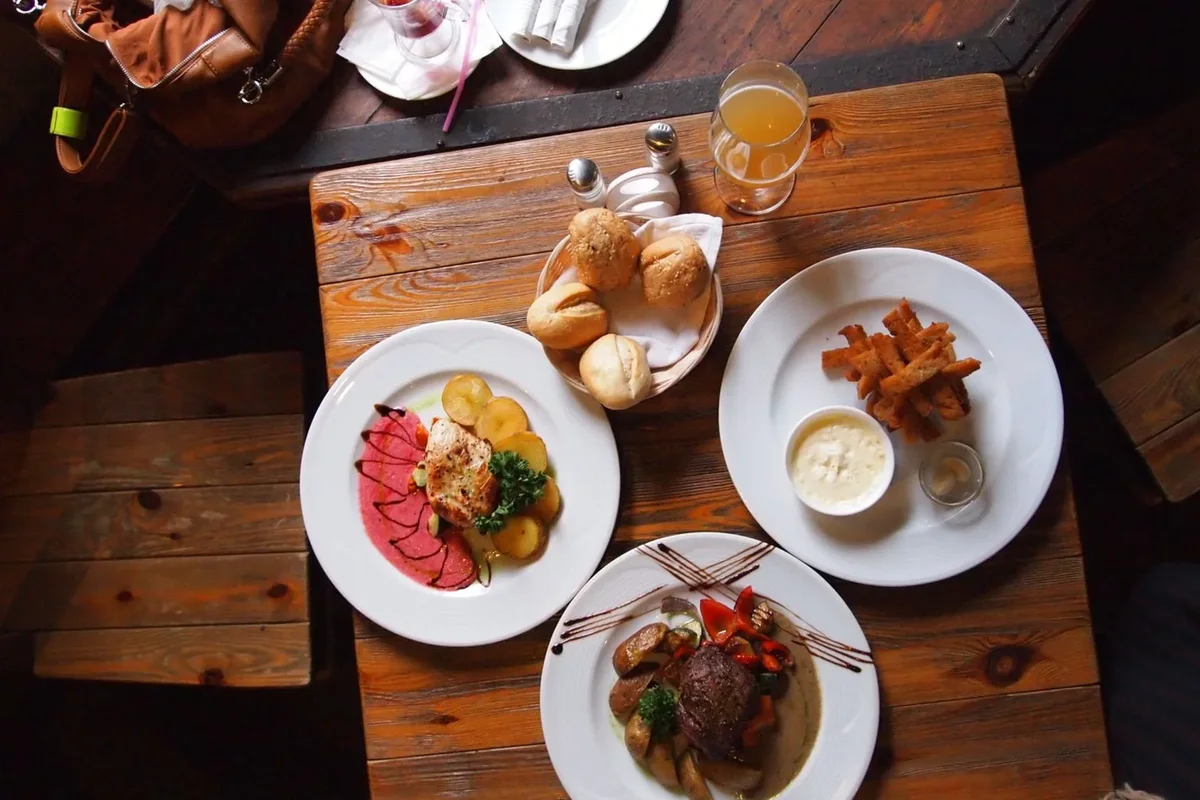
Proximity and accessibility for local businesses, distribution and points of purchase for packaged goods, and covered areas for delivery services are decisive. Creator selection is based on this actual reach area; visibility isn't turned into demand that cannot be serviced.
Should we choose a local or national influencer?
The service area and goal determine this. For a single or limited-branch establishment, local audiences and city context might be prioritized; for widely distributed packaged goods, creators covering different regions can be considered. If a large follower base doesn't align with the geography where the brand sells or serves, it can create inefficient demand.
Is a coupon code sufficient for sales measurement?
It may not be sufficient on its own. A code can show attributable orders; it might miss codeless purchases or be shared by others. Link tagging, platform data, sales periods, and operational notes should be read together; claims of direct causality should be limited.
Do you guarantee going viral or driving sales?
No. Many factors change the result, including distribution, creative quality, competition, price, stock, service, delivery, site experience, and platform systems. MyFenomen plans the goal, creator alignment, content, and operations; it does not provide absolute guarantees for viral spread, reservations, or sales.
Can working with competitor brands be restricted?
Yes, if there's a real need, exclusivity can be explicitly limited by category, competitor definition, duration, and region. Since a broad or long restriction can affect the creator's commercial opportunities, it can be priced separately. Instead of vague scopes like "not working with any brand in the food and beverage industry," concrete competitors and periods are written.
What information is needed for a food and beverage campaign proposal?
Brand and product definition, primary goal, target audience, sales or service region, campaign period, estimated creator and delivery scope, product logistics, usage rights, media needs if any, budget framework, mandatory or restricted statements, and measurement expectations are a sufficient start.
If the brief is incomplete, options can be separated during the discovery call. Exact candidates, fees, and timelines are not assumed without discussing availability, deliveries, and rights.
Did this page help you make a decision?
Your selection is only shown on this page; it is not sent to the server.
Sources and scope
Changeable commercial content, food claims, platform, copyright, and personal data information were checked on October 1, 2026. The sources support the general framework; the current text for the concrete product and campaign is evaluated separately.
- TR Ministry of Trade — Social Media Influencers Guidelines (Turkish)
- Legislation Information System — Law No. 6502 on Consumer Protection (Turkish)
- TR Ministry of Agriculture and Forestry — Nutrition and Health Claims Guidelines (Turkish)
- Instagram Help Center — Situations considered branded content
- Instagram Help Center — Avoiding copyright infringement
- Personal Data Protection Authority — Considerations when obtaining explicit consent (Turkish)
