

"Working with an influencer" is not a scope on its own. A creator posting a single piece of content on their own account, acting as a regular brand ambassador, producing content solely for brand channels, or earning commissions through sales all yield different incentives, rights, and operations. If the model is not set correctly, parties might use the same words but expect different outcomes.
Before you meet
- Define the primary goal and the actual question of the target audience you want to solve.
- Differentiate whether you want publishing, file delivery, or advertising usage.
- Share the planned period, category restrictions, and the teams making the decisions.
- If the budget is unknown, explain the order of priority and the indispensable deliverables.
Model selection is also not a one-time labeling exercise. If creator availability, product schedules, platform capabilities, or usage needs change, the scope is re-evaluated. However, instead of rebuilding the goal from scratch with every change, the reasoning behind the initial decision is preserved; the changing assumption, the deliverables it affects, and the new responsible party are clearly recorded.
This approach doesn't trap the creative idea in contract language. On the contrary, by making mandatory boundaries visible upfront, it leaves a clear space for the creator to solve. The brand knows which truth to protect, the creator knows which narrative is natural, and the approval meeting doesn't turn into a personal taste contest.
Who is collaboration model consulting suitable for?
This service is for brands that want to see which commercial structure suits their purpose before simply purchasing content. Explaining a new product and building long-term trust aren't managed with the same model. The decision is made by considering the goal, creator role, deliverables, rights, and measurement together, rather than leaving it solely to follower size or popular formats.
Teams building a structure for the first time
A common purchasing language is established for brands that want to work with creators but struggle to separate the pitch into publishing, content files, usage rights, revisions, and reporting.
Brands diversifying their models
For teams looking to transition from one-off sponsored posts to ambassadorship, UGC, affiliate, or event models, new responsibilities and current operational capacities are compared.
Those seeking guaranteed outcomes
Not suitable for campaigns requesting guaranteed sales, reach, or viral spread. The model makes impacts manageable; it doesn't guarantee platform distribution or consumer behavior.

Realistically assess readiness
Suitability isn't just a matter of budget. Product readiness, verifiable benefits, the accessibility of the approver, and a functional landing page affect model selection. Instead of launching simultaneously with numerous creators, an unready brand can start with a limited pilot or just content production.
Marketing, product, legal, e-commerce, and media responsibilities can be separated on the brand side. In small teams, they might all rest on one person. What's critical is that contradictory instructions aren't sent to the creator and the final decision-maker is known. MyFenomen clarifies this role map before quoting.
What is the scope of collaboration models service?
The scope establishes the working logic before asking "which influencer?". If the brand has an existing agency, media team, or an approved creator list, these assets can be preserved. MyFenomen's role is determined based on the required modules; research, outreach, contract coordination, content operations, and reporting are not automatically identical in scale for every project.
Goal and model architecture
The business goal, audience question, creator's role, and expected behavior are defined. Alternative models are compared with the same decision criteria.
Creator research
A candidate pool is built based on topic relevance, content quality, community context, brand safety, availability, and commercial terms.
Deliverables and rights plan
Publishing, file delivery, raw footage, editing, ad usage, duration, mediums, regions, and exclusivity are separated from one another.
Agreement and approvals
Compensation or product exchange, disclosure obligations, timeline, revisions, reshoot, and cancellation terms are documented in writing.
Operations
The brief, product logistics, production, drafts, consolidated feedback, publishing checks, and delivery records are managed in a centralized workflow.
Measurement and learning
Accessible data, period, and definitions are agreed upon initially; the outcome is evaluated along with the model's purpose and data limits.
Separate what's included from separate tasks
Studios, actors, advanced production, travel, event spaces, comprehensive legal opinions, paid media budgets, ad account management, or research panels are not automatically included in the core service. If needed, they are added to the quote as separate deliverables and responsibilities. This distinction prevents post-agreement needs from being treated as free revisions.
The brand provides accurate product information, necessary permissions, stock, page readiness, and timely consolidated feedback. The creator delivers the agreed-upon original content and disclosures. MyFenomen coordinates the decision flow and records. When roles aren't written down, the operational burden becomes invisible.

How do we build the right collaboration model?
The process first translates the goal into the role the creator will assume. If the purpose is awareness, publishing and storytelling power take precedence; if there is a content need, production competency and licensing are key; if it's sales-driven, tracking infrastructure and offer quality stand out. If there are multiple goals, the primary one and the limits within which others are evaluated must be stated.
The output of each stage is the input for the next decision. Candidate costs aren't compared before the model is chosen; content value isn't reduced to just a publishing fee without determining rights; reporting isn't promised before seeing data access. This order is maintained even in urgent projects. The timeline can shorten, but critical decisions are not silently skipped.
Discovery
The goal, audience, product truth, period, constraints, and internal stakeholders are gathered.
Model selection
The relationship between the creator's role, compensation, publishing, deliverables, and measurement is structured with alternatives.
Selection and agreement
Candidate alignment, availability, fees, rights, disclosures, and schedules are put into writing.
Execution
Briefs, logistics, production, feedback, approvals, and publishing are managed in a unified flow.
Evaluation
Data is collected with sources and periods; decisions to keep or change are separated.
Decision records ensure continuity
The answers to why a model was chosen, which assumption put a candidate on the list, what rights were included, and whose feedback became the final decision are kept in one place. Messaging channels can be used for exchanging information, but binding decisions aren't left in scattered chats. Thus, even if the team or creator changes, project context is never lost.
From need to learning
- Goal
- Model
- Execution
- Learning
The flow isn't a performance ratio, but shows the interdependence of decisions.
Which collaboration model is chosen based on the goal?
There is no single "best" model. The model is chosen based on whether you want to leverage the creator's community reach, production skills, long-term trust-building, or sales contribution. In some projects, two models can be used together; in this case, the compensation, rights, and measurement of each component are detailed separately.
| Model | Suitable case | Core compensation | Critical condition |
|---|---|---|---|
| Sponsored content | Communicating a specific message on the creator's channel within a defined publishing window | Agreed fee for production and publishing | Disclosures, creative space, publishing duration, and usage rights must be separated |
| Product seeding | Letting the creator experience the product; publishing obligation is negotiated separately if required | Free or discounted product/service; additional fee if applicable | Sending a product doesn't mean automatic positive review or unlimited usage rights |
| Affiliate marketing | Building trackable referrals and sales incentives | Commission based on a defined event; fixed fee for effort if needed | Attribution, returns, cancellations, duration, data access, and disclosures must be set |
| Brand ambassadorship | Consistently developing the message and category connection over a period | Package based on periodic deliverables, accessibility, and rights | Exclusivity, frequency, approvals, and exit conditions must be balanced |
| UGC / content production | Producing creative assets for brand channels without a publishing requirement on the creator's account | Production effort with licensing or ownership transfer terms | Medium, advertising, duration, region, editing, and raw file rights must be written |
| Events and experiences | Combining a launch, store visit, travel, or physical experience with content and participation | Based on participation, travel, production, and publishing scope | Logistics, image permissions, cancellations, and delivery expectations must be separated |
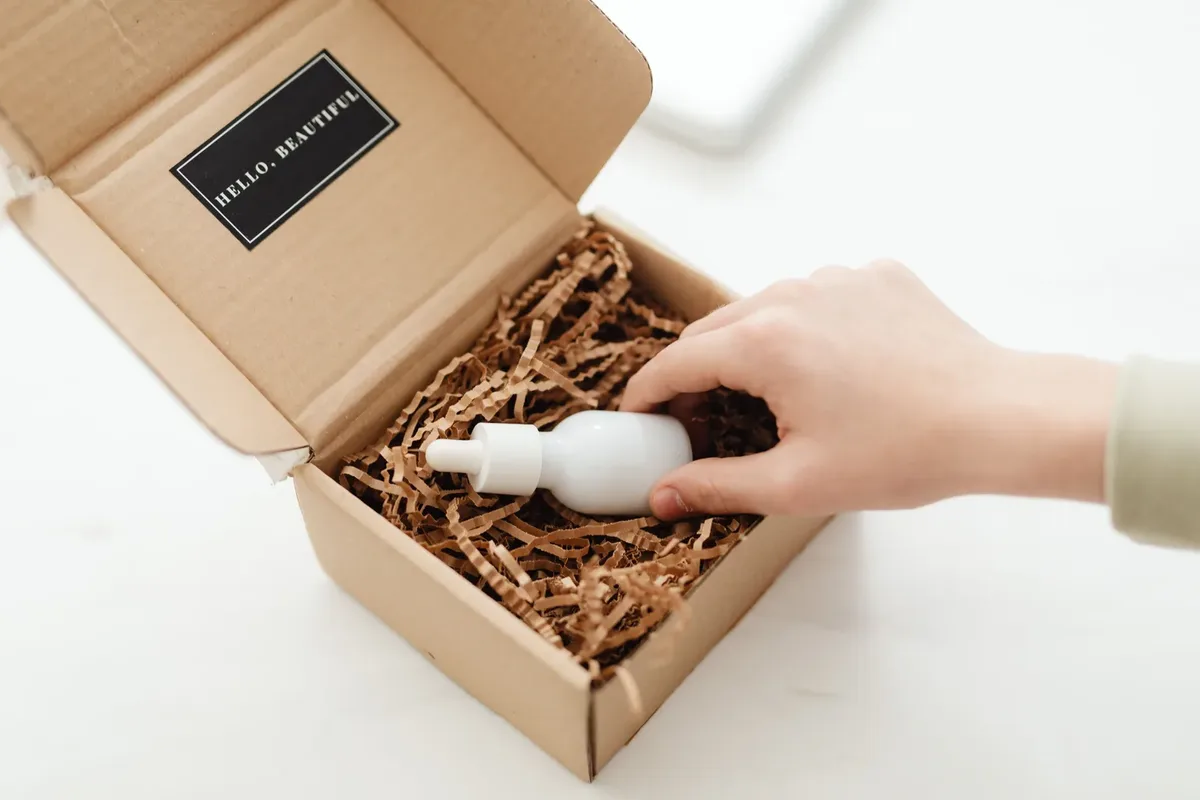
Product seeding is not buying a post
Delivering a product to a creator can be a starting point for an experience. If publishing is mandatory, the deliverables, date, creative framework, and compensation are explicitly agreed upon. If not, the brand shouldn't promise campaign results based solely on hoping for organic posts. In either case, commercial relationships or provided benefits are evaluated according to current disclosure rules.
If the product is expensive or limited, issues like ownership transfer, loaned usage, damage, return, shipping, and insurance are also part of the scope. Experience access, invitations, and discounts do not mean "no commercial relationship" just because there's no cash payment.
One-off sponsorship
Provides a fast and limited structure for a specific period, message, and deliverable. It can be used to gauge new creator alignment or support a campaign moment. A lasting trust relationship, long usage rights, or continuous availability do not automatically fall into this scope.
Long-term ambassadorship
Creates space for the creator to experience the product in recurring natural contexts and learn the brand's tone. In return, the schedule, category conflicts, exclusivity, content frequency, crisis management, and contract exit conditions are planned in greater detail.
Co-creation or collection development requires deeper contribution than a classic sponsorship. If the creator's name, design idea, curation, or community insights are integrated into the product, decision authority, intellectual property, production responsibility, quality control, stock, revenue sharing, and post-sales communication are explicitly defined. A project where the creator is just the promotional face is not labeled the same as one where they offer genuine creative input.
Social impact and cause partnerships are not just requests for visible support. The roles of the institution, brand, and creator; donation or resource flow; claims to be used; image and personal data permissions of beneficiaries; and post-campaign reporting are planned separately. Good intentions do not render accuracy and permission checks unnecessary. A mandatory narrative that contradicts the creator's personal values won't build a sustainable partnership either.
How are collaboration models executed?
Once the model is selected, the content format and distribution path are determined. The same sponsored relationship can be executed as a short video, story series, long video, live stream, blog post, podcast, or physical event. The format should support the evidence the target audience needs to understand the product and the creator's strongest storytelling method.
Publishing on the creator's channel
Community reach and the creator's ability to build context take center stage. Publishing date, retention duration, disclosures, tags, comment responsibilities, and in-platform partnership tools are determined. The brand cannot automatically reuse the organic post on other channels.
Content delivery for the brand
Publishing on the creator's account may not be mandatory. File specs, variations, raw footage, subtitles, editing rounds, and usage licenses are detailed. The production cost and media usage value are not considered the same line item.
Joint publishing or partnership ads
Platform-provided partnership or ad permissions can be used. Granting technical permissions does not replace contractual usage rights. The ad account, duration, targeting, media budget, and reporting owner are determined separately.
Live and physical experiences
Requires real-time storytelling, moderation, product stock, event flow, and contingency planning. The participation itself and the content to be produced later are separate deliverables; necessary permissions for other individuals captured on camera are evaluated.
One creative idea, multiple deliverables
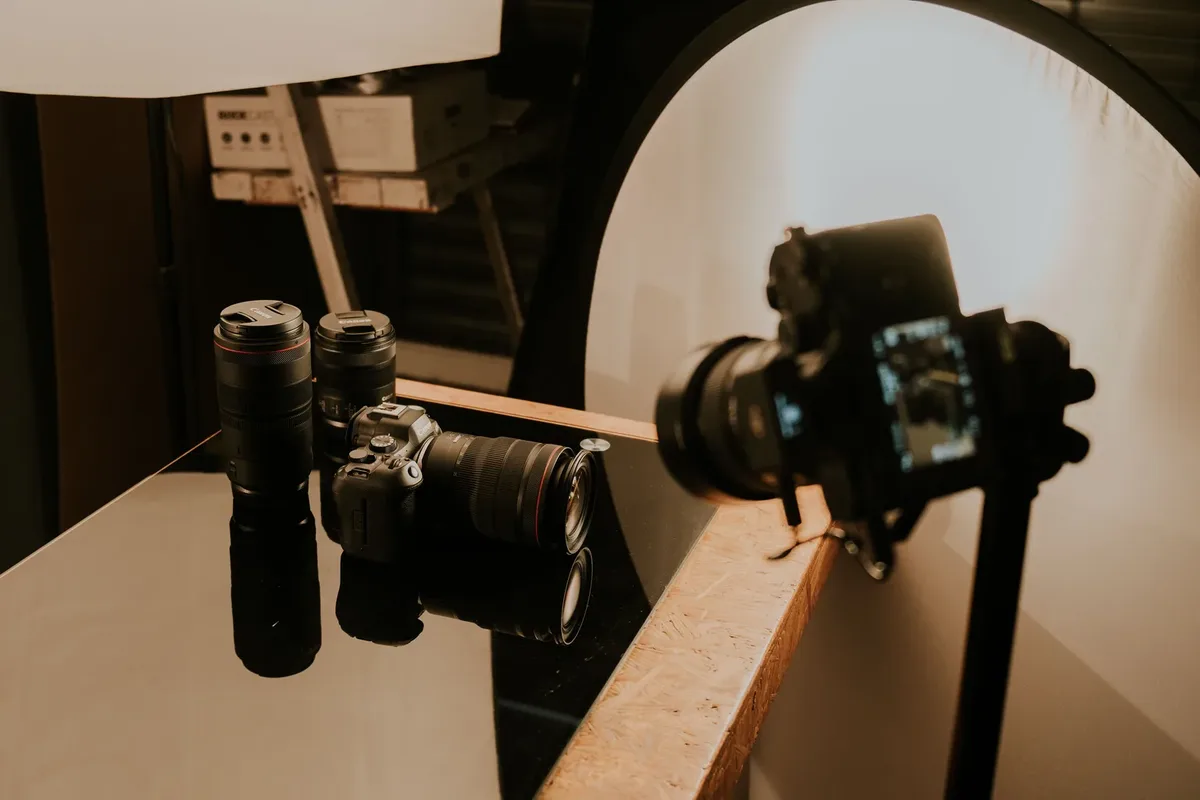
It might be possible to produce a vertical short video, cutdowns, cover images, or product photos from the main idea; however, each variation may require additional shooting, editing, and approval. It is not assumed that a single shoot will flawlessly adapt to every medium. Safe zones, subtitles, music, duration, and aspect ratios are checked according to the distribution channel.
While preserving the creator's natural storytelling, unverifiable claims, competitor comparisons, generalizing personal experiences, and mandatory category warnings are reviewed. Instead of imposing a word-for-word ad copy, the brief explains the facts that must be stated and the boundaries to avoid.
What factors determine the collaboration budget?
Pricing doesn't come solely from follower counts or the number of posts. The creator's effort, community reach, creative complexity, usage rights, category constraints, availability, production, and operational load are evaluated together. Providing a fixed package price without seeing these inputs makes the scopes incomparable.
| Item | Question to ask | What to keep separate |
|---|---|---|
| Production | How many original ideas, shoots, and file variations are needed? | Publishing reach and ad licensing |
| Publishing | On which account, in what format, and for what period? | Reuse by the brand |
| Rights | Where, for how long, and for what purpose will the content be used? | Ownership transfer vs. limited licensing |
| Performance | Which event, attribution, and verification rule is the commission tied to? | The creator's fixed production effort |
Balancing incentive and effort in the affiliate model
Affiliate marketing pays the creator a commission when a verifiable action occurs. However, tying product research, content production, and publishing efforts solely to uncertain outcomes isn't suitable for every creator or category. A fixed compensation can be established alongside a performance component; the exact ratio or amount is determined based on the actual scope and commercial terms.
For commission calculations; valid sales, cancellations and returns, coupon or link priority, attribution windows, payment periods, data access, and platform fees are clarified. The brand shouldn't definitively attribute sales that the tracking system cannot see to the creator; nor should the creator assume that coupon usage accounts for the campaign's entire impact.

How are contracts, ad disclosures, and usage rights managed?
Making a commercial relationship visible is not just an ethical choice; it is part of the operational plan concerning advertising regulations (such as the Turkish Advertising Board) and platform policies. Regulatory guidelines cover not just monetary gain, but also benefits like free or discounted goods and services; they require disclosures to be noticeable the first time a consumer encounters the post. Execution is checked against current guidelines based on the medium and category.
Pre-publishing compliance
- Commercial relationship
- Visible disclosure
- Claims and permissions
- Publishing record
Even if platform tags are used, local regulations and category rules are evaluated separately.
| Topic | Scope to be written | False assumption |
|---|---|---|
| Commercial disclosure | Visible phrasing to use, platform tool, placement, and checking owner | Thinking it's not an ad because the product was free |
| Usage license | Medium, purpose, duration, region, organic and paid usage | Assuming the publishing fee grants unlimited rights |
| Editing | Cutting, subtitles, translation, audio, logos, derivatives, and pre-approval limits | Assuming file delivery allows every modification |
| Exclusivity | Competitor definition, category, duration, region, and exceptions | Thinking the phrase 'don't work with competitors' is enough |

A platform tool does not replace a contract
Instagram requires the use of the paid partnership label for branded content involving an exchange of value; free or loaned products, as well as affiliate links, can fall into this scope. YouTube also views it as the responsibility of the creator and brand to disclose videos containing paid product placements, sponsorships, or endorsements, and to comply with local obligations.
A permission button on the platform can open the content to advertising; but it doesn't solve contractual conditions like fees, duration, regions, editing, and termination on its own. Similarly, having a contract between parties doesn't eliminate the need for visible disclosures to the consumer. Operational checks are not legal opinions; competent legal or compliance reviews may be requested for regulated projects.
How is every collaboration model measured?
Measurement isn't piling every accessible number into a single table. First, the question the model is expected to answer is selected; then the appropriate data source, period, definition, and comparison point for that question are determined. Sponsored posts might generate visibility and interest, UGC builds ad creative inventory, affiliate marketing reveals referral behavior, while ambassadorship provides consistency across periods.
Metrics are incomplete without a source, period, and definition
Creator screenshots, platform partner data, ad accounts, and web analytics are not the same measurement method. The report specifies who provided the data, the timeframe, and its definition. Inaccessible demographics or conversions are not filled in as if they exist; similarly-named metrics across different platforms are not treated as equal.
Google Analytics campaign parameters can help distinguish referring campaigns in reports. For this, source, medium, and campaign naming must be structured consistently. A UTM link supports click and subsequent measurable session tracking; it does not automatically prove offline impact or every action taken on another device.
From measurement to decision
- Goal question
- Data source
- Period and definition
- Next decision

Evaluation is not only done at the end of the campaign. Links and disclosures are checked upon publishing; unusual technical issues are flagged upon the first data intake; comparable periods and creative learnings are reviewed at closure. However, data isn't read prematurely to rush into declaring a failure. Meaningful observation times for each metric are determined in line with platform data processing times and the campaign's purchasing cycle.
Qualitative feedback also provides context. Recurring product questions, misunderstood features, or usage objections in the comments can improve the next brief. This observation isn't transformed into a claim that a few selected comments represent the entire audience. If personal messages are included in reports, unnecessary identifying information is stripped; the boundary between community response and marketing measurement is maintained.
How does model selection change by industry?
The same commercial model requires different proof, production, and compliance needs across categories. While usage demonstration is prominent in visual products, depth of explanation and verifiable information are more important for complex services. In regulated fields, permissible claims, warnings, target audience, and platform rules are checked before creative speed.
Separating experience from claim
Demonstrating texture, application, and routine might be suitable. A personal experience isn't translated into a general results guarantee; filters, before-after narratives, and product claims are checked against category rules.
Usage context and accuracy
Recipes, serving, tasting experiences, or venue visits can be used. Content is based on factual product info, without making health outcome or unsubstantiated superiority claims.
Demonstration and use case
Instead of feature lists, actual tasks and comparable usage contexts are chosen. Technical specs are verified by updated documents; loaned product and review conditions are disclosed.
Style, variation, and rights
Product visibility, sizing and color accuracy, season schedules, return logistics, and e-commerce or ad usage rights for the visual are planned together.
Process and trust
Rather than abstract promises, it is explained how the service works, who it is for, and its limits. Customer data or footage isn't used as content material without permission.
Pre-review
In sensitive areas like health and finance, platform policies and industry regulations are checked separately; competent legal and compliance opinions are obtained when necessary.

Creator alignment is not just an audience tag
Broad definitions like "women," "young," or "urban" alone do not ensure a match. The context in which the creator covers the topic, their ability to show the product naturally, the balance of past commercial content, the quality of comments, and associations the brand must avoid are examined. Inaccessible audience data is not presented as definite demographics.
An industry approach doesn't mean distributing the same text to different creators. While shared product truths are preserved, the creator's strong narrative structure and the community's real questions are utilized. This establishes a practical balance between brand consistency and preventing content from being identical copies.
Context in food and lifestyle
A narrative becomes clear when the product is placed in an actual moment of use rather than just appearing in the frame. The choice of recipe, prep, serving, or comparison must fit the product's nature and the creator's niche. A personal taste evaluation is not mixed up with nutrition or health claims.
In restaurant, travel, and event projects; invitations, transportation, accommodation, companions, image permissions, and cancellation conditions are written separately. Offering an experience for free doesn't negate the need to disclose the commercial relationship.
Common mistakes when setting a collaboration model
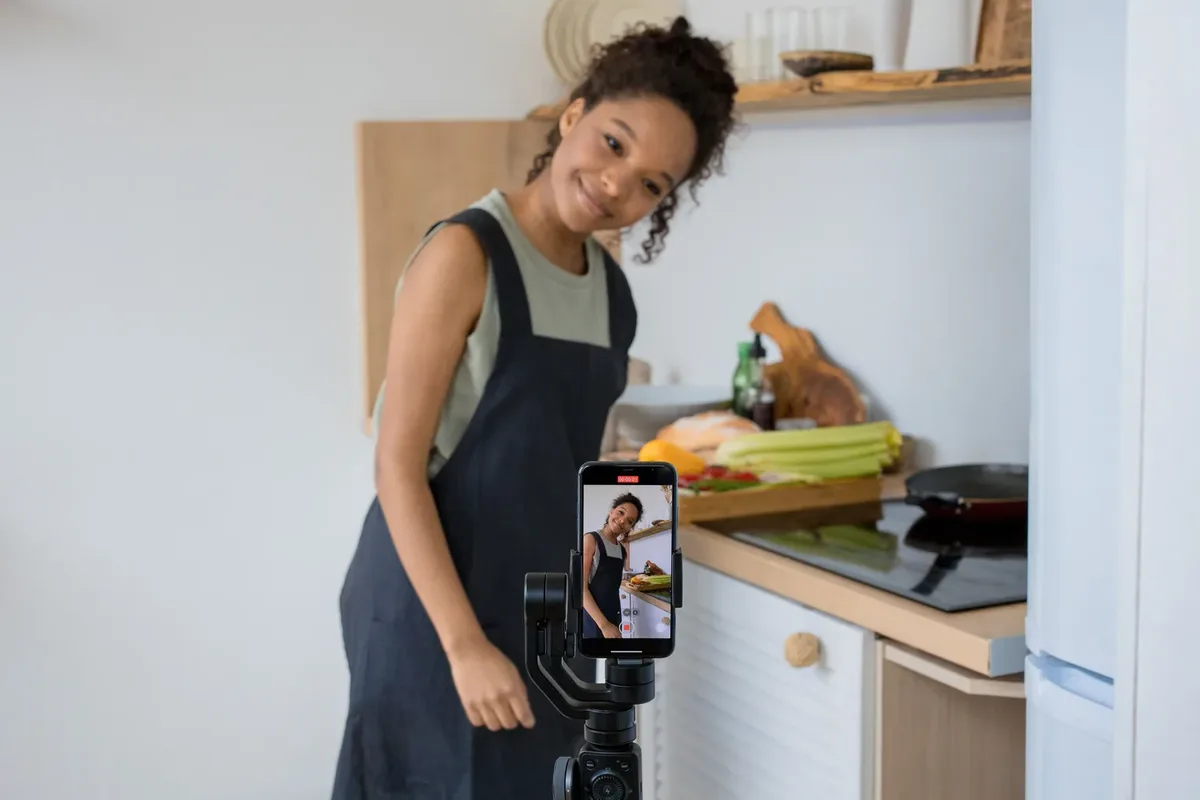
Most mistakes don't start in creative production, but in the misclassification of expectations. Assuming publishing fees include unlimited usage rights, expecting mandatory positive posts in exchange for product seeding, or assuming the affiliate model measures the entire sales impact creates trust and cost issues between parties.
- Model selection without a goal: Choosing ambassadorship or affiliate just because it's popular. The business task and primary measurement question the creator will solve must be written first.
- Making followers the only metric: Topic, narrative, safety, and production fit are overlooked. Candidates must be compared using a shared evaluation framework.
- Confusing rights with publishing: Assuming an organic post is available for brand ads. Every medium, purpose, duration, and editing right must be explicitly stated.
- Vague revisions: Expecting unlimited changes or rejecting necessary factual corrections. Revisions, reshoots, and scope changes must be separated upfront.
- Leaving disclosures to the end: Treating commercial labels as an add-on that ruins the creative. Visible disclosures should be included in the script and publishing check from the start.
- Reading data without context: Counting high views as success for every goal. Metrics must be evaluated alongside the source, period, and the model's purpose.

Speed does not mean a lack of control
In a short production timeline, it might be necessary to choose fewer candidates, clearer deliverables, and a single decision-maker. Skipping contracts, ad disclosures, or product accuracy for the sake of speed creates a risk that's more expensive to fix later. Conversely, rewriting every creative detail in numerous committees destroys the creator's natural storytelling.
The approach to revisions isn't about increasing the number of approvals, but separating the types of decisions: who owns product truth, who owns legal limits, who owns brand tone, and who owns the creative solution? Every comment comes from its owner, is consolidated by a single point of contact, and delivered to the creator as an actionable round.
What is checked before kickoff and publishing?
A checklist doesn't automatically mean the job is done; it ensures that the responsible parties ask the same questions at the right time. An owner and evidence are determined for each item. Evidence can be an approved brief, contract, product document, delivery link, platform permission, or a report record.
Pre-kickoff
- Are the primary goal and the target audience's actual question defined?
- Is it clear why the chosen model is more suitable than alternatives?
- Are publishing, file delivery, ad, and raw footage deliveries separated?
- Are the parties responsible for compensation, payment, taxes, and invoicing verified?
- Are usage rights, exclusivity, revision, and cancellation terms written down?
- Are product, stock, logistics, landing page, and measurement infrastructure ready?
- Are the final decision-makers on the brand and creator sides identified?
Pre-publishing and delivery
- Does the content align with the approved brief and accurate product information?
- Is the commercial relationship disclosed in a way that is noticeable at first glance?
- Was the platform's required partnership or paid promotion tool used?
- Do music, visual, personal, and location permissions fit the usage scope?
- Are the link, coupon, product, and landing page working?
- Are the ad permission's account, duration, and owner verified?
- Are the publishing link, delivery file, and data collection dates recorded?
A check without evidence is not complete
Verbal statements like "legal looked at it," "the influencer knows," or "the link is ready" are not operational records. It must be verified which version was approved, which link was tested, and where the ad disclosure will be seen. This approach prevents errors arising from wrong versions and scattered communication, rather than just auditing people.
Post-publishing, content accessibility, disclosures, tags, partnership links, and ad permissions (if any) are also checked. Deleted or modified content, expired permissions, and broken redirects are noted in the report. The delivery closure also includes payment, license start, and the data retrieval schedule.

Collaboration models glossary
Using the same word with different meanings during a quote discussion can lead to scope errors. The terms below are provided with their working meanings on this page; the specific definition in the contract must always be read separately.

Verify the scope, not the term
Brief expressions like "package," "full usage," "ad rights," or "barter" are not sufficient on their own. Every term is explained with concrete deliverables, duration, medium, responsible party, and compensation. If an English industry term is used in the quote, its practical equivalent explaining what the parties will do is also written.
The glossary does not replace a contract clause. A project-specific definition can be narrower or broader; what matters is maintaining the same meaning across the brief, quote, contract, and report.
- Sponsored content
- A project where the creator produces and publishes content about a brand or product in exchange for compensation or other commercial relationship.
- Product seeding
- Sending a product for experience, review, or potential content; publishing obligation only arises with explicit mutual agreement.
- Affiliate
- A performance marketing model that provides a commission for an outcome verified through a defined link, coupon, or event.
- Brand ambassador
- A model where the creator builds a recurring, more continuous relationship with the brand over a specific period and scope.
- UGC
- On this page, content produced by the creator mostly for the brand's channels, which may not require publishing on the creator's account.
- Organic post
- Content published on the creator's or brand's account without paid media distribution.
- Partnership ad
- Using creator-partnered content in paid distribution through the platform's permission and identity tools.
- Usage license
- A limited permission to use the content in specific mediums, purposes, durations, regions, and conditions.
- Raw file
- Video or audio material before the final edit; its delivery and usage are agreed upon separately.
- Exclusivity
- A condition that limits the creator's freedom to work with defined competitors in a specified timeframe, category, and region.
- Brief
- A document combining the goal, audience, product truth, mandatory information, creative space, delivery, schedule, and check boundaries.
- Revision
- A correction made within the agreed-upon idea and scope; it is not the same as a new idea or a reshoot.
- Attribution
- A reporting approach that determines how much credit to give to which touchpoint or channel for a measurable outcome.
- UTM
- A group of parameters added to a link to distinguish the referring source, medium, and campaign in the analytics tool.
- Whitelisting
- An industry term used for the authorization to run ads through the creator's identity or content; technical and contractual scope varies by platform.
A joint read before closing
It is beneficial for marketing, legal, procurement, and operations teams to read the same document with their own responsibilities in mind during the quote phase. Instead of reopening every creative decision, each team marks their concrete questions regarding goals, claims, rights, payment, and timelines. Consolidated feedback is delivered to the creator in a single flow.
This final read is not to generate new scope, but to spot open gaps. If a new need arises, its impact is evaluated along with delivery and budget.

Frequently asked questions about collaboration models
The answers provide a general planning framework. Platform features, category regulations, and contract terms may change over time or depending on the project; always check the current sources and concrete scope before execution.
What is an influencer collaboration model?
It is the operational framework between a brand and a creator that defines the goal, compensation, production and publishing deliverables, usage rights, responsibilities, and measurement. Sponsored posts, product seeding, affiliate marketing, ambassadorship, and UGC are not the same model.
The model doesn't just state the number of content pieces; it clarifies why the creator was chosen, what they will deliver, and where the brand can use the content. Thus, pricing and performance evaluation are based on a shared scope.
Which collaboration model is best for our brand?
The right model depends on the goal, the creator's role, desired distribution, usage rights, budget, and measurement infrastructure. Sponsored posts can be considered for awareness, ambassadorship for recurring trust, UGC for creative assets on brand channels, and affiliate for trackable sales incentives.
A model name alone isn't a decision. Product readiness, category restrictions, the team's approval capacity, and the expected shelf life of the content are also evaluated.
What is the difference between sponsored content and product seeding?
In sponsored content, production, publishing deliverables, and compensation are explicitly agreed upon. Product seeding is done so the creator can experience the product; an obligation to post only arises if explicitly agreed upon.
Free or discounted products must also be evaluated regarding commercial relationships and disclosure rules. Sending a product does not grant positive reviews, specific messaging, or unlimited usage rights.
Is barter collaboration suitable for every brand?
No. If the product's actual value to the creator is not balanced with the production effort, publishing reach, and requested rights, a product-only exchange might not be suitable. Additional compensation may be required, especially for complex shoots, broad licensing, or strict posting expectations.
The term 'barter' doesn't resolve the scope. Product ownership, delivery and return, posting obligations, disclosures, taxes, and usage rights must still be addressed in writing.
How does affiliate collaboration work?
The creator earns a commission for a verified outcome driven through a defined link, coupon, or trackable event. The definition of a valid sale, returns and cancellations, attribution window, payment period, and data access are determined upfront.
Affiliate doesn't mean every impact is perfectly measured. Production effort doesn't have to be tied solely to uncertain commissions; a fixed fee and a performance component can be designed together.
When should brand ambassadorship be preferred?
Ambassadorship can be considered if the goal is for the product to be experienced in different contexts over time, with recurring narratives and a lasting connection to the category. It requires a periodic relationship rather than a single campaign moment.
Delivery frequency, exclusivity, product access, approvals, ad usage, crisis management, and exit terms must be balanced. A long contract alone doesn't create a strong ambassadorship.

Are UGC and influencer posts the same thing?
No. In a UGC service, the creator mostly produces content for the brand's channels or ads; there might be no requirement to post it on their own account. In influencer posts, distribution to the creator's community is part of the deliverable.
Delivering a UGC file does not mean unlimited usage rights. Production, ad licensing, mediums, duration, editing, and raw files are agreed upon separately.
Can we turn the creator's post into an ad?
Yes, if you have the necessary platform permissions and contractual usage rights. The ad account, usage duration, mediums, regions, permissible edits to the content, and media budget must be explicitly defined.
A technical permission granted on the platform doesn't resolve the scope of the fee and license on its own. An organic post fee also doesn't automatically grant paid ad rights.
How many influencers should we work with?
There is no universal number. The goal, audience diversity, creative hypotheses, budget, product logistics, and the team's approval capacity are evaluated together.
Instead of many disconnected creators, testing different approaches with a manageable group can be more insightful. The exact candidate scope is recommended once the brief, availability, and commercial terms are reviewed.
Is follower count enough for selection?
No. Topic relevance, storytelling ability, content quality, community context, comment quality, brand safety, production capacity, and commercial terms are examined together.
Follower count can provide context about potential distribution; it doesn't guarantee future reach, sales outcomes, or brand fit. Inaccessible audience data is not filled in as absolute truth.
Can we approve the content before it goes live?
Yes, a draft and approval workflow can be defined in the scope. Checks focus on product accuracy, mandatory disclosures, brand safety, and brief boundaries.
Translating every word of the creator into corporate copy can weaken the natural narrative. The number of revisions, the feedback owner, response times, and reshoot conditions are written upfront.
Who owns the usage rights to the content?
The answer depends on the licensing or transfer terms in the contract; making a payment alone doesn't mean all rights transfer to the brand. Organic posts, brand accounts, web, e-commerce, and paid ads are different usage areas.
Mediums, purposes, duration, regions, editing, translation, subtitling, raw files, and third-party licensing conditions must be written explicitly.

Do not compare quotes solely by total price
Different deliverables can fall under the same model name. One quote might cover only the creator's organic post, while another includes creative development, file delivery, and ad licensing. The number of candidates, interview workload, revisions, data access, and reporting also change the operational value. The comparison chart must show whether each item is included, separate, or the brand's responsibility.
Ask about any ambiguous items before negotiating price. Particularly usage rights, reshoots, cancellations, exclusivity, and performance payment definitions should not be left to later assumptions. A clear scope does not reduce the parties' flexibility; it shows which change requires a new decision.
What does exclusivity mean?
Exclusivity limits the creator's freedom to work with specific competitors or categories within a defined scope. If the competitor list, category, duration, region, and existing relationships aren't clear, interpretations will differ.
Broad and lengthy restrictions can impact the creator's other revenue opportunities; therefore, it must be visible in the model and pricing evaluation. A vague 'don't work with competitors' clause is insufficient.
Is it necessary to use an ad label in collaborations?
If there is a commercial relationship or provided benefit, a visible disclosure is required in accordance with current regulations (such as those by the Turkish Advertising Board) and platform policies. Free or discounted products and services are also subject to evaluation.
The disclosure must be noticeable at the consumer's first encounter; it shouldn't be hidden among other tags. Local obligations are checked separately even if platform tools are used.
How long does it take to prepare a campaign?
The timeline varies based on brief preparation, number of candidates, creator availability, contracts, product logistics, shoot complexity, approvals, legal review, and the publishing window. It's not accurate to give a fixed number of days without this information.
When a target date is shared, a backward decision and delivery schedule is established. Rushed jobs may require narrowing the scope; critical disclosures and rights checks are never skipped.
How are influencer fees determined?
Fees vary based on creative effort, publishing value, content format, production complexity, usage rights, exclusivity, schedule, and operational conditions. A single cost-per-follower metric doesn't explain all projects.
When comparing, deliverables, rights, periods, mediums, revisions, and payment terms must be identical. Exact pricing isn't fabricated without discussing candidates and scope.
Do you guarantee sales or going viral?
No. Outcomes depend on many factors, including the creative, distribution, offer, price, stock, competition, web experience, platform systems, and consumer behavior.
MyFenomen manages the model, matching, operations, and measurement discipline. We explain which hypothesis is being tested and what will be kept or changed after seeing the data; we do not guarantee absolute sales, reach, or viral spread.
Good matching is two-sided
The brand doesn't just evaluate the creator; the creator also examines whether the product fits their niche, community, and values. Providing enough information, realistic deadlines, and creative space facilitates this evaluation. A candidate turning down a job isn't considered unprofessional; it can be an avoidance of a wrong match before production begins.
Post-selection communication doesn't turn into a one-way instruction list. The creator's product questions, potential objections from their community, and format suggestions can improve the brief. The ultimate product truth is verified by the brand; the creative solution is matured together with the creator within agreed limits.
What data is included in the reporting?
Depending on the scope and access, post links, platform distribution and engagement data, link clicks, coupon usage, ad data, and business events from a suitable analytics infrastructure can be addressed.
The source, period, and definition of every data point are stated. Inaccessible data isn't reported as if it exists; organic and paid results are not merged as a single success.
What information should we share to get a quote?
Brand and product description, primary goal, target audience, planned period, considered platforms, publishing or file needs, usage rights, budget framework if any, mandatory claims, and measurement expectations are a sufficient start.
It's not a problem if the model isn't clear yet. During the discovery call, alternatives, responsibilities, and scope differences are clarified; pricing is prepared based on actual deliverables and rights.
Did this page help you make a decision?
Your choice is shown only on this page; it is not sent to the server.
Sources and scope
Subject to change information regarding commercial disclosures, platform partnership tools, paid promotion, and campaign measurement was checked from primary sources on September 30, 2026. Sources support the general framework; they do not replace a concrete contract or category review.
- Turkish Advertising Board — Social Media Influencers Guide
- Instagram Help Centre — What is considered branded content
- Meta for Business — Reels and partnership ads
- YouTube Help — Sponsorships and ads in content
- YouTube Help — Branded content, sponsorships and endorsements
- Google Analytics Help — Campaign data with custom URLs
- Google Analytics Help — Attribution
