
A successful brand collaboration on YouTube requires more than just placing a product in a video. Viewers tune into a channel expecting a specific narrative style, expertise, and experience. If a brand message disrupts this context, it may be visible but will rarely be persuasive. Thus, the campaign plan first outlines what the video will provide the viewer, and then defines the genuine role the product will play within that narrative.
Before the meeting
- Although Shorts and long-form videos share the same platform, their viewing contexts and production decisions are distinct. A Short can quickly establish an idea, a product showcase, or a moment of discovery; a long-form video provides broader space for a detailed experience, comparison, and storytelling. One is not simply an automatic summary of the other. If both formats are used, each deliverable requires its own objective, call-to-action, approval criteria, and reporting scope.
- To get started, a summary of your product or service, target audience, primary communication goal, desired timeline, mandatory and restricted claims, logistics, and usage rights requirements are sufficient initial inputs. This page outlines the areas the procurement team will evaluate, from fitness decisions to budget factors, legal disclosures, and metric interpretation.
Translate goals into decision criteria
During planning, a request to "be on YouTube" is converted into a measurable objective. Demonstrating what a new product does, explaining a specific use case, leaving a long-lasting resource for search-driven viewers, or testing different creative narratives are distinct needs. Each may demand a different creator profile and video structure. Once the primary goal is documented, creative ideas can be evaluated against their ability to serve that objective, rather than being approved solely on aesthetic preference.
Examine the creator's context
Looking at a channel's past content during creator matching helps understand the context in which viewers will receive a sponsored narrative. Recent work with similar products, category overlaps, disclosure styles, audience questions in comments, and the creator's critical storytelling approach are all reviewed. This review does not mean accessing hidden performance data; the data requested from the candidate and the decisions it will inform are stated upfront. Brand safety checks are also conducted not to standardize the creator's personal views, but to evaluate open risks and campaign misalignment.
Who are YouTube and Shorts campaigns for?
Products requiring demonstration
For products needing installation, usage, comparison, or experiential context, video makes the process visible rather than merely stating a claim. The brief distinguishes between the feature to be shown and the conditions the creator can authentically experience.
Teams seeking format operations management
Multiple creators, long-form and Shorts deliverables, product logistics, approval cycles, and publishing schedules are tracked on a single operational chart. Instead of running separate and disjointed processes with each creator, the brand has shared decision milestones.
Plans expecting guaranteed views or sales
Organic distribution and viewer behavior cannot be guaranteed in advance. Inventory, pricing, offers, site experience, and media investment also influence commercial outcomes. The service manages the process and measurement; it does not promise specific results.
The best starting point is having a single decision-maker and the necessary subject matter experts defined on the brand side. The marketing team provides the objective and tone; the product team supplies verifiable features; the legal or compliance team outlines category-specific limitations; and the e-commerce team ensures tracking and measurement infrastructure. Consolidating all feedback into one point of contact prevents creators from receiving conflicting guidance.
Campaigns are particularly valuable in topic clusters driven by search intent. Viewer questions like "how to do it," "which one is right," or "how is the experience" can be answered through content. Conversely, if the goal is strictly short-term visibility, the roles of creator collaborations versus paid advertising should be distinctly weighed. If there is a possibility of converting creator content into an ad later, those rights must be negotiated upfront.
How is the service scope formulated?
Scope is not left as a one-line definition like "YouTube campaign." Which creator will deliver what in which format, how the product will be handled, draft and revision workflows, publishing periods, commercial disclosures, usage rights, and reporting inputs are all distinct items. MyFenomen builds the operational plan that connects these decisions.
Goal and messaging architecture
The primary goal, target audience, expected viewer behavior, and verifiable core messages are documented. Priorities are established rather than forcing every goal into a single video.
Creator research
Topic alignment, tone of voice, audience context, video proficiency, brand safety, availability, and commercial terms are examined. Candidacy is not based on subscriber count alone.
Brief and delivery plan
The role of long-form, integration, Shorts, or series content is defined, along with mandatory information, restricted claims, links, description sections, and delivery dates.
Agreement and contracting
Fees, payment, deliverables, revisions, broadcasting duration, usage rights, exclusivity, and cancellation terms are put into writing. Boundaries are materialized instead of relying on vague "all rights" phrasing.
Production and approval tracking
Product shipping, drafts, brand accuracy, and compliance checks are monitored. Approval is about assessing adherence to the agreement, not rewriting the creator's voice.
Publishing and reporting
Links, descriptions, and paid promotion disclosures are verified. Accessible data is collected with its definitions and timeframe, then interpreted against the objective.

Standard scope does not automatically include hiring production crews, studios, actors, travel, complex animations, foreign language adaptations, paid media, raw file delivery, or unlimited usage rights. If any of these are needed, they are presented as separate line items and responsibilities in the proposal. The creator's natural production process and a custom-built set for the brand do not share the same cost structure.
The brand provides accurate product information, required permissions, logistical inputs, and consolidated feedback on time. The creator fulfills the agreed-upon content and platform disclosures. MyFenomen coordinates the operation and maintains records. When category-specific legal opinions are required, they must be finalized by the brand's authorized experts.
Revision scope is written just as concretely as the deliverable itself. Factual errors, omitted mandatory details, and off-brief deliverables may qualify for corrections; however, altering the campaign goal, core message, or product after filming has wrapped creates new work. Brand feedback is delivered with timecodes, rationale, and accurate information. Instead of subjective notes like "make it punchier," the unmet decision criteria is specified. This method preserves the creative space while helping the creator understand exactly what needs fixing. If there are multiple products in the content, which one takes the main role and which is supporting must be clarified; rather than squeezing every feature into the same video, a narrative sequence that viewers can easily follow is established.
How we work
Our process is built on making decisions in the right order. First, the objective and audience are clarified; then, creators, formats, and rights are selected. This ensures candidate lists aren't based on foundational assumptions that will change later.
-
Discovery and goals
Brand needs, the product, audience, timing, and the definition of success are discussed. The output is an initial brief outlining the primary goal, out-of-scope items, and stakeholders.
-
Scope and design
The roles of long-form videos and Shorts, creator profiles, deliverables, logistics, rights, and measurement plans are translated into options. The brand selects the viable scope.
-
Selection and agreement
Candidates are evaluated; fit, availability, and commercial terms are verified. After the final selection, the brief and contract serve as reference documents for all parties.
-
Production and approval
Product delivery, shooting, draft, and feedback dates are tracked. Reviews focus on factual accuracy, scope adherence, disclosures, and brand safety.
-
Launch, measurement, and wrap-up
Live links and mandatory disclosures are verified. Accessible platform data is gathered over the defined period; findings and future test recommendations are reported.
A daily point of contact is assigned on the brand side; creative, product, and legal comments are consolidated into a single response through this person. Timing is structured around the creator's schedule, product delivery, production complexity, and approval bandwidth. Fixed delivery times are never promised before the actual scope is visible.
For process visibility, each deliverable's status is maintained in a shared tracking plan: in talks, in agreement, awaiting product, in production, in brand review, in revision, or live. Status names indicate operational stages, not performance evaluations. When a deliverable is delayed, we don't just update the date; the dependency—such as product, feedback, creator availability, or technical issues—is also logged. If changes in the publishing schedule affect inventory, campaign pages, or media plans, the relevant brand teams are notified immediately. The creator's approved content file, description copy, and link are paired in the same delivery record, mitigating the risk of publishing the wrong version.
YouTube campaign types
| Campaign type | When is it suitable? | Typical output | Key decision |
|---|---|---|---|
| Integrated narrative | If the product is a natural part of the video's main topic | A designated segment within a longer video | Placement of the integration and creative transition |
| Dedicated brand video | If the entire topic is built around the product or experience | A long-form video dedicated entirely to the brand | Balancing editorial trust with message density |
| Shorts series | If different use cases of a single idea will be showcased | Multiple short vertical videos | The independent value of each video |
| Launch wave | If announcements require multiple creators in a short window | Coordinated publishing schedule | Message consistency and publishing frequency |
| Long-term ambassadorship | If the product experience evolves over time | Content spread across different periods | Frequency, exclusivity, and the learning loop |
The campaign type is selected based on the context the viewer needs to understand the product. If a single feature can be explained through a quick demonstration, a dedicated long-form video might be unnecessary. Conversely, a complex product, service, or decision process may remain superficial in a few-second clip. The objective is defined first; duration follows.
Integrated narrative: an authentic role within the channel's topic
In an integration, the product is naturally woven into a subject the creator is already covering. This could be a workflow tool on a tech channel, a prep ingredient on a food channel, or a genuine route requirement on a travel channel. Rather than making creators memorize scripted lines, the brief clarifies which details must be validated and which claims to avoid.
Dedicated video: broader space for detail
When the product or service is the video's primary subject, it must offer sufficient editorial value to the viewer. Merely reading a brochure undermines the creator's authority. Experiential conditions, comparison boundaries, and sponsored relationships must be explicit. The brand should allow the talking points to rely on authentic usage results.
Shorts series: separating ideas, not just splitting a video
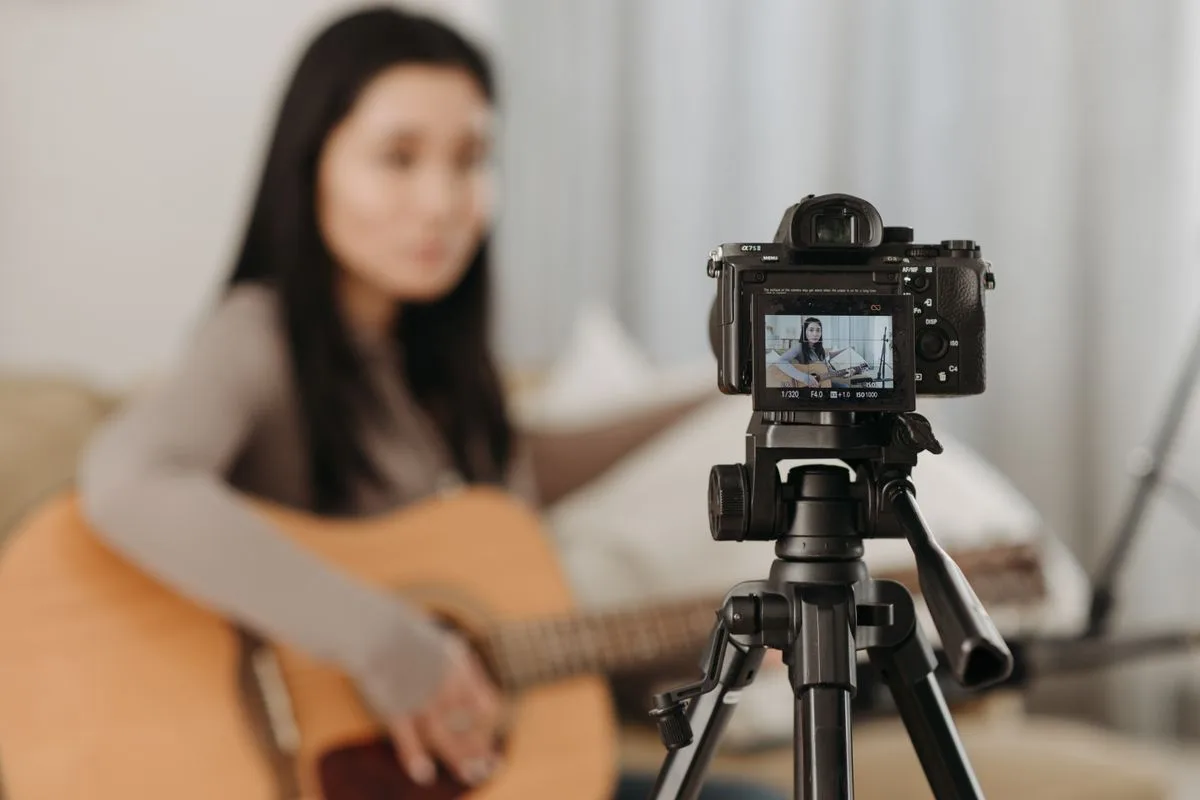
In a series plan, each Short features its own hook, demonstration, and closing. Simply cutting random snippets from a long-form video rarely fits the vertical viewing experience. One video might highlight a problem, another the usage steps, and a third an FAQ. The series identity is preserved without repeating the same script.
Launches and ambassadorships: separating volume from duration
A launch wave aims to reach diverse audiences in a short period; an ambassadorship focuses on conveying a trusted experience over time. The former demands heavier coordination and inventory preparation, while the latter relies on consistent product experience and clear exclusivity boundaries. The two approaches don't have to share the same number of creators or content calendar.
During selection, the complexity of the brand message, product trial time, search lifespan, creative diversity, and usage rights requirements are evaluated together. Types can be combined in a single campaign: a long-form anchor video, standalone Shorts, and content adapted for the brand's own channel under specific rights. The delivery and measurement definition for each piece remains distinct.
Video formats and roles
We choose a format not because it is trending on the platform, but for the information it must convey and the behavior the campaign expects. According to YouTube Help, eligible square or vertical videos up to three minutes can be classified as Shorts; however, this technical upper limit does not mean every narrative must stretch to fill it.
Long-form video integration
Establishes the product's role within a specific segment of a broader topic. Since the viewer selected the main video for that topic, the transition must be transparent and meaningful. The approximate placement of the integration, minimum talking points, description link, and visible disclosure are planned out; the rest of the creator's narrative is not overwritten with brand copy.
Dedicated long-form video
Ideal for deep-dive content such as installations, experiments, tutorials, or detailed reviews. While the title and thumbnail reflect the creator's style, they carry no false or unsubstantiated claims. The roles of surfaces like chapters, descriptions, and pinned comments can be predefined.
Standalone Shorts
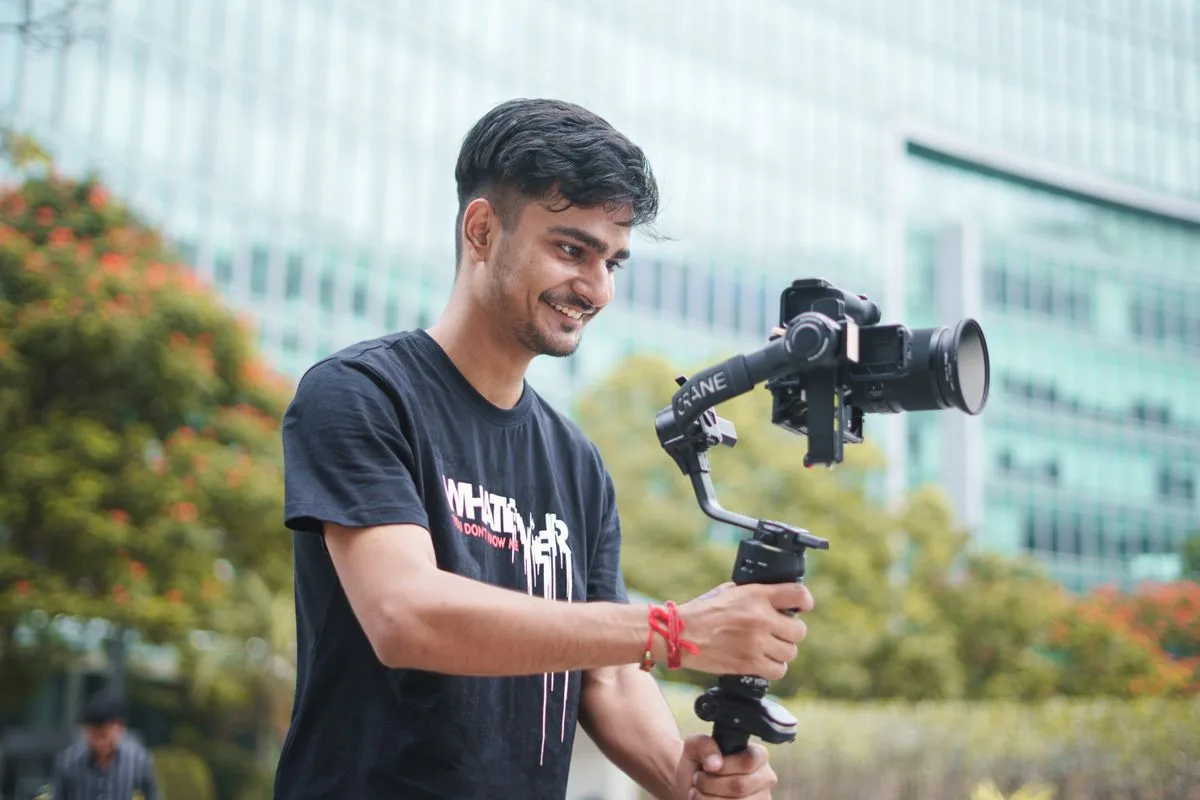
Communicates a single usage moment, problem, or strong visual proof swiftly and independently. Context must be established in the first few seconds; on-screen text must be legible on small devices; and product demonstration must be backed by actual footage rather than mere promises. A Short does not have to act as a promotional trailer for a long-form video.
Shorts series
Breaks a topic down into distinct questions and provides a creative testing ground. While the videos share the same campaign identity, each holds independent replay value. Release order, product availability, and responses to potential misunderstandings in the comments are planned.
| Format | Strongest for | Condition of use | Typical execution |
|---|---|---|---|
| Long integration | Promotion in context | Natural alignment with channel topic | Sponsored segment in a video |
| Dedicated long video | Deep explanation and search value | Sufficient editorial depth | Tutorial, experience, comparison |
| Standalone Shorts | Rapid display and discovery | One clear idea | Problem-solution or product moment |
| Shorts series | Different angles and learning | Non-repetitive topic breakdown | Tips, usage, Q&A |
When formats are used together, a message map is built to avoid content redundancy. A long-form video carries context and proof, while a Short might drill down into a specific question or usage scenario. Titles, descriptions, links, and calls to action are written to suit each format's behavior; the exact same copy is not pasted across all surfaces.
Technical delivery details influence creative decisions. In vertical shoots, safe text zones, subtitle legibility, and areas obstructed by the UI are considered. In long-form, audio quality, chapter flow, clear product visibility, and accurate description links are reviewed. If a separate edit is required for the brand's own channel, resolution, duration, music, and graphic requirements are outlined early. The creator's channel version and the ad version do not have to be the same file; the production and rights scope for both must be visible in the proposal.
What factors determine the budget?
There is no single verifiable market price for YouTube and Shorts campaigns. A creator's commercial terms, channel and topic alignment, delivery formats, production overhead, usage rights, and timing will all alter a proposal. Therefore, pricing is not calculated by simply applying a fixed multiplier to subscriber counts.
| Factor | What does it change? | Required info for a quote |
|---|---|---|
| Creator and channel | Commercial fee, reach context, and alignment | Audience, topic, and creator priorities |
| Format and volume | Scripting, filming, editing, and publishing load | Long-form/Shorts deliverable list |
| Production | Equipment, location, crew, and post-production | Expected visual quality and special needs |
| Usage rights | Where and how long the brand can reuse content | Platform, duration, region, ads, and editing |
| Exclusivity | Limits on the creator working with competitors | Category and duration |
| Timeline | Availability, logistics, and rush needs | Target live date and product readiness |
If the budget is constrained, priorities should be set based on the primary goal rather than shrinking every line item uniformly. A smaller number of highly aligned creators, a single anchor format, or narrower usage rights could be considered. Production fees are distinct from paid media budgets; even if content is published organically, leveraging it for ads later requires predefined permissions and technical conditions.
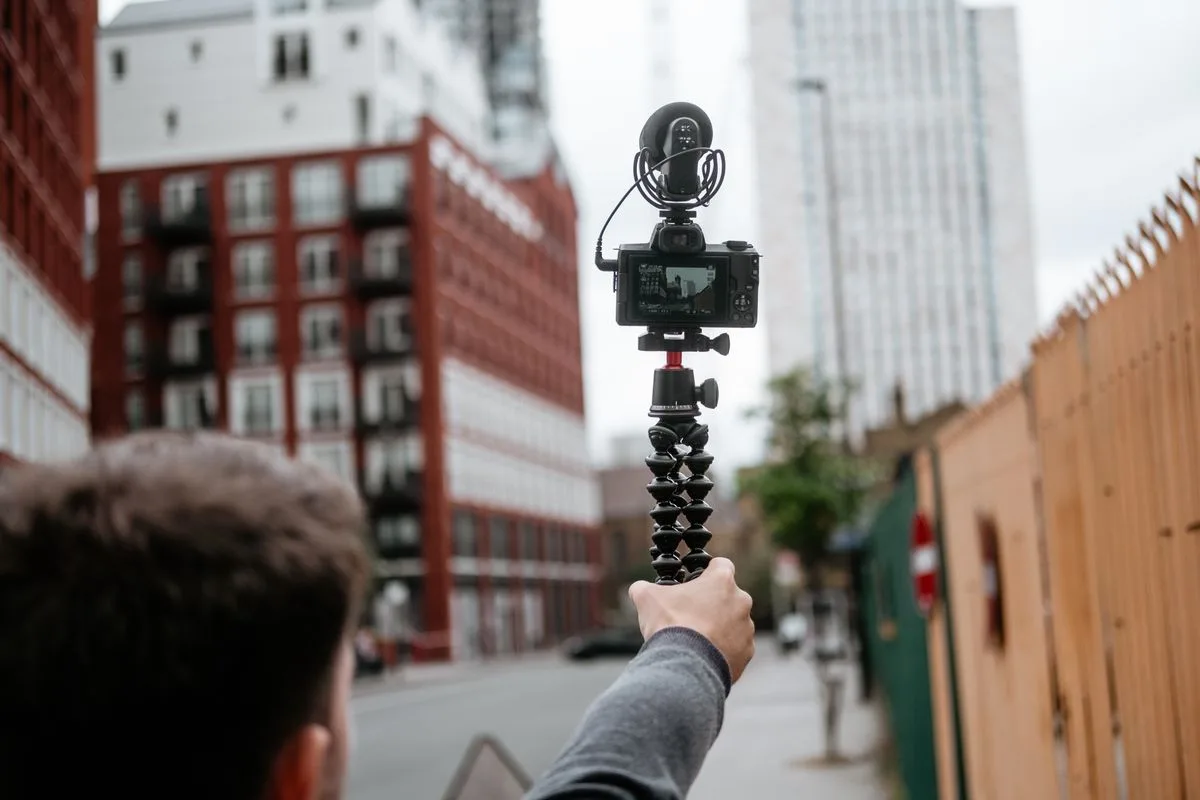
When comparing proposals, look beyond the bottom line; verify which deliverables, rights, revisions, and services are included. Raw files, alternative cuts, subtitle languages, vertical adaptations, or extra posts are not automatically covered. Scope changes are reflected in the budget and timeline via written approval.
Budget alternatives should approach the same goal through different avenues. One option might lean heavily on a deep-dive long-form video with fewer creators, while another focuses on a broad Shorts series leveraging diverse creative styles. What is excluded is documented just as clearly as what is delivered, preventing a low-budget option from creating the illusion that it carries the same weight. The status of taxes, shipping, product returns, travel, and third-party production expenses is explicitly stated in the proposal. This ensures procurement evaluations aren't based on an incomplete total that ignores inevitable downstream costs.
Contracts, ad disclosures, and compliance
For content produced in exchange for payment or other benefits, platform disclosures and Turkish commercial advertising disclosures are separate compliance checkpoints. YouTube requires creators to check the paid promotion box in video details for content containing paid product placements, sponsorships, or commercial relationships. The scope of local obligations must be evaluated independently.
| Decision area | Written scope | Checkpoint |
|---|---|---|
| Commercial disclosure | Platform notification and visible statement plan | Creator and brand prior to launch |
| Content claims | Verifiable information and restricted phrases | Product/compliance lead |
| Copyright and music | Visuals, audio, music, and third-party rights | Prior to production and usage |
| Usage rights | Platform, duration, region, ads, and editing limits | Contract and file delivery |
| Made for Kids content | Targeting and category-specific platform rules | Brief and publishing settings |
| Termination and crisis | Cancellation, takedowns, corrections, and liability | Prior to agreement |
The Turkish Advertising Board (Reklam Kurulu) guidelines treat posts made in exchange for benefits like free or discounted goods and services as commercial relationships, alongside monetary compensation. Disclosures must be planned so consumers recognize them at first glance. Toggling the platform's automated notification does not automatically clear all local regulatory responsibilities.
Music and visual licenses may differ between organic publishing and ad usage. An audio track a creator is permitted to use within the platform may not automatically grant the brand permission to run that video on a different channel or in paid media. MyFenomen provides operational oversight; this page does not constitute legal advice. For regulated industries, brands must consult their authorized legal and compliance teams.
If a claim is found to be false or becomes outdated, a pathway for correction must be predefined in the contract. Updating the description, pinning a comment, editing the video, or taking it down yield different impacts; the decision is made with authorized parties based on the severity of the issue. If real individuals, private locations, or third-party products appear in the content, necessary appearance and location releases are assessed separately. The creator's right to manage their own channel is balanced against the brand's reputation and compliance needs through explicit crisis and termination clauses. For content made for kids or featuring children, platform settings and category rules are reviewed separately from general campaign controls.
Measurement and reporting
Reporting is established before the campaign begins by determining the primary goal, data source, measurement period, and comparison context. YouTube Studio provides performance data at the channel and video levels; however, some audience, traffic, or geographic data may be limited. The brand only includes accessible and mutually agreed-upon data in the report.
For Shorts, YouTube's ratio of "viewed versus swiped away" can help interpret the impact of the opening on the viewing decision. In long-form videos, watch time and retention curves at specific moments provide a more meaningful context. The metrics for different formats are not weighed equally; view definitions and distribution surfaces can differ.
Representative evaluation example
In a representative scenario, a Short might receive high views but low link action, while a long-form video might be viewed less but generate qualified questions and longer watch times. This does not automatically mean one format won. If the campaign aims for awareness, distribution is prioritized; for consideration, viewing quality and comment content; for action, properly structured link data. This example is not an absolute customer outcome.
Rather than just listing good-looking numbers, the report separates findings that drive decisions. Questions like which topic opening retained viewership, which creator's audience generated the most product questions, which link produced identifiable traffic, and which claim was misunderstood feed the next campaign's design. Organic viewing and paid distribution (if any) are shown separately. If creators' data is pulled on different dates, they are not ranked without equalizing the periods. General market conclusions are not drawn from small samples; data boundaries are explicitly stated in the report. The meaning of comments can also be analyzed by recurring question and objection themes, rather than just volume.
Campaign approaches by industry
Creator selection and the video concept change based on the industry's decision cycle, demonstrable benefits, regulatory limits, and the product's usage conditions. The same format label does not require the same content design across all categories.
Technology and electronics
Installation, actual usage, compatibility, and comparison criteria are crucial. Technical claims are verified with sources; sample usage is not confused with laboratory results.
Beauty and personal care
Application techniques and experience conditions can be demonstrated. Health claims, guaranteed results, and the limits of filters or image editing are checked by a category expert.
Gaming and entertainment
The gameplay context, community language, and broadcasting rights are decisive. The sponsorship message is integrated without interrupting the core experience; age appropriateness is also evaluated.
Finance and digital services
Complex benefits are explained through clear scenarios. Investment, earning, or savings claims carry high risk; legal disclaimers undergo expert review by the brand.
Food and retail
Preparation, taste experience, availability, and campaign periods take the spotlight. Stock, price, and discount information are verified on the publication date; health claims are handled carefully.
Travel and lifestyle
Real locations and experiences are the center of the narrative. Transportation, filming permits, weather conditions, service availability, and any required hospitality disclosures are planned.
The industry approach isn't just about choosing a creative idea. Sending samples, product safety, filming permits, current pricing, stock, campaign conditions, and category-specific disclosures are all part of the operation. Unknowns in the brief are not written as established facts; they are resolved by the responsible brand unit prior to publication.
In service sectors, a process, screen flow, expert opinion, or usage scenario can be established instead of a physical product. Confidential customer data, personal information, and internal screens are cleared before filming. In B2B solutions, the purchasing decision is recognized to span multiple roles; while Shorts might highlight the initial problem, a long-form video can explain the implementation details. For local businesses, service area and capacity take precedence over national reach assumptions. In every sector, the validity of the creative idea is tested against the actual experience the product can provide.
Common mistakes
Most problems in video campaigns stem from incomplete decisions made before filming. The following errors can be mitigated by documenting scope and responsibilities.
- Using subscriber count as the sole metric: Channel topic, current viewer behavior, narrative quality, and brand alignment remain hidden. Candidates are evaluated with qualitative and quantitative context.
- Mechanically cropping long videos into Shorts: Vertical framing, independent hooks, and small-screen legibility are lost. Each deliverable is designed for its own viewing environment.
- Turning the brief into a memorized script: The creator's trusted voice is erased. Mandatory facts and creative narrative space are separated.
- Requesting usage rights after publication: Budget and permissions become ambiguous. Platform, duration, region, ad, and editing rights are written into the contract upfront.
- Assuming a platform notification fulfills all legal requirements: The YouTube tool and local ad disclosures are checked separately.
- Comparing formats with a single metric: Shorts views and long-form watch depth should not be compared without context.
First, ambiguities in goals, deliverables, and rights must be corrected. Running long revision cycles on visual details while these fundamentals are unclear will not solve the underlying issue.
Another mistake is closing the campaign immediately after publication. Long-form videos can continue to be watched over time through search and suggested content surfaces; the reporting moment should be chosen according to the goal. Conversely, a price or launch message can quickly become outdated. Therefore, the video's lifespan and the measurement period are not the same thing. At wrap-up, how long the content will remain live, link management, the expiration of usage rights, and the pathway for future corrections are recorded.
Campaign checklist
This list does not replace the proposal and brief; it highlights missing decisions at two critical moments. It is expanded in every campaign according to product and industry conditions.
Pre-kickoff
- Are the primary goal, target audience, and expected viewer behavior defined in a single sentence?
- Are the distinct roles and delivery quantities for long-form video and Shorts written down?
- Are verifiable product details, claims to avoid, and category approvals determined?
- Are product shipping, shooting conditions, decision-makers, and approval schedules clear?
- Are usage rights, exclusivity, paid media, and raw file requirements explicit?
- Are the measurement source, data sharing, and reporting period agreed upon?
Pre-publication and delivery
- Do the video, title, thumbnail, description, and links align with the agreement?
- Are the YouTube paid promotion notification and necessary visible commercial disclosures complete?
- Are usage permissions for music, images, logos, and third-party content appropriate?
- Are price, stock, date, and campaign conditions current for the time of publication?
- Are tracking links and reporting data surfaces functional?
- Are the live link, correction process, and data delivery owners clear?
If a missing item affects filming or publication, a responsible person and a deadline are assigned. A "we'll look at it later" note does not count as approval. A publication decision is not made until critical product accuracy, rights, or disclosure gaps are closed.
The checklist also protects the boundaries of approval. Changing a previously accepted creative approach at the last minute during the brand review can lead to reshoots and schedule slips. It is determined whether the new request is a factual correction, an in-contract revision, or out-of-scope work. Publication approval is recorded with the date and the approver's name, preventing decisions from being based on different versions of the same file.
YouTube campaign glossary
These definitions are provided to prevent the same concept from being used with different meanings in the proposal, brief, and report. Since names in the platform interface may change over time, the current account view is also checked.
In particular, words like "views," "reach," "watch," and "engagement" may not mean the same thing across different tools. The report retains the platform's metric name and notes the calculation method if necessary. If the agency, creator, and brand share different screenshots from their respective dashboards, the date range and content scope are equalized. Thus, the glossary serves as a common reference not only for unified language but also for data comparability.
| Term | Description |
|---|---|
| Shorts | YouTube's short, square, or vertical video surface; under current eligibility rules, it can cover videos up to three minutes long. |
| Integration | The brand's product being covered with natural context in a specific segment of a creator's broader video. |
| Dedicated video | A deliverable where the entire video topic is built around the brand, product, service, or related experience. |
| Paid promotion notification | The platform setting used by the creator to notify YouTube that a commercial relationship exists in the video. |
| Views | The number showing the video was watched under the platform's valid definition; reported with format and period context. |
| Watch time | The total time viewers spent on the video; helps evaluate not just the opening but the continuation of the narrative. |
| Retention | A report showing the rate at which viewers continue to watch at different moments in the video. |
| Shown in feed | A platform metric indicating how many times a Short was presented to viewers in the Shorts Feed. |
| Viewed vs. swiped away | A metric showing the ratio between those who watched the video and those who swiped past it on Shorts. |
| Traffic source | Which surface the viewer arrived from, such as the Shorts feed, search, suggested videos, or external links. |
| Usage rights | Permission defining in which medium, duration, region, and purpose the brand can reuse the content. |
| Exclusivity | A contract clause restricting the creator from working with competitors in a specific category and duration. |
| Raw file | Pre-edit video and audio recordings; not automatically included in the final video delivery. |
| Attribution | Establishing a relationship between a view or click and a subsequent action, using a defined method and time window. |
| Content ID | YouTube's copyright management system helping identify content that matches references uploaded by rights holders. |
| Brief | A working document bringing together goals, audience, messages, deliverables, boundaries, disclosures, schedule, and measurement decisions. |
Frequently asked questions
What is a YouTube influencer campaign?
A YouTube influencer campaign is a collaboration between a brand and YouTube content creators based on an agreed-upon goal, deliverables, commercial terms, publication, disclosures, and measurement plan. It can involve integrations, dedicated videos, Shorts, or a combination. Creator selection relies on topic and audience alignment, not just channel size.
What is the difference between a Shorts campaign and a long-form video campaign?
Shorts quickly establish a single idea within a short, vertical viewing context; long-form videos provide more space for detailed experiences, guides, or comparisons. Production framing, hooks, link placements, and performance interpretations differ. Single or combined formats are chosen based on the goal.
How long can YouTube Shorts be?
According to YouTube's current help pages, eligible square or vertical videos up to three minutes can be classified as Shorts. Conditions like upload date, channel type, and copyright status can affect the specifics; current platform rules are verified before production.
How many YouTubers are needed for a campaign?
There is no universal number. The goal, topic diversity, audience overlap, budget, delivery volume, and campaign period are evaluated together. A few strong matches might suffice for some needs, while multiple creators might be necessary to showcase different use cases.
Is subscriber count enough for creator selection?
No. Channel topic alignment, current video performance context, viewer language, content quality, brand safety, format proficiency, availability, and commercial terms are also examined. Subscriber count alone guarantees neither future views nor commercial results.
Do you guarantee sales or views?
No. Organic distribution, viewer preference, product offer, price, stock, site experience, and external market conditions all affect the outcome. MyFenomen manages the scope, operation, and reporting of accessible data; it does not promise guaranteed sales, views, or subscriber growth.
Can we review the content before publication?
Yes, an approval workflow can be defined in the proposal and brief. The review focuses on correct product information, mandatory disclosures, agreed-upon deliverables, and brand safety. Rather than turning the creator's entire narrative into brand copy, factual errors are separated from creative choices.
Is the paid promotion notification mandatory on YouTube?
YouTube requires creators to check the paid promotion box for content featuring paid product placements, sponsorships, endorsements, or other commercial relationships. In addition, visible commercial advertising disclosure obligations in Turkey are evaluated; the platform tool alone is not assumed to replace all local requirements.
Does a video in exchange for a gifted product count as an ad?
If a post is made in exchange for a benefit like a free or discounted product or service, the commercial relationship must be disclosed. The distinction between unconditional product seeding and content in exchange for a product must be established through contracts and communication records.
Can we use the YouTube video in an ad?
Only if the contract includes appropriate usage rights and the necessary platform/creator permissions are granted. The advertising medium, duration, region, editing rights, music, and third-party rights are checked separately. An organic channel publication does not automatically grant the brand unlimited advertising rights.
How long does it take to prepare a video?
The timeline depends on creator availability, product logistics, the time needed for the experience, the scripting approach, filming and editing workload, approval rounds, and the publication calendar. A fixed timeline cannot be provided without seeing the scope; a feasible plan is built backward from the target date with all responsible parties.
Can we start if we don't have a brand brief?
Yes. The goal, audience, message, formats, mandatory details, claims to avoid, rights, and measurement needs can be extracted together during the discovery phase. These decisions must be documented into an initial brief before initiating creator discussions.
Do Shorts or long-form videos perform better?
There is no single superior format for all cases. Shorts can be appropriate for quick impressions and discovery; long-form videos for detailed tutorials, experiences, or comparisons. The definition of "better" is based on the campaign's primary goal, viewer needs, and measurement context.
Can you get both a long video and a Short from the same shoot?
Yes; however, horizontal and vertical framing, independent hooks, on-screen text, and music rights must be planned before filming. A randomly cut segment from a long-form video rarely makes a good Short. Extra editing and deliverables are explicitly included in the proposal.
What data is reported in a YouTube campaign?
Depending on the goal and access, publication links, views, watch time, retention, traffic sources, engagements, Shorts feed impressions, viewed-vs-swiped ratios, and actions via suitable tracking infrastructure can be covered. The source, period, and scope of all data are specified.
Is usage right the same as publishing on the creator's channel?
No. Channel publication is the content residing on the creator's account in an agreed-upon manner. Usage rights give the brand permission to use the video on its own channel, website, social media, or other surfaces like advertising. Medium, duration, and editing limits are written separately.
Who checks the music copyright?
Responsibility is explicitly assigned in the contract. The creator observes the publishing rights for the assets they use; if the brand intends to use the content in a different medium or ad, they must separately verify the appropriate license for that usage. Audio within the platform is not assumed to automatically grant permission for all forms of use.
Should we choose a one-off video or long-term ambassadorship?
A periodic effort may suffice for a launch or a single topic. If the product experience evolves over time, different usage moments will be shown, or the message will be refined through learnings, ambassadorship can be considered. Frequency, exclusivity, and content diversity are defined at the start.
What information should we send to get a quote?
A summary of the brand and product, target audience, primary objective, desired period, preferred formats, approximate delivery needs, usage rights, industry constraints, and budget framework (if any) make a solid starting point. Missing decisions will be clarified in the discovery meeting.
Did this page help you make a decision?
Sources and scope
Platform features, metric definitions, and commercial communication frameworks were verified against the primary sources below on September 30, 2026. Sources do not constitute outcome guarantees or customer data.
- YouTube Help — Understand three-minute YouTube Shorts
- YouTube Help — Shorts upload tips
- YouTube Help — Add paid product placements, sponsorships & endorsements
- YouTube Help — Third-party sponsorships and ads in YouTube content
- YouTube Help — Get started with YouTube Analytics
- YouTube Help — Shorts content tab analytics tips
- YouTube Help — How Content ID works
- Turkish Ministry of Trade — Communiqués and Guidelines
- Turkish Ministry of Trade — Announcement of the guideline for social media influencers
- Google Search Central — FAQPage structured data
