
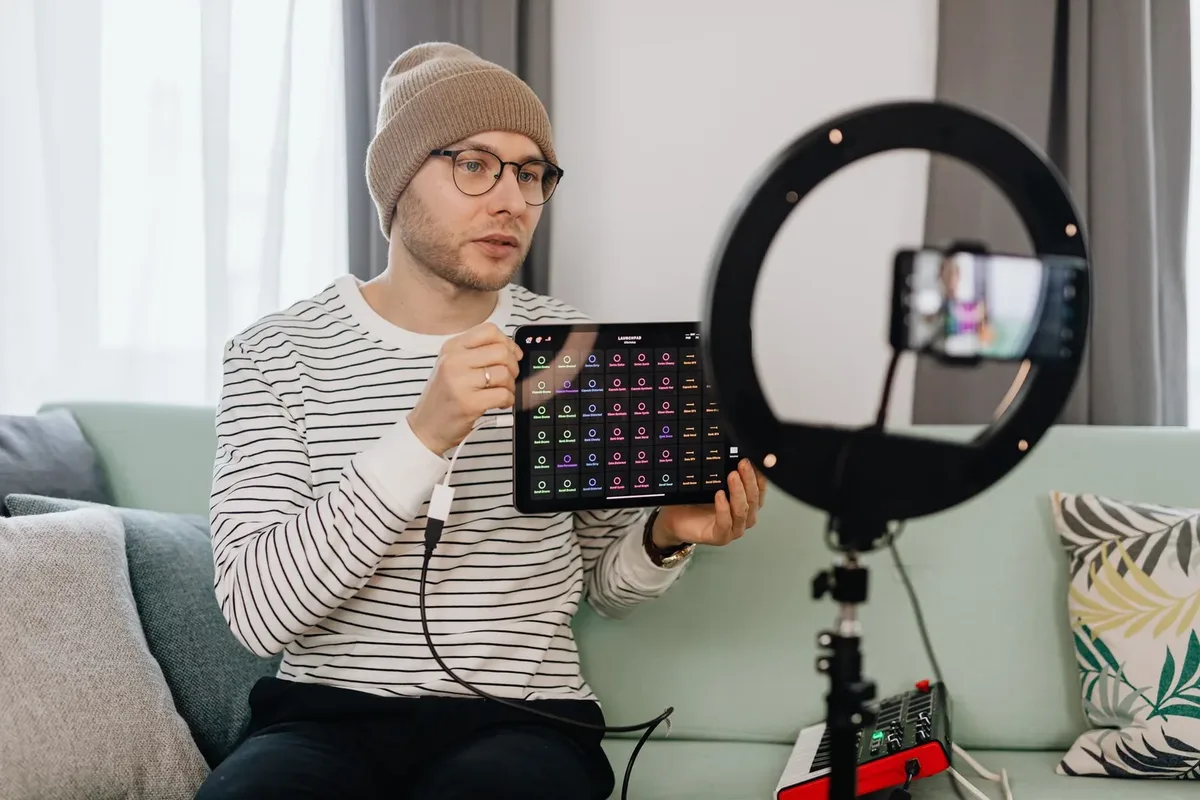
It's easy to list the driver of a headphone, a phone's processor, or a smart home device's connection standard. What's hard is honestly showing what this information changes in the audience's daily decisions. Thus, a tech campaign starts not from a feature list, but from the task, user, environment, and verifiable proof. The creator's experience complements the technical document, it doesn't replace it.
Before the meeting
- Write down the exact product model, its market version, and availability during the campaign period.
- Define the primary goal as awareness, evaluation, usage tutorial, launch, or traffic.
- Determine the proof document, prohibited claims, test samples, and the approval owner.
- Outline ad, store, and e-commerce uses beyond the organic post from the start.
Which tech brands is this work suitable for?
Products with demonstrable use
For products that can be shown on task like phones, computers, peripherals, audio items, cameras, wearables, and smart home solutions, a creator narrative builds strong decision support. It makes visible under what conditions a feature works.
Services requiring explanation
Apps, subscriptions, cloud services, or B2B tech products can be simplified with screen flows, problem-solving, and use cases. Confidential data, trial terms, and paid feature limits are clarified upfront.
Briefs expecting unproven superiority
Scopes asking the creator to voice unverifiable claims like "the fastest", "flawless", or "perfect for everyone", not allowing time for real testing, or wanting to hide the commercial relationship are not suitable.

Evaluate brand readiness realistically
If the product is a prototype, the interface will change, or the sample's software differs from the retail version, this is written into the content plan. The creator isn't told to describe it as if it's the end-user product. Launch confidentiality and the time the creator needs for testing are planned together.
The campaign is not just the marketing team's job. Technical product managers verify claims; legal or compliance teams set necessary boundaries; e-commerce teams prepare stock, product pages, and tracking links. Having a single approver reduces conflicting feedback.
- Ready brand: Models, proofs, stock, samples, and rights plans are distinct.
- Brand needing prep: Has a feature list but unclear usage priorities and measurement questions.
- Brand that shouldn't start: Promises absolute results without verifying product reality.
What is the service scope of a tech influencer campaign?
The scope is more detailed than saying "one video." Creator research, candidate evaluation, communication, sample logistics, test scenarios, creative frameworks, technical info packages, contracts, draft reviews, publication logs, and data collection are separate deliverables. The proposal clearly shows which of these are the responsibility of MyFenomen, the brand, and the creator.
Strategy and matching
Goals, audience questions, the product's decision role, and channel choices are defined. Candidates are compared not just by follower size, but by topic history, narrative style, testing discipline, audience context, brand safety, and availability.
Production operations
Sample acceptance, setup, testing windows, brief questions, drafts, accuracy checks, and publication dates are tracked. A faulty or missing sample isn't treated as a content flaw; replacement and delay procedures are pre-written.
Rights and reporting
Organic posts, brand accounts, ads, web, store displays, edits, and raw file rights are separated. Publication links and accessible platform/web data are reported with source and period information.
Samples, gifts, and returns are three different decisions
Whether the test device stays with the creator, is temporarily loaned, or is purchased affects the content relationship disclosure and logistics. Serial numbers, accessory lists, shipping insurance, data wiping, and return terms can be included in the delivery protocol. Product shipment alone does not create a publication commitment.
If a setup account is needed, the brand does not share real customer data. Demo accounts, sample data, or a separate test environment are prepared. If the creator's personal account is used on the device, checks ensure notifications, locations, passwords, and third-party information don't appear in screen recordings.
How is the campaign planned and executed?
-
Discovery
Products, markets, goals, audience questions, stock, and calendars are learned.
-
Scope
Creator roles, deliverables, proofs, rights, and measurement plans are written.
-
Alignment
Candidates, fees, samples, contracts, and approval owners are finalized.
-
Execution
Products are tested; content is produced, verified, and published with disclosures.
-
Evaluation
Data is collected with the same period and source; next decisions are logged.
CONTENT JOURNEY OF A TECHNICAL CLAIM
- Product document
- Testing condition
- Creator experience
- Clear statement to audience
A result not found in the document or unable to be observed by the creator isn't turned into an absolute fact via creative narratives.
The goal of revision is accuracy and scope
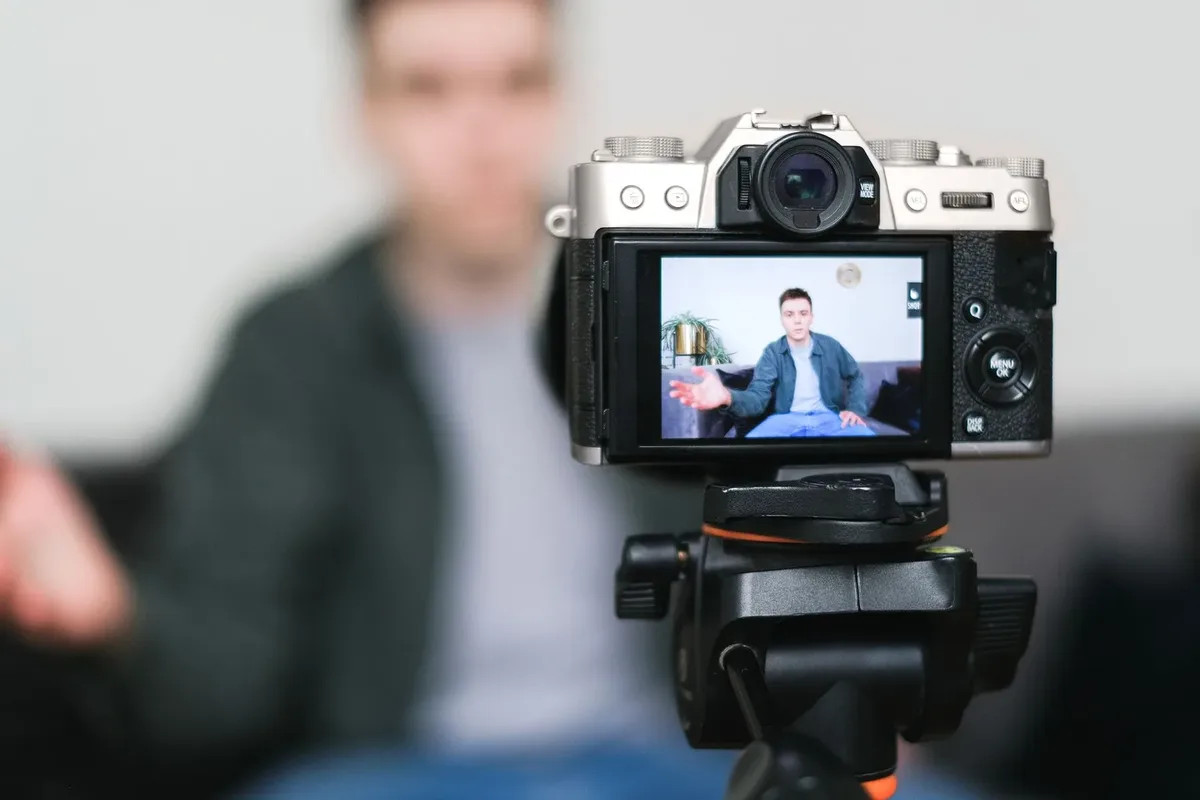
The brand reviews the draft for wrong model names, missing mandatory disclosures, unverified features, visible personal data, or out-of-contract usage. Turning every sentence of the creator into catalog text weakens the natural narrative the audience trusts. Concrete problems are fixed, not the tone of the review.
Situations requiring reshoots are separated from simple editing fixes. If the brief changed later, it's explicitly evaluated as extra work. If approvals are delayed, the publication date isn't silently compressed; stock, launch embargos, and the creator's schedule are updated together.
Which campaign type is chosen based on the goal?
The type of tech campaign is chosen based on which decision hurdle the product needs to solve. Announcing a new model's existence, explaining the difference between two options, teaching setup, and sending qualified traffic to a sales page are not the same brief. Each requires different creators, content depth, and data.
| Type | Decision question | Suitable deliverable | Critical condition |
|---|---|---|---|
| Launch | What is the product and who is it for? | First look, brief intro, live stream support | Embargo, stock, and correct version |
| Evaluation | Is it suitable for my usage? | Deep review, comparison, Q&A | Adequate testing time and clear criteria |
| Tutorial | How is it set up and used? | Guide, screen recording, troubleshooting | Current interface and safe demo data |
| Conversion | Where and with what terms do I buy it? | Usage proof, CTA, tracking link | Stock, offer terms, and measurement setup |
Expert creator
Explains technical distinctions, testing methods, and limitations in detail. Strong for complex computer components, cameras, or network products. The audience's expertise level and the measurement methods used must be understandably explained.
Lifestyle creator
Places the product into a home, work, travel, gaming, or production routine. Makes daily utility visible; supported by brand documents and expert checks where technical certainty is required.
Build a portfolio of decision roles, not just product categories
Having everyone do the same unboxing in a campaign produces repetition. One creator can cover ease of setup, another can handle sound quality in a daily environment, and another can address compatibility limits. This distribution doesn't ruin the common message; it answers the audience's different objections.
If a competitor's name will be used in comparison content, criteria and sources are approved in advance. Comparisons made with different price tiers, software versions, or accessories are not presented as equal conditions. The creator explains their personal preference without mixing it up with objective technical data.

Contracts, ad disclosures, and tech claims
In commercial ads with social media influencers in Turkey, benefits like free or discounted goods and services, alongside monetary gain, may require the relationship to be disclosed. The Ministry of Trade guidelines provide a framework regarding the responsibilities of the advertiser, agency, medium, and influencer. Using the platform's "paid partnership" tool is not assumed to unilaterally fulfill local obligations.
YouTube requires the creator to notify the platform for videos containing paid product placements, sponsorships, or other commercial relationships. Instagram and TikTok also enforce their own disclosure tools and policies for commercial content. The campaign team checks the current tool of the relevant account on the publication day; if legal evaluation is needed, it consults authorized counsel.
CO-CHECKED LAYERS
- Local advertising rules
- Platform policy
- Product proof
- Parties' contract

A tech claim lives by its source
Battery life, water resistance, connection speed, device compatibility, energy consumption, or security features are not turned into unconditional statements. The model, software version, test settings, accessories, and environment can alter the result. The brand provides the current technical document; the creator's observation is separated from the creator's declaration.
The contract explains the deliverables, publication account, commercial disclosure, drafts and revisions, usage rights by medium and duration, editing permissions, raw files, exclusivity, sample ownership, and data sharing. Organic publication permission is not automatically turned into unlimited advertising.
How should measurement and reporting be established?
Reporting starts from the goal statement. For launches, it might cover reach and qualified viewing; for evaluations, product questions, saves, comparison behaviors, or product page visits; for conversions, events on suitable tracking infrastructures. Every metric doesn't answer the same commercial question, and platforms may not use the same definitions.
Viewing is not the same as persuasion
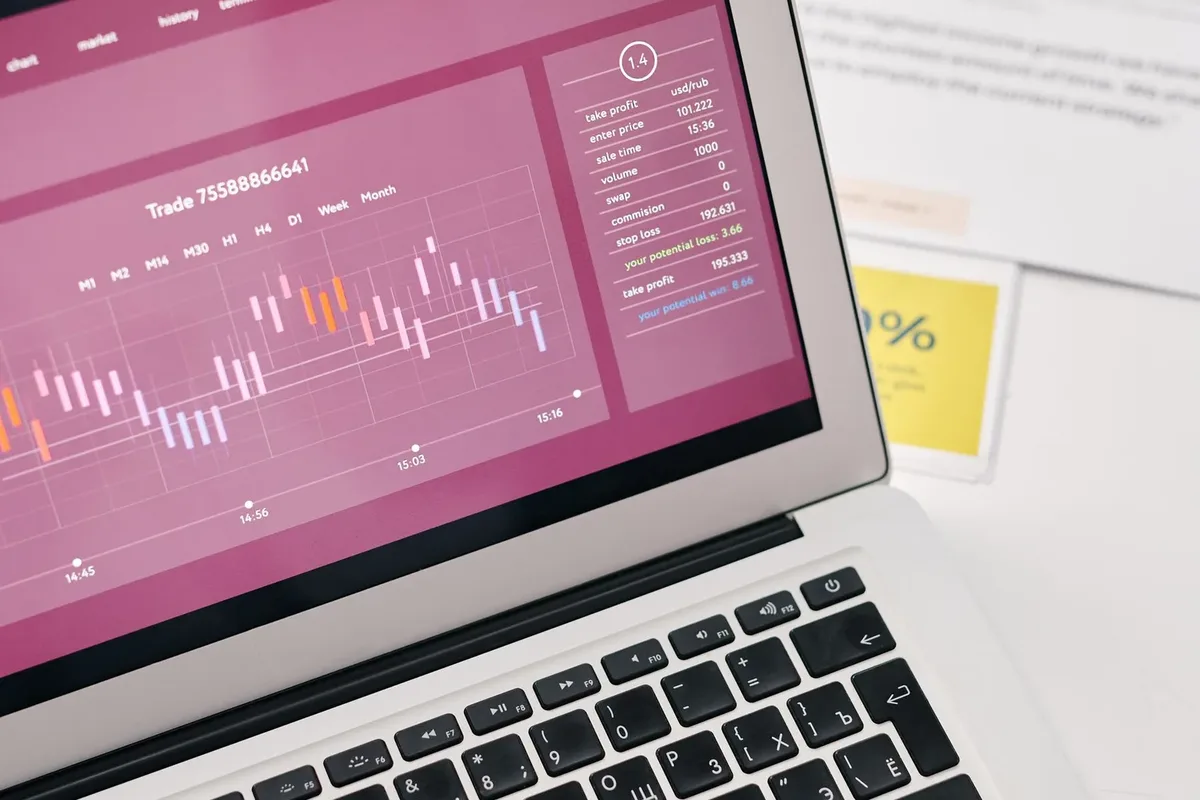
High views alone do not prove the product is understood correctly, converts to sales, or reaches the right audience. A more limitedly distributed, detailed content can be valuable for the evaluation goal by answering compatibility and setup questions. The quality of comments is examined alongside the content's claim and CTA.
Organic data, ad panels, and e-commerce analytics are different sources. Attribution windows, consent preferences, cross-device movement, and returns can change the results. Missing data is not written as zero. Even within the same campaign, creators are not ranked without equalizing the data collection moment.
MEASUREMENT DECISION PATH
- Goal
- Source
- Context
- Next test
How do tech and electronics subcategories differ?
Phones and computers
Models, hardware, operating systems, configurations, and price variants change the result. The review device is verified to be the same as the retail version; synthetic tests do not replace daily experiences.
Audio and video
In headphone, speaker, camera, and screen narratives, the recording chain alters audience perception. Audio quality over compressed video is not presented as absolute proof; the environment and source device are explained.
Gaming and peripherals
Latency, ergonomics, compatibility, and performance depend on the game, system, and user habits. Long-term usage observations are distinguished from short demos.
Smart home and IoT
Setup, network standards, apps, subscriptions, data processing, updates, and compatibility with other ecosystems are part of the buying decision. Privacy in home footage is specially protected.
Wearable technology
Comfort, batteries, sensors, and app experiences require real usage. Health-related metrics are not narrated as medical diagnoses; product classes and official warnings are checked.
Software and digital services
Plans, free trials, data migration, device support, and subscription cancellations must be visible. Since interfaces can change rapidly, pre-publication screens are re-checked.
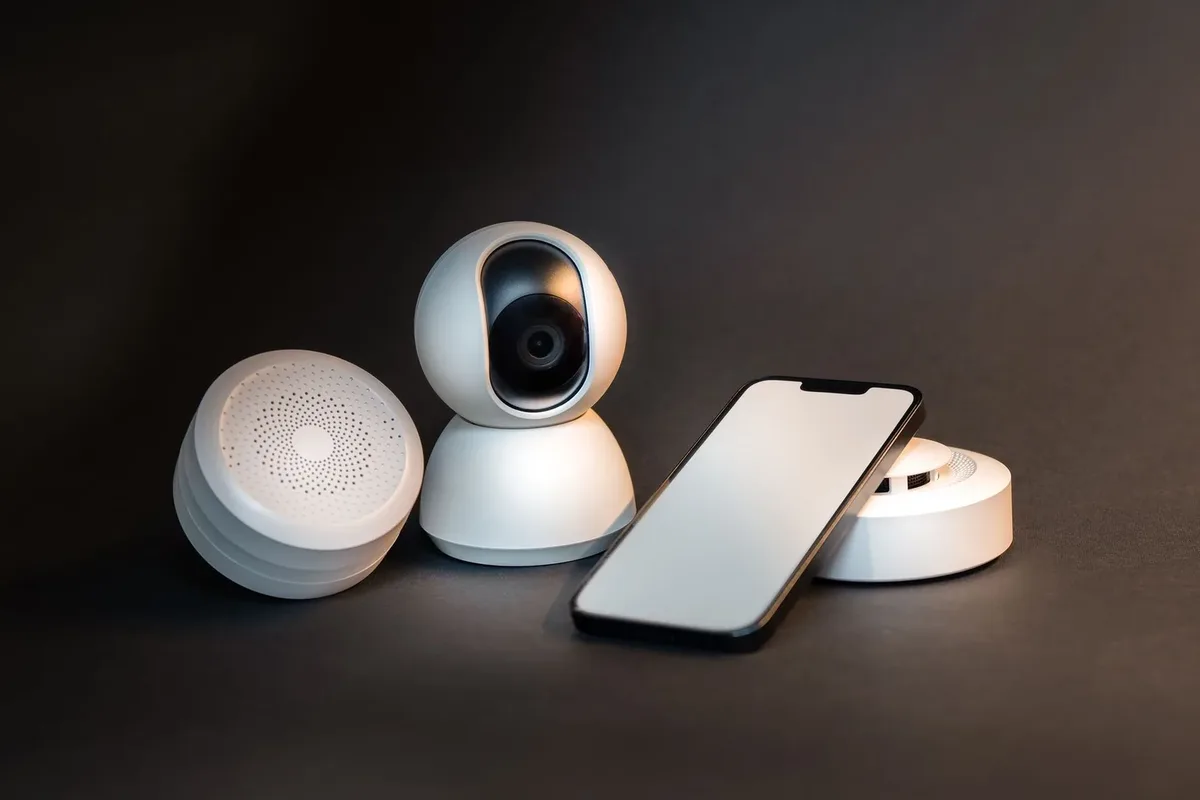
The same product requires different proofs for different users
Students, mobile workers, designers, and gamers don't choose a laptop using the same criteria. Even if the content creator's audience is interested in the product category, they might not align with the campaign's actual user scenario. During matching, instead of a "tech account" label, frequently handled tasks and audience questions are examined.
The subcategory also changes post-service expectations. Setup support, warranties, repairs, spare parts, updates, and subscription information must align with the product page. If support questions are expected in the campaign comments, who will answer them, from which account, and in what timeframe are planned before publication.
What are common campaign mistakes?
- Feature wall: Technical lists are not tied to the user decision. Choose a single task, problem, and proof for each piece of content.
- Inadequate testing: Long-term usage results are stated on day one. Plan the observation time according to the nature of the claim.
- Wrong version: Samples are confused with retail products. Record the model, region, hardware, and software version.
- Uniform text: All creators read the same sentence. Keep common facts but differentiate the creative roles.
- Unclear rights: Organic posts are thought to be unlimited usage. Write the medium, duration, editing, and ad permissions.
- Disconnected measurement: Links and data access are thought of post-publication. Make source, owner, and period decisions in the brief.
A malfunction is not a content idea
If the test device is unexpectedly failing, the creator is not asked to hide the problem. First, the technical team examines if this is an issue with setup, accessories, software, a singular sample, or overall product behavior. Replacing the device doesn't always invalidate the observation; however, the change is logged.
An approach that punishes negative experiences reduces both trust and learning. The scope and publication conditions of sponsored deliveries are clear in the contract; statements contradicting the creator's actual experience are not forced. A crisis plan defines the correct information and support channel before deleting a comment.
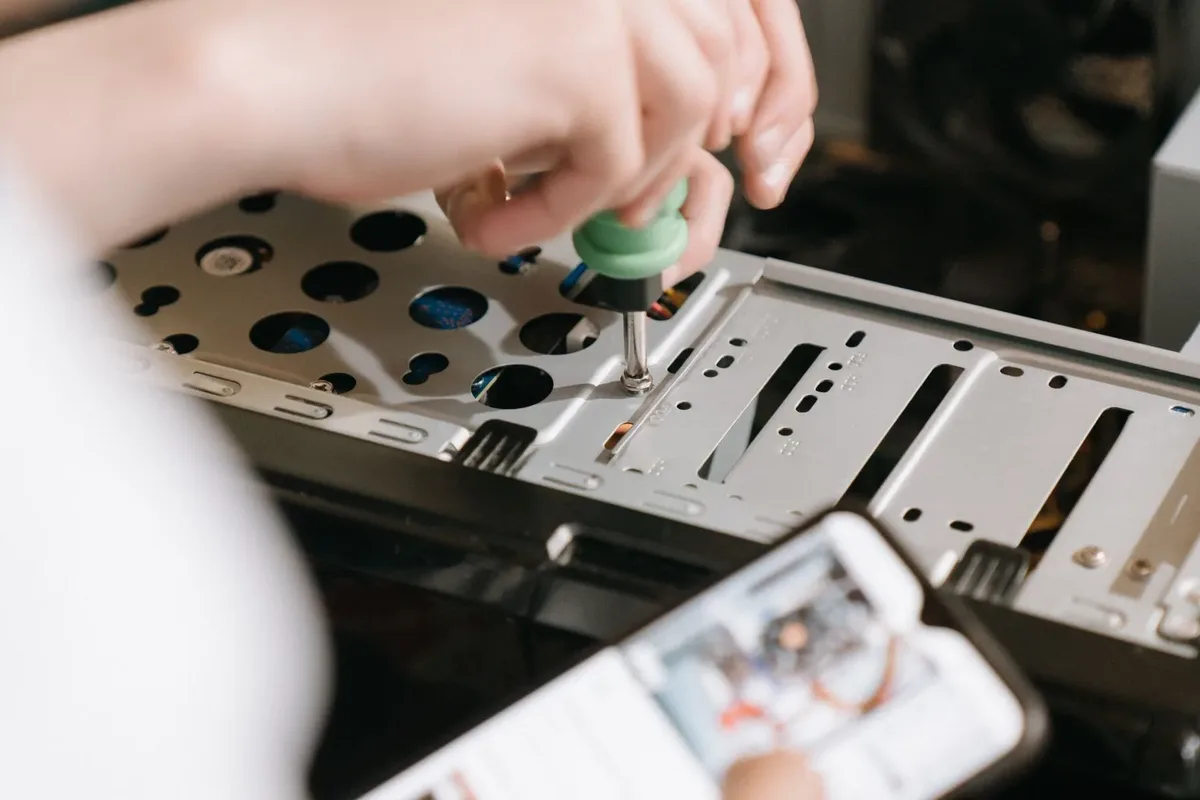
Pre-start and pre-publication checklist
Before starting
- Are the exact model, region, variant, and retail version verified?
- Are the goal, audience question, and each creator's role written down?
- Are the sources and valid conditions of technical claims available?
- Are sample ownership, shipping, accessories, and testing times clear?
- Are deliverables, revisions, rights, exclusivity, and fees agreed upon?
- Are measurement links and data owners ready?
Before publication and delivery
- Are the model, price, features, and interface in the content still current?
- Is the commercial relationship disclosed both with visible statements and platform tools?
- Have personal data, notifications, serial numbers, and third-party consent been checked?
- Are music, image, location, and editing rights covered?
- Are working CTAs, stock, and offer conditions aligned with the product page?
- Will publication links, screen recordings, and data retrieval dates be logged?
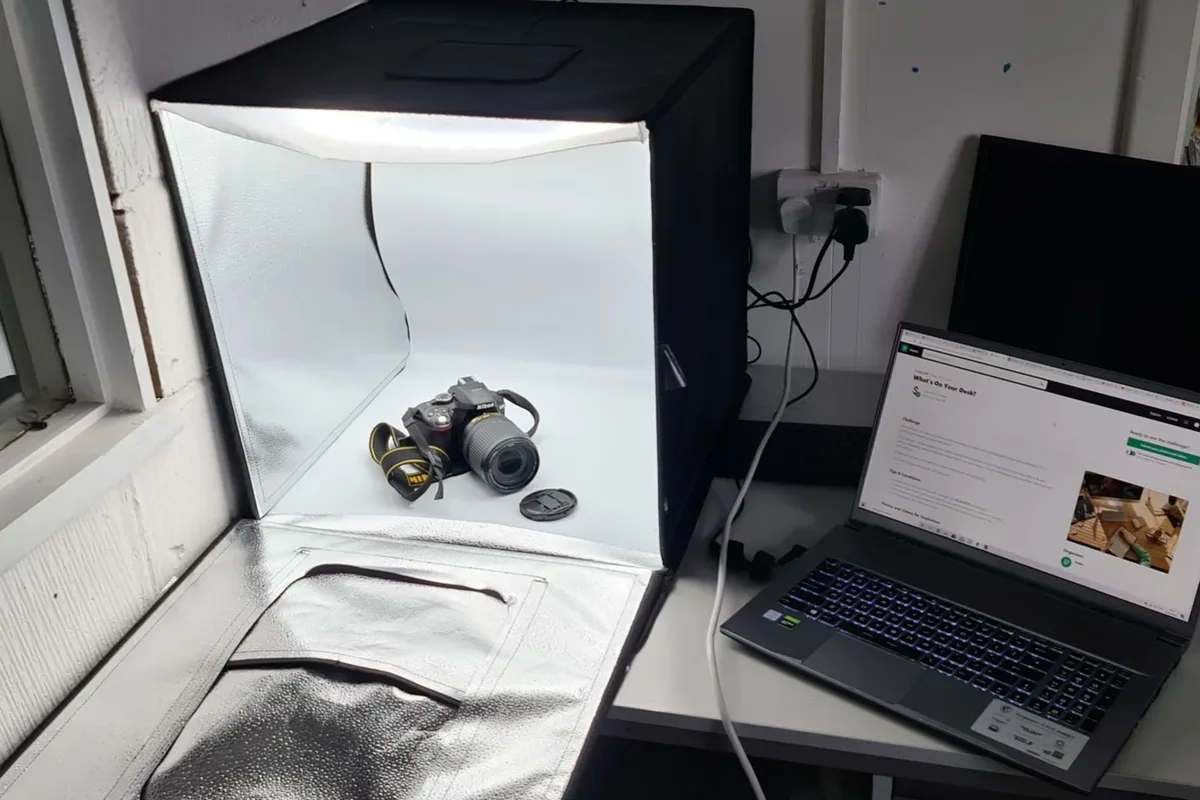
A list doesn't work if the owner is unclear
An owner and proof are defined for each item. Instead of "the technical team will look," the feature file the product manager will approve is used; instead of "the agency checks," concrete outputs like post screenshots and link logs are used. A checklist is not a badge that assumes completion.
The final pre-publication check compares the approved draft with the actual post. Titles, descriptions, tags, links, covers, and platform commercial content tools are examined together. If the content is edited later, whether the disclosure is lost is separately tracked.
Terms you will see in the proposal
- Brief
- A written working document uniting goals, audiences, facts, limits, deliverables, and measurement.
- Deliverable
- A clearly defined handover like a video, story, live stream, raw file, or report.
- Embargo
- The condition that product information cannot be published before a specified date and time.
- Sample
- A product provided for testing or content creation; ownership and return terms are specified separately.
- Usage right
- Where, in which region, for how long, and with what modifications the content can be used.
- Whitelisting
- Access established to use the creator's content or identity in authorized ad distribution.
- Exclusivity
- A clause temporally limiting the creator's freedom to work with specific competitors or categories.
- CTA
- A call clearly asking the audience for an action, like visiting a product page or reviewing features.
- UTM
- Link parameters helping to distinguish traffic sources in web analytics.
- Attribution window
- The defined period during which an event occurring after an ad touchpoint can be tied to the report.
- Organic distribution
- Impressions provided by the platform and follower network without paid media buying.
- Paid distribution
- Impressions supported by a specific ad budget and targeting.
- Technical proof
- A current document or verifiable test showing the model, method, and conditions of a claim.
- Demo account
- An account prepared for safe display, containing no real customer or employee data.
- Raw file
- Pre-editing video or audio; may require separate rights and processing from the published deliverable.
Frequently asked questions about tech influencer campaigns
What is a tech influencer campaign?
It's an effort that manages the communication of a tech or electronic product by the right creators in a real usage context, together with product information, testing, commercial disclosure, contracts, publication, and measurement. It is not just sending devices or buying a single video.
In a well-scoped campaign, it is clear which user problem the product solves, what the creator can actually test, which claims are documented, and where the content will be used. It does not offer guaranteed results but provides an auditable decision and operational structure.
Which platform should we choose?
The platform is selected based on target audience habits, narrative depth, the product's display needs, and the measurement plan. YouTube might be suitable for detailed reviews and search intent; short video platforms for quick usage moments and discovery; and live streams for demos and Q&As.
These generalizations are not automatic choices. The same creator's audience and content capability can differ across platforms. The campaign separates the primary role and cross-platform reuse rights in writing.
How many influencers should we work with?
There is no universal number. The goal, user scenario diversity, creator roles, budget, sample count, testing time, and the team's approval capacity are evaluated together. A few strong matches can be more descriptive than many irrelevant accounts.
As the number of creators grows, so does the burden of negotiations, shipping, contracts, technical questions, drafts, and data collection. Thus, we look not only at potential reach but also at the operations that can be managed with the same quality.
Is follower count enough for selection?
No. Topic history, narrative ability, actual product experience, audience questions, video quality, brand safety, approach to technical accuracy, and commercial conditions are examined together. Follower size is not a guarantee of future reach or sales.
Audience demographics cannot be verified in the same detail for every account. Inaccessible data is not written as absolute fact. When necessary, a small pilot scope provides safer learnings than a massive assumption.
Does sending free products count as advertising?
When content is produced in exchange for free or discounted products, services, invitations, or other benefits, disclosing the commercial relationship may be required. Current regulations in Turkey and the relevant platform's commercial content tools must be checked before publication.
Sending a product does not grant the creator an automatic publication obligation or give the brand unlimited usage rights. Gifts, loaned samples, and paid deliveries are written with separate conditions.
Must the creator only speak positively?
No. Demanding false praise is not a reliable or sustainable practice. The mandatory facts, scope, and publication terms of a sponsored delivery can be predetermined; however, an opinion contradicting the creator's actual experience should not be imposed.
If the product is unsuitable, the issue is verified with the technical team. The brand can use its right to reply, correction methods, and cancellation conditions in the contract; fixing the concrete error rather than hiding criticism.
How long should the product be used for a review?
The duration depends on the claim. Box contents and initial setup can be seen quickly; battery, comfort, durability, learning curves, or long-term software behavior require longer observation. A fixed number of days does not apply to all products.
The brief defines which questions the creator will answer; a realistic testing window is established accordingly. If the creator only has a first impression, the content explicitly states this.
Can a campaign be run with a prototype or pre-launch device?
Yes; however, it must be recorded in writing that the device is a prototype, the software might not be final, and its differences from the retail product are noted. Embargos, confidentiality, sample security, and the error correction process are planned separately.
The creator does not present the prototype as the final consumer experience. If the calendar is too close to launch and sufficient testing cannot be done, the scope is limited to a first look or a specific feature demo.

Can we approve the draft before publication?
Yes, the draft and approval flow can be defined in the contract. The review focuses on the model, technical accuracy, mandatory disclosures, brand safety, confidentiality, and brief scope. Turning the creator's personal narrative into a corporate ad can weaken the campaign's authenticity.
The number of revisions, response time, reshoot conditions, and final approval owner are established from the start. A brief change originating from the brand is not treated as a normal correction.
Can we use the content in ads?
Only if the relevant rights and platform authorizations have been explicitly acquired. An organic creator post is not an automatic permission for brand account sharing, paid ads, websites, marketplaces, store screens, or other platform use.
The medium, duration, region, editing, subtitles, music, creator identity, and raw file rights are written separately in the contract. Platform ad access does not replace usage rights.
Can comparisons be made with competitor products?
Yes; the comparison must be built on accurate, up-to-date, non-misleading criteria based on identical conditions. If the model, price tier, software, accessories, or testing environments differ, these are visibly explained.
Competitor features are verified from official and current sources. They are not presented as the creator's personal preference, lab results, or universal superiority; claims requiring legal review go to the authorized team before publication.
Does the campaign guarantee going viral or bringing sales?
No. There are many external factors like distribution, competition, price, stock, product pages, offers, audience behavior, and measurement infrastructure. MyFenomen manages the planning and operations; it does not guarantee reach, viral spread, sales, or specific ROI.
Instead, the tested creative hypotheses, accessible data, and subsequent decisions are clearly recorded. High views alone do not mean commercial success, and low views do not always mean the content is valueless.
Should the price be mentioned in influencer content?
If price is crucial to the decision, it can be mentioned; however, the currency, package, period, seller, and campaign conditions must be verified. Since tech prices and stock can change rapidly, it might be more accurate to direct the audience to the current product page rather than stating a fixed price in a permanent video.
The duration of the discount code, applicable products, minimum carts, or other terms are made visible. The inability to update the price in old content is taken into account.
What is the difference between an unboxing and a review?
An unboxing shows the package, accessories, physical design, and initial setup experience. A review evaluates strengths, limitations, and the suitable user based on a specific usage period and criteria. One should not be substituted for the other.
It is not reliable to state long-term battery, durability, or comfort results in day-one content. The title and description tell the audience the actual scope of the content.
Does MyFenomen find the content creator?
If creator research is included in the proposal, MyFenomen builds a candidate pool based on the brief and presents it for the brand's approval. The brand's existing candidates can also be evaluated within the same framework of topic fit, narrative, safety, availability, testing discipline, and commercial terms.
The final collaboration is solidified by the candidate's interest, product suitability, and written mutual agreement. A candidate list is not a guarantee of publication or results.
How long does it take to prepare a campaign?
The duration varies based on the brief, candidate interviews, contracts, product sourcing, shipping, testing needs, technical questions, production, revisions, embargos, and publication windows. It is not accurate to provide a fixed number of days without seeing these inputs.
A backward decision calendar is built once the target date is shared. If a launch calendar cannot accommodate testing time, the delivery type is narrowed or the publication date is reevaluated.
What data is included in the reporting?
Depending on the scope and access, it can include publication links, views and watch metrics, engagements, qualified comments, profile or link actions, ad data, and web events on suitable tracking infrastructures. The source and period for each metric are specified.
Inaccessible data is not reported as if it exists. Organic and paid results, different collection times, and different attribution definitions are not mixed.
How is personal data protected in smart device content?
Using demo accounts and sample data is the safest start. Before screen recording, notifications, contact names, emails, locations, network names, serial numbers, and third-party images are checked. Real customer data is not carried into a content demo.
In smart home shoots, home layouts and security details can also be sensitive. Technical claims about where data is processed are explained using the brand's current documentation, not creator estimations.
What information should we share to get a proposal?
The brand and exact product model, campaign goal, target user, planned period, platform preference, estimated creator or delivery scope, sample status, usage rights, media needs if any, technical proofs, and measurement expectations are a sufficient start.
Budget framework options make prioritizing easier; if unknown, different scope scenarios are discussed. Missing points are completed during the discovery call, and the price is prepared after seeing the actual deliverables and rights.
Why is the product information package a living document?
Sending the creator a technical document of hundreds of pages and leaving all the responsibility to them is not enough. A usable package gathers the exact product name, regional model code, box contents, basic user scenarios, verifiable features, the conditions under which these features apply, mandatory warnings, support links, and the internal question owner in a single place. Marketing sentences and measurable technical declarations are separated. Features not yet active, future updates, or functions found only in specific subscription plans are clearly marked. Thus, the creator knows which information to verify through their own observation and which to base on the brand's source.
An information package is not a creative scenario; it does not dictate every sentence the creator will say. Conversely, it prevents mispronouncing the model name, assuming the presence of an unincluded accessory, or carrying a feature from another market to the Turkish version. The document carries a version and date. If product software, pricing packages, or support pages change during the campaign, the updated info is transmitted in writing to affected drafts. To avoid mixing old and new files during approvals, a single main source is designated. Every change sent to the creator is logged with which deliverable it affects and whether it requires a reshoot.
How does a testing plan protect the limits of observation?
A testing plan is not used to mimic a lab but to honestly establish the limits of the observation in the content. The task the creator will try, the devices they will use, the connection environment, account type, software version, and necessary accessories are listed. For variable results like battery or performance, screen brightness, networks, app loads, and usage styles are noted. This log does not force every creator to the same result; it helps to understand from which condition a different result might have arisen. Simultaneously, it prevents asking the creator to narrate a test they didn't actually perform during draft reviews.
If the brand's official test results are to be used, the method and scope are stated with the source. The creator's daily experience is not presented as official lab values; nor are official values generalized as the result every user will get. If there is a step during testing that could pose a security risk, data loss, or void the warranty, the creator is not forced to execute it. If necessary, an authorized technical team provides a demonstration or the content scope is narrowed to a safe function. The official support path is provided for audiences experiencing issues; the comment section is not turned into an unauthorized technical service.
Separation of comments and support
Setup, warranty, compatibility, and malfunction questions can pile up under tech content. The creator doesn't have to make technical commitments on behalf of the brand. Before the campaign, redirections for FAQs, official support links, and urgent security notifications are prepared. Which questions the brand account will answer, and which comments the creator will merely redirect, are determined. Personal order info, serial numbers, or account details are not requested in public comments. Resolving issues moved to the support team is tracked separately from the marketing report; a single comment is not used as a statistic for entire product quality.
Learning from community questions
Comments are not just an engagement sum. Which devices the audience wonders about compatibility with, which terms they don't understand, or which usage contexts they find missing are qualified inputs for subsequent content. Questions are categorized into topics; frequently recurring topics lacking official answers are relayed to the product team. Conversely, an unverified claim in an anonymous comment is not taken as product reality. If the creator prepares a new response video, the commercial relationship disclosure is maintained, and additional claims not in the initial campaign are re-approved.
Content accessibility
A product demo isn't left dependent solely on sound or small text on a screen. Accurate subtitles for speech, visible text for key connection statuses, and clear framing are used. Color changes aren't the only warning method; fast screen recordings are broken into steps when necessary. This approach strengthens the narrative not only for technical accessibility but also for silent viewers or those new to the product. If subtitles are auto-generated, model names, units, and foreign terms are manually checked. If an accessibility feature is shown, it is tested on the actual device and current version.
Retail reality must match the content. If the color, capacity, package, or accessory shown by the creator is not on the sales page, the audience's decision path breaks. Before publication, product links, stock, delivery regions, warranty providers, and campaign conditions are checked. The brand's official store is not confused with marketplace sellers. If the product is out of stock, content isn't hastily redirected to another model; the CTA and publication decision are reevaluated. If there are pre-orders at launch, whether the delivery date is an estimate or a firm commitment is expressed according to the brand source.
The end of a campaign is not leaving files orphaned. The brand gathers the final approved files, publication URLs, screenshots of disclosures, usage rights periods, ad authorization expirations, sample returns, and accessible data in a closure log. Ad and store usages are halted for content rights that have expired. How long the creator keeps the organic post open is tracked according to contract conditions; platform or account accessibility isn't guaranteed forever. The final evaluation records which user question was better answered and which uncertainty will be cleared in the next brief before asking which creator "won."
MYFENOMEN / LET'S PLAN TOGETHER
Let's build a verifiable influencer campaign for your tech product
Share your product model, goals, timelines, deliverables, and usage rights expectations. Let's clarify the appropriate creator roles and operations scope together. Instead of asking for an account list in the first meeting, we discuss which user decision the product will aid, what experience can actually be demonstrated, and which information requires a technical source. We separate the sample, testing, approval, publication, ad usage, and reporting needs. Thus, the proposal is based not just on an estimated video count, but on clear deliverables the brand can manage. If the budget framework isn't defined yet, we can create alternative scopes preserving the primary goal; exact creators, costs, and calendars are agreed upon after candidate availability, product testing needs, and rights are finalized.
Get a proposal ↗