
Being visible on TikTok and being a natural part of the feed are not the same thing. A classic commercial adapted to a vertical frame can technically be published; but if it doesn't utilize the creator's narrative rhythm, the curiosity in the first seconds, and the community language continuing in the comments, the creative potential of the campaign is narrowed. For this reason, we don't start by asking "which account should we rent?", but rather, what real need of the viewer will be answered with what video idea.
Before the meeting
- To start, a clear definition of the product or service, target audience, primary goal, planned period, claims to avoid, and whether the content will be used beyond organic sharing are needed.
- If redirection to a website or app is expected, tracking links and data owners are also included in the brief.
- Budget framework options make prioritization easier; if unknown, scope scenarios are created first.
- Definitive creator fees are not assumed without discussing rights and delivery conditions.
Who is a TikTok campaign suitable for?
Brands that want to adapt creative ideas to the platform
It is suitable for teams that want to explain product benefits through a demonstration, experience, comparison, story, or community question. The message is protected; the narrative is translated into the creator's natural video language.
Teams centralizing a multi-party operation
If candidate meetings, product logistics, drafts, compliance checks, publishing permissions, and reporting are scattered across different people, a single brief and decision schedule reduces work loss.
Those expecting definitive viral results or sales
It is not a service that guarantees a specific number of views, sales, or followers. Distribution and conversion depend on many factors including the creative, offer, competition, stock, site experience, and platform systems.
Preparation on the brand side
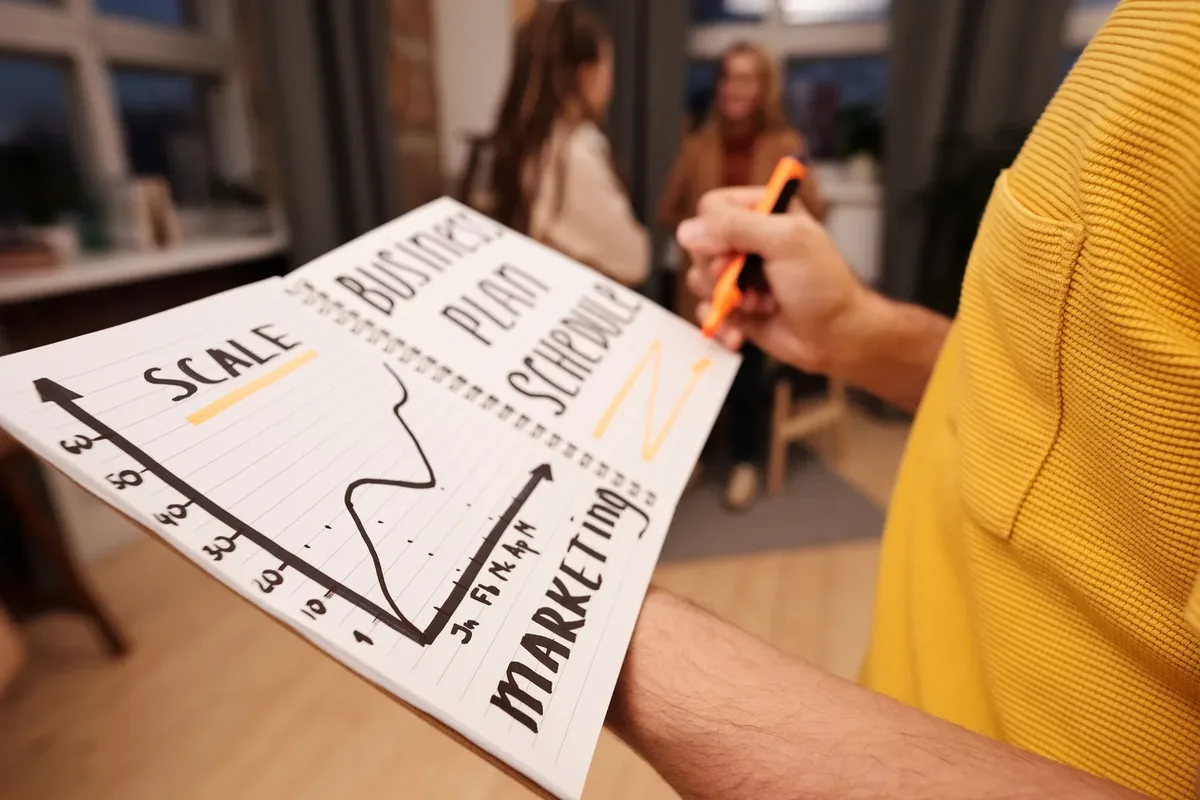
- It is useful to designate a single decision-maker on the brand side. The marketing team evaluates the goal and brand framework, the product team verifiable features, the performance team links and measurement, and the legal or compliance team evaluates regulated claims. These roles can be combined into one person in a small team; the important thing is that comments don't go to the creator through conflicting channels.
- Brands whose TikTok account is new can also plan creator collaborations. However, if the profile, comment management, and the directed page are not ready, the place to meet campaign interest remains incomplete. If there is a sales goal, stock, mobile page, and tracking infrastructure; if there is an awareness goal, core content on the brand account and community response order are checked in advance. Lack of preparation doesn't automatically stop the campaign, but it changes the decision on type and timing.
- Internal ownership of the campaign is also important in suitability evaluation. While expecting fast and natural content from the creator, passing brand approval through an unknown number of committees creates an unrealistic schedule. Conversely, unchecked speed creates product error and disclosure risks. Determining the decision-makers, response time, and who has the final say on what subject before the proposal protects operation quality as much as creative quality.
TikTok campaign service scope
The scope is built by separating the brand's existing team and the support it needs. Some brands come with an approved creative idea and candidate list; some expect the entire structure from MyFenomen except the goal. The following areas are modular, but interconnected decisions are kept in a single campaign document.
Discovery and brief
The business goal, audience, product reality, mandatory message, forbidden claim, creative space, delivery, and success indicators are turned into a written working framework.
Creator research
A candidate pool is created based on topic fit, narrative style, past content quality, audience context, brand safety, availability, and commercial conditions.
Creative direction
Instead of a one-word "trend" request, the hook, tension, proof, product role, and closing behavior are defined. Movement space is preserved for the creator's own voice.
Proposal and agreement
Deliverables, publishing conditions, revisions, fee, payment, exclusivity, organic and ad usage, and Spark Ads authorization become separate items.
Production operation
Product shipment, shoot schedule, draft delivery, consolidation of comments, disclosure setting, and publishing link are managed in a single tracking flow.
Reporting and learning
Agreed data sources are collected with the same period and definition; results are interpreted at the creative, creator, distribution, and goal levels.

Determine the boundaries of the scope together
Production crew, studio, talent, heavy editing, paid media management, comprehensive legal review, research panel, or off-platform licensing are not automatically included in every proposal. If required, they are written as separate items. The brand provides accurate product information, required documents and permissions, timely consolidated feedback, and the readiness of the page the campaign directs to.
Scope is also the change management of the campaign. Adding a new product variant, publishing the video in a different country, moving organic delivery to ads, or changing the message after approval requires different effort and rights than the initial decision. These possibilities are asked as much as possible at the beginning. A change request that emerges later is not rejected, but evaluated by making its impact, new owner, schedule, and cost visible.
How do we run a TikTok campaign?
The process makes the output of each step the input of the next decision. Thus, candidate selection is tied to the goal, creative proposal to the product reality, and the report to the success question written at the beginning. An urgent schedule does not destroy these decisions; it only narrows the meeting and approval windows.
Keeping a decision record at each stage prevents the same topic from being reopened in different correspondence. The answer to why a candidate was chosen, which claim was removed, which draft was approved, and who received the ad authorization is found in one place. This record is necessary not only when there is a problem, but also to understand under what conditions a successful creative approach can be tested again in the next campaign.
-
Discovery and goal
Brand need, target audience, product reality, commercial goal, and constraints are gathered. The output is a single primary goal and measurement question.
-
Scope and creative architecture
Creator roles, video formats, deliverables, usage areas, and approval flow are determined. The difference between alternative scopes is made visible.
-
Selection and agreement
Candidate suitability is discussed; availability, fee, right, disclosure obligation, and schedule are written down. The brand approves the final list.
-
Production and approval
The product and brief reach the creator. The draft is checked for product accuracy, brand safety, ad disclosure, and technical delivery.
-
Publishing, measurement, and closing
Publishing links and permissions are verified; agreed data is collected. The final evaluation separates decisions to keep and change in the next campaign.
Single contact, shared decision log
A single main contact point on the brand side and one operation flow on the MyFenomen side are used. Feedback is collected in a single round without contradiction. The creator's schedule, product delivery, weekend or public holiday, regulated category review, and reshoot possibility can affect the schedule; therefore, a definitive timeline is not announced without seeing the brief and candidates.
From decision to learning
- Goal
- Production
- Publishing
- Learning
TikTok campaign types based on goal
| Work type | When is it suitable? | Typical output | Important decision |
|---|---|---|---|
| Creator publishing | When the message is intended to be delivered in the creator's own community | Commercial content on the creator's account | Topic and audience fit |
| Content production | When a video asset is needed for the brand account or media | Delivered vertical videos | Usage rights |
| Spark Ads supported work | When an authorized organic post is planned to be used in ads | Organic post and ad authorization | Authorization duration and media owner |
| Series or ambassadorship | If the product experience will be explained over time | Connected video series | Frequency and exclusivity |
| Community engagement | If a comment, response video, or participant idea is targeted | Question, response, and derivative content | Moderation and permission |
Choosing the type comes before the question "which format is popular?". The same video can be organic commercial content on a creator's account, a licensed asset on a brand channel, or a Spark Ads creative material with permission; but the rights and measurement sources of these usages are not the same. Publishing and file delivery, organic rights and paid media rights are written separately in the proposal.
When choosing between campaign types, the brand's internal capacity is also taken into account. Creator publishing with many accounts demands extensive coordination and fast approval; content production can provide a more controlled asset pool; series work requires long-term idea discipline. The broadest package is not always the most suitable package. The smallest viable scope that explains the goal can be scaled up in a controlled manner after learning.
Publishing on the creator's account
The creator's existing audience relationship is part of the campaign. In selection, not only the view size but also the topic history, comment quality, narrative consistency, and past content that could be risky for the brand are evaluated. If the brand copy is imposed word-for-word, the natural connection on the creator's account may weaken; on the other hand, product reality and mandatory disclosures cannot be abandoned under the guise of creative freedom.
Content production for the brand
It may not be mandatory for the creator to publish on their own account. The goal is to create platform-appropriate videos for the brand account or ad library. In this model, the delivery format, raw file, subtitle, music and visual element usage suitability, editing rights, and publishing channels are defined in detail. The content looking natural does not mean it is spontaneous consumer content; the commercial context is preserved.
Spark Ads supported publishing
TikTok defines Spark Ads as a native ad format where the brand can use its own or another creator's authorized organic post in ads. Authorization is required for another creator's post. The authorization code or linked account process, duration, ad account, targeting, and media budget are separate decisions from the content agreement. Opening the organic post to ads is not an automatic or unlimited right.
Series, ambassadorship, and community setup
A single video can carry a launch message; a series might be more suitable to explain stages of a usage experience, different problems, or questions arising from comments. A series is not a repetition of the same sentence: each video solves a different viewer question. In ambassadorship, category exclusivity, competitor definition, period, production capacity, and communication during a crisis are written down from the start. In community engagement, comment moderation and permission to reuse user content are planned additionally.
TikTok-specific creative execution formats
The format of a TikTok campaign is not just the video length. The opening question, the relationship between image and sound, the moment the product appears, how the proof is presented, and how space is left for comments are designed together. A trend is only used if it serves the brand idea; imitating a trend is not a strategy on its own.
Creative evaluation is not based solely on whether the draft is "liked". Whether the viewer understands the video without context, whether the product is forced or naturally included in the narrative, the readability of on-screen text, the alignment of the claim with proof, and the expected subsequent behavior are checked separately. Feedback that reduces brand risk without erasing the creator's personality is more actionable than vague comments like "make it more corporate".
Experience and demonstration video
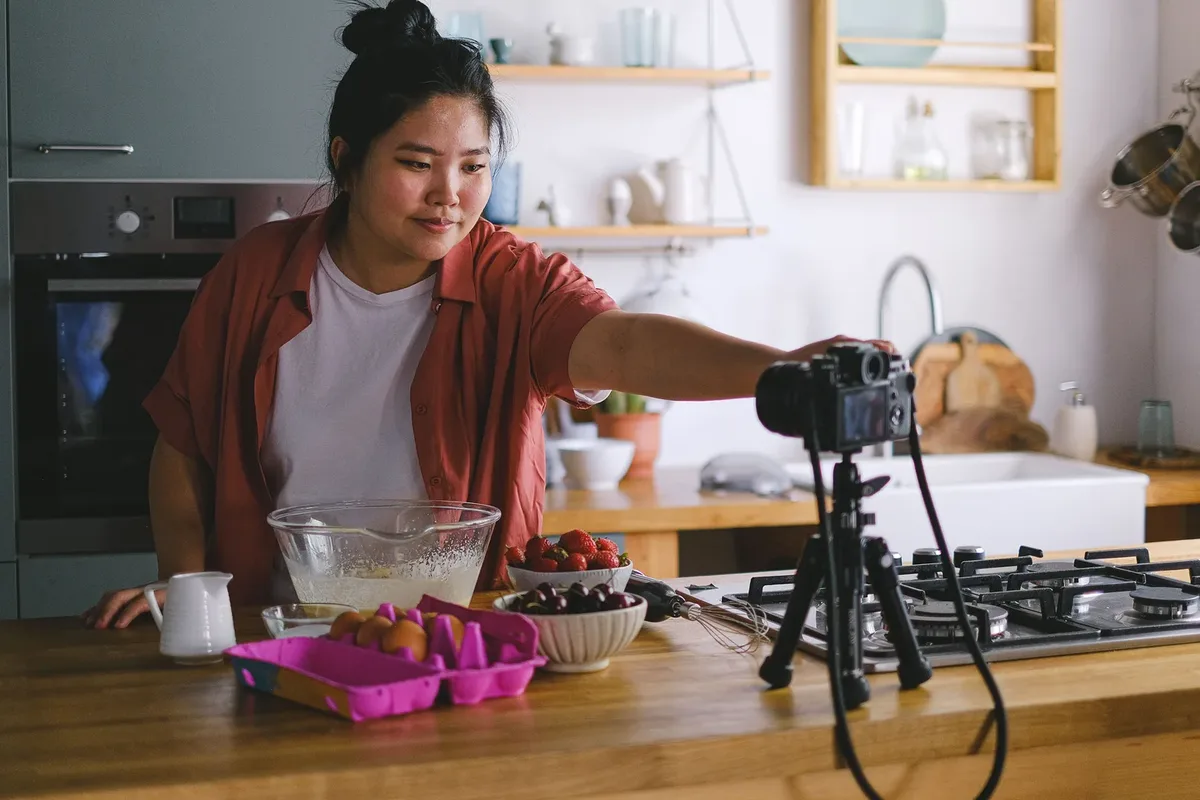
The product or service is shown in a real task. The viewer sees the usage steps and the result instead of just hearing the claim. The brief separates what can actually be shown from what is a personal experience result. In regulated categories, presentations like before-and-after, health effects, or definitive results are additionally examined. Demonstration does not make an unverifiable claim true.
Problem-solution narrative
The video opens with a problem familiar to the target audience and places the product's role into context. To be effective, the problem shouldn't be artificially exaggerated; the product shouldn't be presented as the sole cause of the entire solution. The creator can use their own routine and words. The brand specifies the mandatory feature and the promise to avoid; the script should flow like spoken language.
List, comparison, and explainer video
It conveys multiple features or selection criteria systematically. If a comparison is to be made, the criteria must be honest, verifiable, and fair for similar products. Absolute terms like "best", "only", or "guaranteed" are not used without a source. On-screen texts support silent viewing; however, they must not cover the visibility of the commercial disclosure or product warnings.
From comment to video and community response
Answering a real question connects the content to the community conversation. One should not unnecessarily magnify the commenter's identity or private information. If the question is fabricated by the brand, it should not be presented as a spontaneous consumer comment. Moderation responsibilities, the approach to comments containing misinformation, and the scope of subsequent response videos are included in the campaign plan.
| Format | Strong purpose | Usage condition | Typical execution |
|---|---|---|---|
| Experience/demonstration | Making the product role clear | Shootable real usage | Routine or step-by-step demo |
| Problem-solution | Connecting quickly with the need | Honest and recognizable problem | Short story and product role |
| List/comparison | Facilitating evaluation | Verifiable criteria | Selection guide or feature list |
| Comment response | Community engagement | Moderation and context | Video reply to a question |
What determines the budget of a TikTok campaign?
There is no single TikTok campaign price. Creator fee, content effort, publishing reach, rights, exclusivity, production, operation, and paid media are different items. Deriving an automatic price solely from the number of followers overlooks the format, production difficulty, usage value, and the creator's real conditions.
Looking only at the total amount when comparing proposals can be misleading. If one option only includes publishing on the creator's account, and the other includes the raw file, a long usage period, and ad authorization, they are not the same product. For each proposal, the delivery, rights, creator role, media, and reporting columns are placed side-by-side. Thus, it prevents a seemingly low cost from growing with later required permissions or paying upfront for rights that won't be used.
| Factor | What does it change? | Information needed for quote |
|---|---|---|
| Creator and delivery quantity | The scope of negotiation, production, and publishing | Candidate profile and number of contents |
| Video complexity | Shoot, editing, location, and equipment effort | Creative direction and delivery specifications |
| Usage rights | Where and how long the content will be used | Channel, duration, region, and editing need |
| Spark Ads authorization | Use of the organic post in ads | Account, authorization period, and media plan |
| Exclusivity | The creator's competing business opportunities | Category, competitor definition, and period |
| Schedule and logistics | Coordination and reshoot risk | Product delivery, approval dates, publishing window |

Priority and boundaries in budget
When the budget tightens, instead of shrinking every item disproportionately, a priority is chosen. A deeper series with fewer creators, single delivery with more creators, only content production, or paid support for organic publishing are different models. For a comparable quote, the same goal, right, and reporting limit must be visible in every option.
To leave no assumptions in the proposal, conditions for cancellation, delay, lost product, brief change, additional revision, raw file, and reshoot are also written down. The reason we do not provide a fixed price list is not to hide uncertainty, but not to present different rights and deliverables as the same product.
Contract, commercial content disclosure, and compliance
TikTok's platform rules, advertising regulations in Turkey, and the contract between parties are not the same document. The campaign is checked at all three layers. TikTok requires the content disclosure setting to be turned on in commercial content promoting a brand, product, or service. With the regulation effective August 1, 2026, in Turkey, it is mandatory to use suitable statements explicitly describing the advertising nature in influencer posts in exchange for a benefit. The platform tool is not reduced to the assumption that local obligations are automatically fulfilled.
Pre-publish control is not limited only to the elements visible in the video. The caption text, tags, link, cover, and brand replies if any can also affect the commercial context. The difference between the approved draft and the actual publish is checked. If the creator edits or deletes the content later, the notification and retention condition in the contract is applied; platform reach is not presented as a guarantee.
Layers checked together
- Platform rules
- Local regulations
- Written contract
| Decision area | Written scope | Check point |
|---|---|---|
| Delivery and publishing | Video quantity, account, date, draft, and retention condition | Publishing link and delivery record |
| Commercial disclosure | Platform setting and visible ad statement | Pre-publish check with draft |
| Intellectual rights | Channel, duration, region, editing, and sub-usage | Match of file used with contract |
| Spark Ads | Authorized post, ad account, and period | Code or account authorization |
| Product claims | Verifiable features, warnings, and forbidden expressions | Brand and expert review if needed |
| Person and location permissions | Visible people, music, work, and shoot area | Pre-production permission record |

Disclosure, proof, and authorized review
A free product, discount, invitation, or other benefit is also important in evaluating the commercial relationship. The creator is not expected to talk as if they use a product they don't actually use, confirm a result they haven't experienced, or repeat an unprovable scientific claim. The brand provides the source for the accuracy of product info and necessary warnings; the creator ensures the disclosure remains visible in the post; the operation team keeps the check record.
Regulated areas like health, finance, food, alcoholic products, children-directed, or categories restricted by the platform are not passed with a standard approval. TikTok's Branded Content policy and ad policy may also apply different scopes. MyFenomen provides operational control; when a legal opinion is needed, the brand's authorized legal counsel conducts the final review.
Measurement and reporting approach
The report defines the decision question before the metric list. For an awareness campaign, distribution and viewing behavior; for consideration, qualified engagement and profile/link movement; for conversion, events in a suitable tracking infrastructure can be addressed. Organic creator data, brand account data, Ads Manager, and web analytics do not come from the same source. The period, time zone, attribution window, and access level are stated in the report.
The data collection moment for comparison is also fixed. The sum of a screenshot taken right after publishing and another video that stayed open longer are not put side-by-side as if they were from the same period. Organic results and media-supported results are labeled. Missing data is not processed as a zero value; it is clearly written that it could not be accessed. Thus, the report becomes a record that can support the next budget decision, rather than a good-looking table.

Read the signal closest to the goal
Representative evaluation example
This example is not a real client outcome: In a campaign, one video might get high views while another video is viewed less but generates more product questions. The first is examined for opening and distribution, the second for consideration intent. In the next round, instead of copying the opening that got high distribution, it is tested which curiosity element worked; and for the video that brought questions, which proof remained incomplete is tested. The budget decision is made based on the signal closest to the goal.
Decision path of the report
- Goal
- Data source
- Creative decision
TikTok campaign approach by sector
The same creative mold is not carried to every category. The showability of the product, decision time, regulation level, physical delivery, and target audience sensitivities change creator selection and approval. The examples below are not strict templates, but differences that should be thought about before a proposal.

The category determines the creative proof
The sectoral approach is not only used to enlarge the risk list. The category also determines strong creative proof: texture in cosmetics, task in tech, preparation in food, location flow in travel, process in services may stand out. The right creator should be able to translate this proof into the viewer's everyday language. The brief limits shortcut narratives that could mislead the consumer while protecting the category's visual opportunity.
Sector selection is not just the label of the creator list. For example, a tech creator might explain technical details accurately but fail to establish the targeted daily usage context; whereas a lifestyle creator might explain it understandably but need support for accuracy. If necessary, creator roles are split: one provides expert explanation, the other daily experience. The commercial relationship is kept clear in both contents.
Beauty and personal care
Texture, application, and routine are visually strong. Product claims, skin results, use of filters, before-and-after narrative, and non-generalization of personal experience are additionally checked.
Fashion and accessories
Style, size, movement, and different usage scenarios can stand out. Sample logistics, size info, returns, and other brands appearing in the content are evaluated in the brief.
Food and beverage
Preparation, taste experience, and location story can be used. Health claims, hygiene, allergen info, orientation towards children, and product availability during the campaign are checked.
Technology and apps
Benefit is shown through screen recording and real tasks. Privacy, personal data, device compatibility, paid features, trial conditions, and the risk of the interface changing during the campaign are written down.
Travel and experience
Location, route, and service flow provide a story. Disclosure of the invitation relationship, shooting permissions, seasonality, price variability, and the limit of personal experience are stated.
Finance, health, and sensitive categories
Standard creative approval is not sufficient. Professional claims, risk disclosures, target audience, platform restrictions, and local regulations are additionally reviewed by the authorized team.
Common TikTok campaign mistakes
Clarify the core decision first
The most expensive mistakes mostly occur before the shoot: the goal, rights, or approval owner are unclear. The problem seen in publishing is the result of an earlier unmade decision.
The condition that needs to be fixed first is not having a single decision owner and a single primary goal. Without these, more candidates, a more detailed script, or more frequent reporting won't resolve the uncertainty; it will only grow the operation.
Preparation sequence
- Decision owner
- Primary goal
- Campaign scope
- Thinking a trend is a strategy: Copying a popular sound or edit without tying it to the brand produces short-lived and indistinguishable content. The viewer question and product role must be written first.
- Making followers the only selection criterion: Topic fit, narrative skill, audience context, and safety review are left out. Candidates should be compared with multiple criteria according to the goal.
- Turning the script into ad copy: The creator's speaking rhythm is lost. The brief should define the mandatory reality, not dictate every word.
- Discussing rights after publishing: When the brand wants to use the video in an ad, a new permission and cost arise. Organic publishing, file delivery, and Spark Ads must be separated from the start.
- Leaving the disclosure only to the creator: Brand, agency, and creator share control points. The platform setting and visible ad statement are verified before publishing.
- Judging all videos with the same KPI: An awareness video and a sales direction do not target the same behavior. The role of each delivery in the campaign should be preserved in the report.
Kickoff and publishing checklist
This list does not replace the proposal and brief; it makes missing decisions visible before the meeting. Assigning an owner and a deadline to each item makes the statement "it was checked" verifiable.
The list can be used as a living record throughout the campaign. If an item completed in the brief is reopened during production, the reason for the change is added. Instead of leaving the final pre-publish check only to the person seeing the content for the first time, it is shared by owners who have access to product info, contract, and platform settings. Thus, the risk of a visually fine delivery but with missing commercial disclosure or usage permission going live is reduced.
Before kickoff
- Are the primary business goal and target audience written in one sentence?
- Are the product reality, verifiable features, and claims to avoid provided?
- Is the creator's role separated as publishing, content production, or both?
- Are usage channel, duration, region, editing, and Spark Ads needs stated?
- Are product logistics, draft owner, single brand approval, and publishing window set?
- Are measurement source, access, period, and data owner ready?
Before publishing and delivery
- Does the video carry the approved product info and creative direction correctly?
- Are the TikTok commercial content disclosure setting and required visible ad statement in Turkey checked?
- Are the music, visuals, people, and location usages compliant with the defined rights?
- Are the link, code, product page, stock, and mobile experience working?
- Are subtitles, on-screen text, and important warnings readable; do they conflict with interface elements?
- Will the publishing link, Spark authorization, and necessary screen/data delivery for the report be recorded?
Let a missing decision have an owner
If a missing item emerges on publishing day, instead of closing it with a quick verbal approval, its impact is evaluated. A wrong product claim, missing ad disclosure, or invalid usage right may require postponing the publishing; minor typos and technical delivery issues can be fixed in the covered revision flow.
For each item
- Owner
- Deadline
- Proof of check

TikTok campaigns glossary
To prevent the same word from being used with different meanings in the proposal, brief, and report, we define the basic terms with their meanings within the scope of work.
- Brief
- The working document that defines the goal, audience, product reality, creative direction, delivery, constraint, and measurement together.
- Content creator
- A person who creates videos with their own narrative language and production skill; not defined solely by follower count.
- Commercial content
- Content where a brand, product, or service is promoted within a payment or other benefit relationship.
- Content disclosure setting
- The in-platform disclosure tool that must be turned on to show the nature of commercial content on TikTok.
- Spark Ads
- The format that uses an organic TikTok post on the brand's own or an authorized creator's account as ad creative material.
- Authorization
- The creator granting permission for a specific post to be used in specific ads; not the same as general usage rights.
- Organic publishing
- A post shared on the account without purchasing ad distribution; if it is commercial, the disclosure obligation does not disappear.
- Usage right
- The contractual permission determining on which channel, for how long and in which region, and with what edits the content can be used.
- Exclusivity
- The limit placed on the creator's other commercial works within a defined category, competitor, region, and period.
- Opening/hook
- The creative element establishing the viewer's question or curiosity in the first part of the video; not a formula guaranteeing results.
- CTA
- The next behavior expected from the viewer; a profile visit, getting info, a link, or another explicit call to action.
- UGC-style content
- Commercial production resembling everyday user narrative; if professionally produced, it is not presented as spontaneous user sharing.
- Attribution window
- The defined time interval in which an event occurring after an ad engagement can be linked to the campaign.
- Watch time
- The metric family explaining how long the video was watched; the exact definition based on the interface and report level must be specified.
- Brand safety
- Evaluation of the creator, content context, and publishing environment regarding brand risks.
- Creative learning
- A documented deduction from the results on which opening, narrative, proof, or offer decision will be re-tested.
Frequently asked questions about TikTok campaigns
What is a TikTok campaign?
It is an operation where a brand plans the creator, creative idea, video delivery, commercial disclosure, publishing, usage rights, and measurement together for a specific business goal on TikTok. It is not merely buying a video or repeating a popular trend; it establishes a written operation between the goal and post-publish evaluation.
In a well-defined campaign, every creator's role, the viewer question each video must solve, and the brand's approval owner are clear. Organic publishing, file delivery for the brand, and paid distribution are not considered the same scope. The success evaluation is also based on the initially selected goal, accessible data, and comparable period.
Does the brand have to have an account for a TikTok campaign?
For a collaboration published on the creator's own account, a brand account may not always be a technical prerequisite. However, if directing to the brand profile, community management, or the brand's own organic content is planned, a ready account is needed.
Accounts and authorizations to be used for Spark Ads and ad setup are additionally verified. If a profile is to be opened, it is useful not to leave it to campaign day: name, bio, link, core content, comment moderator, and access rights are checked in advance. Directing the viewer to an empty or inconsistent profile might leave the interest built by the creator's video unfulfilled on the brand's own channel.

How many TikTok creators should we work with?
There is no universal number. The goal, audience diversity, number of creative hypotheses, budget, product logistics, and the team's approval capacity are evaluated together.
Testing different ideas with a few strong matches can be more explanatory than using a large number of irrelevant accounts with the same script; the exact number is recommended after the brief. As the number of creators increases, not only potential distribution but also the burden of negotiation, contract, product shipment, drafting, and data collection increase. Therefore, a scope the team can manage with the same quality is a safer start than the broadest theoretical list that could be bought.
Is the number of followers sufficient for choosing a creator?
No. Topic fit, narrative skill, quality of past content, viewer context, structure of comments, brand safety, production capacity, and commercial conditions are examined together.
Audience size can be a distribution indicator; it doesn't prove content suitability or future results alone. In candidate comparison, the target audience assumption the brand relies on is also written. Not every viewer data is accessible in the same detail; we do not present unknown demographics as absolute truth. When necessary, a small test scope can provide more learning than a large, expensive assumption.
Do you guarantee virality or sales?
No. TikTok distribution depends on many external factors including creative performance, competition, offer, stock, price, site experience, and measurement infrastructure.
MyFenomen manages the goal, creative approach, creator match, and operation; it does not guarantee definitive results for reach, viral spread, sales, or followers. Instead, we explain which creative assumption was tested, what data could be collected, and what will be kept or changed after the result. High views do not always mean commercial results, and low views do not in every case mean worthless content; evaluation is made based on the video's role in the campaign.
Does MyFenomen find the content creators?
If the scope includes creator research, we create a candidate pool based on the brief and submit it for brand approval. The brand's existing candidates can also be evaluated within the same framework of goal, safety, creative competence, availability, and commercial condition. The final collaboration is confirmed with the candidate's interest and written agreement of the parties.
Can we approve the content before it is published?
Yes, the draft and approval flow can be defined in the proposal. The check focuses on product accuracy, mandatory disclosures, brand safety, and brief scope. Turning every word of the creator into a corporate ad script can weaken the natural narrative. The number of revisions, reshoot conditions, and the approval owner are written at the beginning.
What are Spark Ads and are they included in the campaign?
Spark Ads is TikTok's native ad format that allows using organic posts in ads. The brand's own post or a post authorized by the creator can be used. It is not automatically included in every campaign; post authorization, duration, ad account, media budget, and media management are specified separately in the proposal.
Can we use the creator's video on other channels?
Only if the relevant right is explicitly granted in the contract. Usage on the brand account, website, e-commerce page, store screen, another social platform, or paid ads can generate different values and permissions. Organic TikTok publishing does not mean unlimited usage permission unless the channel, duration, region, editing, subtitle, and raw file rights are written.
Does free product seeding require an ad disclosure?
If a promotion is made in exchange for a product, discount, invitation, or other benefit, the commercial relationship must be explicitly stated. TikTok's commercial content disclosure setting must be used; visible wording complying with current regulations in Turkey must also be evaluated. Sending a product does not automatically oblige the creator to publish or grant the brand unlimited usage rights.
How long does it take to prepare a TikTok campaign?
The duration varies based on the preparation of the brief, number of candidates, creator availability, contract, product shipment, shoot complexity, approval round, legal review, and publishing window. It is not accurate to give a fixed number of days without seeing these inputs. When the target date is shared, a backward decision and delivery schedule is created.
How long should a TikTok video be?
There is no single ideal length. The idea must be understood, the demonstration completed, and the viewer not burdened with unnecessary repetition. The length is chosen according to the product, narrative, the creator's strong format, and the goal. Using the technically allowed maximum duration does not mean the video has to be that long.
Can we use trending audio or music?
A sound being popular is not enough without verifying its commercial usage suitability. The brand and creator must check the licensing status of the music or sound to be used within the context of commercial content and advertising. Spark Ads or off-platform usage may incur additional rights; a suitable commercial audio alternative is selected if necessary.
Can we start if the brand brief is not ready?
Yes, with a discovery meeting, the goal, audience, product reality, mandatory info, claims to avoid, creative space, usage rights, and measurement needs can be clarified. These decisions must be consolidated into a written brief before starting the creator search; otherwise, candidate and price comparison will not rest on a common ground.
What TikTok data is included in reporting?
Depending on the scope and access, publishing links, view and watch time indicators, engagements, profile or link movements, ad data, and conversion events in suitable tracking setups can be handled. Each metric's source, definition, period, and attribution approach are stated; inaccessible data is not reported as if it were present.
Can organic content and paid ads be used together?
Yes. The creator's post can start organically and be supported via Spark Ads with proper authorization, or separate ad creatives can be prepared. The budget, targeting, rights, and reports for organic and paid distribution are separate. They are compared within the combined plan without presenting the result of one as the success of the other.
Can a TikTok campaign be run in regulated sectors?
It depends on the category and content. The platform's Branded Content and ad policies, as well as sector regulations in Turkey, must be checked separately. In sensitive areas like health, finance, food, and similar, an authorized legal or compliance review may be required for claims, warnings, target audience, and creator qualifications. Operational checks do not replace legal opinions.
What information should we provide for a TikTok campaign proposal?
Brand and product definition, primary business goal, target audience, planned period, estimated creator or video scope, usage rights, Spark Ads need, budget framework if any, mandatory claims, and measurement expectations are a sufficient start. Missing points are completed in the discovery meeting.
Should multiple videos use the same script?
Generally no. While maintaining a consistent brand message, different creators' voices and different viewer questions should be used. Duplicating the same script limits creative learning. The campaign consciously separates variables like the hook, usage context, objection, proof, or CTA, and evaluates which approach generated what in the report.
This page has been prepared to explain the scope of the TikTok campaign service; it does not provide legal advice, platform access, or performance guarantees. Final conditions are put into writing in the proposal. Since platform features and legislation may change, current official sources are re-checked before implementation; the working approach on the page is adapted at the proposal stage according to each brand's product, sector, target audience, and internal approval order.
Did this page help you make a decision?
Your selection is only shown on this page; it is not sent to the server.
Sources and scope
Platform features, ad disclosure, Spark Ads, measurement, and commercial communication rules in Turkey were checked on September 30, 2026, from the primary sources below.
- TikTok Support — Promoting a brand, product, or service
- TikTok — Branded Content Policy
- TikTok For Business — Branded Content market-specific requirements
- TikTok For Business — About Spark Ads
- TikTok For Business — TikTok Ads best practices
- TikTok For Business — Shop Ads reporting time
- TR Ministry of Trade — Transparent ad era in social media
- TR Ministry of Trade / Board of Advertisement — Social media influencers guideline
- Google Search Central — FAQ structured data
CUSTOM SCOPE FOR YOUR BRAND
Let's plan your TikTok campaign together.
Share your goal, timing, product, and content usage need; once the scope is clear, let us prepare a custom proposal for your brand. You don't need to have a ready brief in the first meeting; we can clarify the decisions together, turning the creator role, creative need, rights, approval flow, and measurement question into an actionable working scope.
Get a quote ↗