

In dietary supplement communication, there is a critical boundary between showing a good lifestyle routine and attributing disease prevention, treatment, or definitive results to the product. A campaign is not just a nice unboxing. The product's approval status, target user group, usage instructions on the label, permitted claims, commercial ties, and content rights must be verified before creative ideation.
Before the meeting
- Share the product name, form, ingredients, approval number, and current label text.
- Determine the primary goal, target user, period, channel, and expected content deliverables.
- Show the basis and condition for every nutritional or health claim intended for use.
- Separate organic broadcasting, brand account usage, and paid advertising rights.
Let verified information lead, not just the packaging
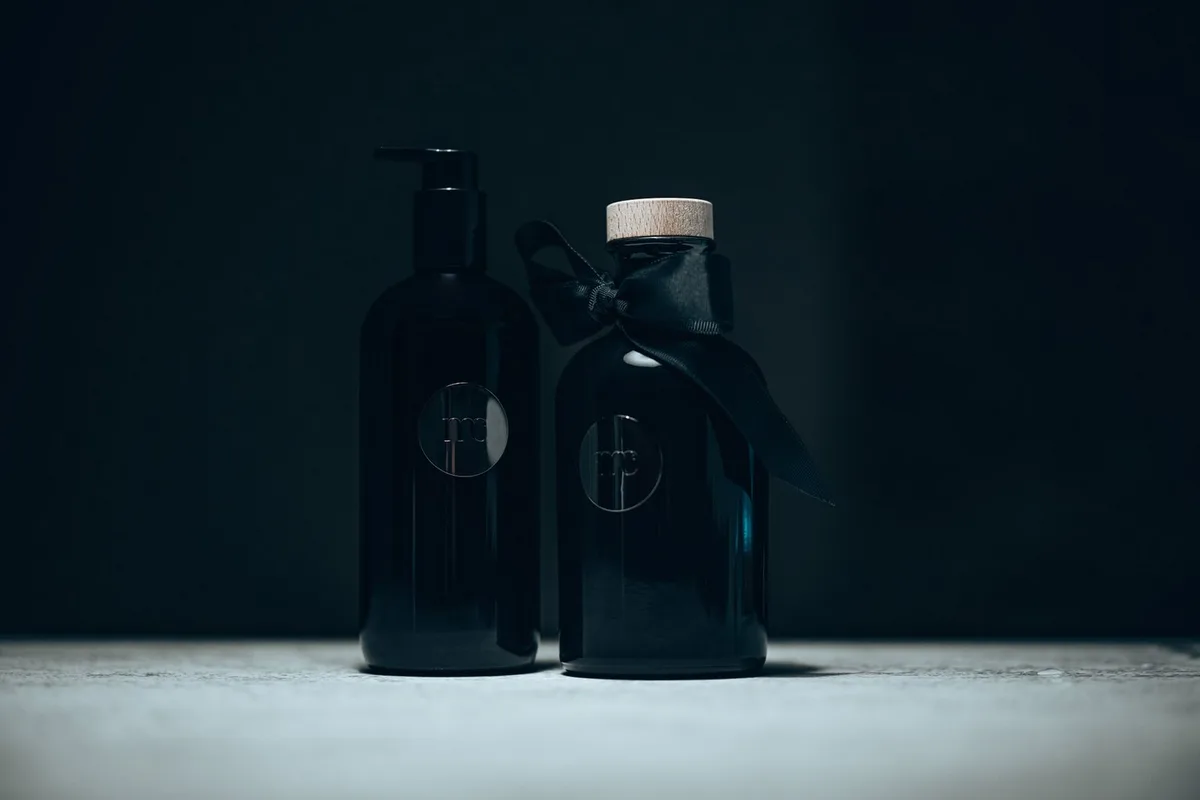
Premium bottles, natural colors, or laboratory connotations can create strong meaning for the consumer. Visual language should not position the product as a medicine or a scientifically superior solution. Current packaging is used in the shoot; readable label details must match the actual product.
The influencer's framing is also part of the brief. Showing more than the recommended portion, combining different capsules, or depicting usage not on the label can mislead. A style choice does not alter product reality.
From product file to creative idea
The first creative input for a campaign is not a trend list, but the brand's current product file. The product name, ingredients, recommended daily portion, user group, storage info, and warnings on the label are compiled into a single source. If the marketing team's old presentation contradicts the current sales page text, an influencer brief is not prepared; the correct version within the brand is finalized first.
This verification is not done to limit creative space. On the contrary, it clarifies which truths the influencer can convey in their own voice. Concrete angles like ease of use, packaging portability, product form, or the label reading experience are more understandable and manageable than vague "makes you feel good" promises. The content idea does not take on tasks the product cannot fulfill.
Preparing for post-publication questions
When supplement content is published, it won't just attract likes; questions about personal health conditions, medication use, pregnancy, child age limits, or combined use may arise. The campaign plan does not leave these to the influencer's impromptu answers. The brand defines in advance which questions can be answered with label info, which should go to customer service, and which require a healthcare professional.
The comment plan is also a method for combatting misinformation. The brand does not claim universal suitability, ask for personal data, or discuss diagnoses in public comments. A logging and escalation responsible party is designated for messages reporting safety concerns or adverse events. Thus, community management evolves from merely thanking positive comments to becoming part of product responsibility.
Separate message hierarchies for each product
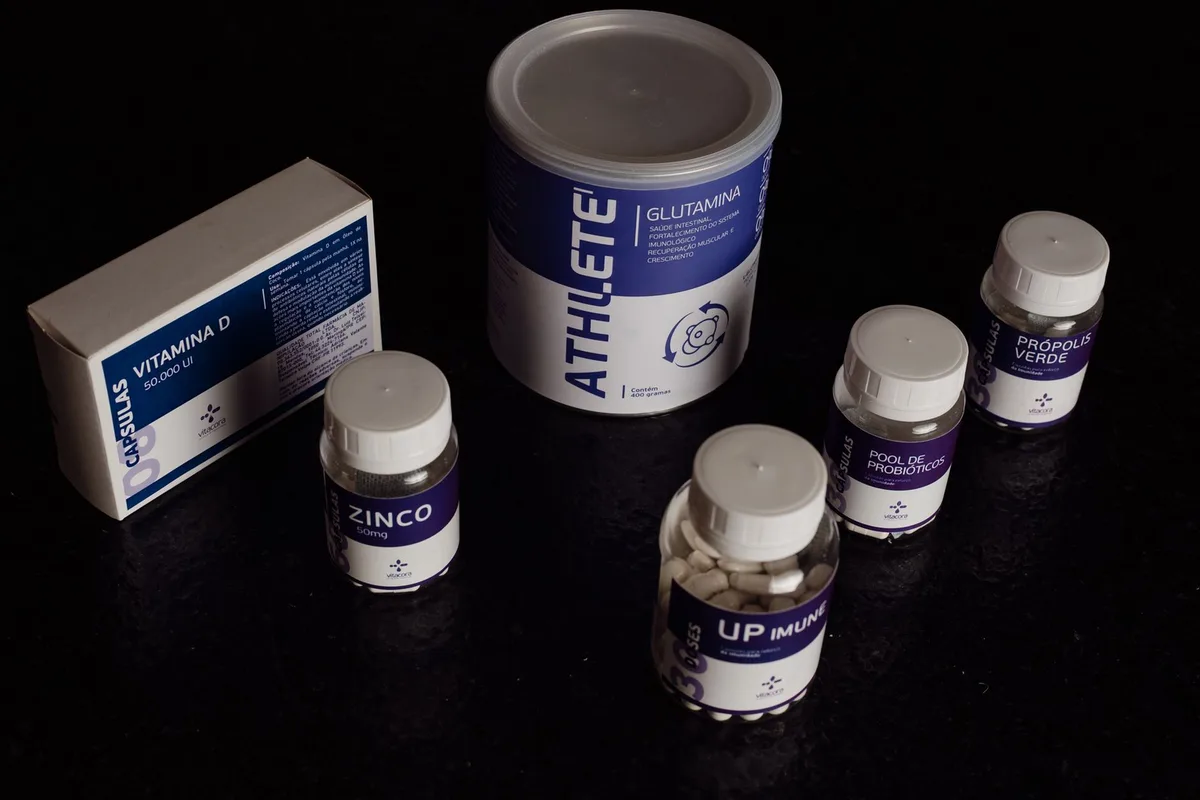
Products from the same brand may look similar but have different ingredients, portions, and user groups. Influencer selection and copy approval are handled on a per-product basis; a claim from the portfolio is not carried over to another bottle.
Which supplement brands is this approach suitable for?
Brands preparing for launch
Suitable for teams wanting to establish messaging, creator profiles, usage examples, claim boundaries, and measurement setups before introducing a product to a wide audience. Product stock and page readiness are planned alongside the launch date.
Brands segmenting their portfolio
Works for portfolios aiming to clarify who vitamin, mineral, herbal ingredient, or different form options are for, in what context, and with which verifiable features.
Teams seeking continuity
Instead of single posts, serial or ambassador models can be evaluated for brands wanting to build a content system linking education, routines, usage info, and community questions.
New or revised products
If labels, approvals, formulas, or usage info are changing, communication is only prepared after current materials are finalized. Old product copy is not carried over to new packaging.
Those seeking guaranteed results
Briefs expecting guaranteed sales, reach, virality, or health outcomes are not suitable. Campaigns strengthen controllable decisions; they do not guarantee platform distribution or individual results.
Those wanting unapproved claims
Narratives positioning the product as medicine, creating fear with disease names, or promising weight or performance results are not accepted as creative interpretations.

Read your readiness level realistically
If the brand is not ready, preparing an influencer list is premature. Label alignment on the product page, stock and delivery capacity, teams to answer customer questions, return processes, and campaign code functionality are checked first. When content generates interest, the consumer shouldn't face inconsistent information.
- Is product reality fixed? Packaging, portions, user groups, and warnings must be final.
- Is the approval owner clear? A unified feedback system for marketing, legal/compliance, and product teams must be established.
- Can demand be met? Stock and customer experience are unseen but decisive parts of the campaign.
What does the scope of service include?
In the supplement category, the scope isn't just finding influencers. Translating the product file into communication, evaluating candidates' topical histories, preserving claim language, timely draft reviews, and collecting broadcast proof are parts of a single chain. The owner and acceptance criteria for each deliverable are written in the proposal stage.
Strategy and brief
Goal, target user, product role, verified features, expressions to avoid, creative space, channels, CTAs, and measurement questions are combined in a single document.
Influencer research
Topic fit, narrative quality, community context, past collaborations, brand safety, production capacity, and commercial terms are evaluated together.
Content architecture
The question each piece of content will answer, the usage context it will show, the mandatory info it will convey, and the next step it will direct to are determined.
Operation and approval
Proposals, contracts, product shipments, drafts, revisions, broadcast dates, and required commercial disclosures are tracked; decisions are not left in scattered messages.
Rights management
Organic broadcasting, resharing, brand accounts, web, e-commerce, paid advertising, editing, raw files, duration, and region are defined as separate rights.
Reporting
Accessible platform, link, and sales data are collected with their sources. Metrics unrelated to the goal are not added as decorations; missing data is explicitly noted.
Separate what’s included from what isn’t, from the start
The influencer fee, product cost and logistics, custom production, expert opinion, lab or scientific content production, legal review, paid media budget, media buying, giveaway infrastructure and market research are not automatically included in the service on every project. The items that are needed are made visible within the scope.
The brand provides the current, accurate product documentation, a regulatory assessment, access permissions, stock information and consolidated feedback. MyFenomen runs the operation that turns the approved framework into the creator’s natural voice. If the product formula or a claim changes, the brief and any previously approved draft are reassessed.
How do we run a supplement influencer campaign?
In the process, the output of each stage is the input for the next decision. A creative brief is not written before the product file is complete, and candidates are not compared without a finalized brief. This sequence isn't bureaucracy; it's a quality control measure that prevents wrong claims from multiplying across multiple pieces of content.
Even in fast-paced campaigns, the basic record is preserved: which product version was used, why the candidate was chosen, which sentence was removed, who approved the final draft, and where and for how long the content can be used? Written decision logs make post-campaign learning and rights tracking possible.
Discovery
Business goal, product, user, channel, and constraints are collected. The primary goal and measurement question are written.
Verification
Approval, labels, claim evidence, and mandatory warnings are finalized with brand owners.
Matching
Influencer candidates are compared based on content fit, safety, capacity, rights, and commercial terms.
Production
Brief, product, and schedule are transferred; drafts are reviewed for product accuracy, disclosures, and rights.
Learning
Broadcasts and data are collected; interpreted against the goal, and next test decisions are logged.
Single point of contact, unified decision
On the brand side, the campaign owner, product/compliance owner, and final approver are determined. Multiple departments giving separate directions to the creator is prevented. MyFenomen turns feedback into a single actionable round; it ensures the influencer preserves their natural voice while mandatory product information remains intact.
From product info to learning
- Verified product
- Controlled brief
- Clear broadcast
- Sourced measurement
This flow doesn't show a performance rate; it explains the sequence in which decisions connect to each other.
Which campaign type should be selected according to the goal?
| Campaign type | Suitable situation | Core output | Critical decision |
|---|---|---|---|
| Influencer broadcast | When building a trusted context within the creator's existing community | Disclosed commercial content | Topic and audience fit |
| Content creation for the brand | When creative assets are needed for brand channels or ads | Licensed photo/video | Medium and usage rights |
| Educational series | When topics like usage, form, and label reading need step-by-step explanation | Complementary contents | Information sequence and source |
| Ambassadorship | When a long-term, consistent category relationship is desired | Periodic broadcast plan | Exclusivity and frequency |
| Expert content | When expert opinion is genuinely needed and credentials can be verified | Sourced explanatory content | Title, role, and claim boundaries |
The campaign type is determined not by choosing the most popular format, but by the level of trust and distribution required by the goal. An experience broadcasted on a creator's account, a UGC-like video delivered for the brand, and licensed content used in a paid ad do not have the same commercial value or permission set. Each usage is clearly separated in the quote.
Broadcasting for community reach
The influencer's current followers and editorial context are part of the campaign. Selection is not based solely on follower count, but on how they handle the topic, the quality of questions in the comments, past health claims, competitor relationships, and their habit of disclosing commercial content. Even if the creator has a genuine experience, this is not presented as a generalizable health outcome.
Production for brand channels
An influencer can produce a product video without publishing it on their own account. In this case, creative production is purchased, not audience reach. File format, scene, subtitles, raw footage, music licenses, editing authorization, usage duration, and advertising mediums are documented. "Natural-looking" content does not lose its commercial nature.

When is a long-term relationship meaningful?
Supplement usage may require more explanation than a single-frame product placement. The ambassador model makes repetition meaningful with creators who can build a real and consistent connection with the product. However, each post should take on a new task: explaining the product form, reading the label, showing the usage routine, or answering a frequently asked question up to the correct boundary.
In long-term agreements, category exclusivity, competitor definitions, the creator's appearance with other products, content frequency, pause conditions, and crisis communication are determined. Continuity does not mean promising health outcomes to the consumer or encouraging daily use universally; usage info depends on the product and label.
How are content formats adapted for supplement brands?
Beyond showing the product, the creative format determines which viewer question will be answered and with what level of evidence. The sentence "I used it" can explain the nature of the product; it is not proof of efficacy on its own. Before-and-afters, dramatic transformations, and fear-based problem narratives are evaluated with particular care.
Visuals, audio, on-screen text, description copy, and comment replies are parts of the same communication. A treatment claim not spoken in the video can be established by on-screen text or a pinned comment. Approval looks at the entirety of the final publication, not just the spoken script.
Routine and usage context
Shows at what time of day, in what form, and how the product is used according to the label's instructions. The scene must be realistic; the product must not be presented as a replacement for balanced nutrition, sleep, movement, or healthcare. Visual arrangements shouldn't misleadingly multiply the recommended portion.
Label and ingredient reading
The product's form, ingredient list, portion info, and mandatory warnings can be addressed comprehensibly. For a claim to be used, the product must meet the relevant condition. An influencer can simplify technical terms, but they cannot alter the meaning or expand regulatory limits with personal interpretation.
Q&A
Real questions from the community are valuable for correcting false expectations. Diagnosis, treatment, drug interaction, or personalized usage questions must not be answered by the influencer. The brand provides a boundary text directing the consumer to the label, customer service, or a healthcare professional when appropriate.
Product comparison
Form, packaging, ease of use, or verifiable label features can be compared using fair criteria. Baseless "best," "strongest," or "only effective" statements disparaging competitors are not used. If different products aren't designed for the same dose or user group, direct superiority comparisons can be misleading.

How to preserve the influencer's natural voice?
Instead of a word-for-word advertising script, the brand provides mandatory facts, permissible expressions, things not to say, and the question the content needs to solve. The influencer uses their own voice and shooting style. Draft control is not for erasing personality, but to prevent the distortion of product info and the formation of indirect health promises.
- Show, but don't exaggerate: Packaging and usage scenes can be clear; transformation results are not reenacted.
- Limit the experience: Personal opinions are not expressed as results for everyone or medical advice.
- Keep disclosures visible: Commercial ties are stated in a way that won't get lost in a pile of tags.
What decisions affect the campaign budget?
There is no universal price for a dietary supplement influencer campaign. Creator effort and broadcast value are evaluated alongside delivery count, content complexity, usage rights, exclusivity, schedule, product logistics, revisions, compliance control, and reporting scope. Generating an automatic tariff based on follower count is not a sound comparison.
Two seemingly identical quotes may contain different rights. If one offers a temporary broadcast only on the influencer's account, while the other offers resharing on the brand account, raw files, and advertising licenses, it is not the same service. Deliverables and rights matrices are compared before the total cost.
| Factor | What it changes | Information needed for a quote |
|---|---|---|
| Influencer and delivery scope | Research, negotiation, production, and broadcast workload | Candidate profile, approximate quantity, format, and channel |
| Creative production | Shooting, editing, location, and expert contribution | Expected scene, duration, technical quality, and delivery |
| Usage rights | The usage value the content provides to the brand | Medium, duration, region, advertising, and editing rights |
| Exclusivity | The creator's other business opportunities | Competitor definition, category, and period |
| Operation and compliance | Briefing, control, approval, and record-keeping load | Number of products, stakeholders, resources, and schedule |
| Paid media | Distribution, authorization, and separate reporting | Channel, media budget, account, and responsible team |
Compare quotes based on the exact same scope
The question "How much for a Reel?" is only meaningful if the creator, broadcast, deliverable, usage rights, exclusivity, and revision terms are identical. The quote table must have included, excluded, and conditional areas for every item. Instead of a vague "digital use," platforms and durations are explicitly written.
Product shipments are also planned in terms of logistics and expectations. A gifted product doesn't create an automatic broadcast obligation. In a paid collaboration, ensuring the product reaches the creator on time, in the correct variant, and with the necessary storage conditions is considered among the brand's responsibilities.
How are health claims, commercial disclosures, and rights managed?
Dietary supplement communication is prepared by jointly considering food legislation, health claim rules, the principle of not misleading consumers, and platforms' commercial content tools. The Turkish Ministry of Agriculture and Forestry clarifies that dietary supplements are not medicines and are not used for the prevention or treatment of diseases. The Turkish Medicines and Medical Devices Agency (TİTCK) manages the processes regarding the use of health claims in food and dietary supplements.
Pre-broadcast compliance flow
- Product and label
- Claim and condition
- Final content
- Disclosure and permission
Control covers visuals, audio, description fields, links, and pinned comments as much as the written text.
| Area | Control | Risky approach |
|---|---|---|
| Product identity | Approval info, current label, form, user group, and portion | Using old packaging or different formula info |
| Health claim | Meeting the allowed expression and usage condition with the product | Expanding the expression into a disease treatment or definitive outcome promise |
| Commercial tie | Indicating the collaboration with a clear, easily noticeable statement | Hiding the disclosure among many tags |
| Personal experience | Keeping the experience personal and in a limited context | Presenting one person's narrative as proof of efficacy for everyone |
| Usage right | Medium, duration, region, advertising, editing, and raw files | Assuming an organic post grants a perpetual and unlimited license |
A product gift can also be an exchange of value
Meta defines content produced in exchange for value from a business partner as branded content and may include products given for free in this scope. Using the platform tag does not eliminate the need for local commercial disclosure and industry compliance evaluation in Turkey (including Turkish Advertising Board rules). The disclosure must be clear enough for the viewer to understand the commercial relationship at the beginning of the content.
Telling the content creator "it's your own experience, say what you want" does not absolve the brand of responsibility. The brand brief must include examples of prohibited expressions and guidance boundaries. When legal or scientific interpretation is required, competent consultant opinions are sought; the operations team does not replace this expertise.
How is performance measured and interpreted?
Measurement is not a list of numbers found at the end of a campaign, but a decision system built at the start. Goals like awareness, completing product education, qualified site visits, add-to-carts, or sales require different metrics and data access. Reporting all numbers with the same level of importance without writing a primary goal does not produce actionable decisions.
Platform data, link analytics, discount codes, and e-commerce records measure different events. A view is not a purchase; and code usage doesn't capture the impact of everyone who saw the code. Data windows, sources, and attribution limits are stated in the report. Influencer content alone cannot be evaluated separately from the product, price, stock, site, and delivery experience.
| Goal | Primary question | Possible data source | Interpretation limit |
|---|---|---|---|
| Awareness | Was the content distributed in the targeted context? | Platform insights | Impression is not persuasion or a health benefit |
| Education | Did the audience start asking the right questions? | Watch time, saves, comment themes | Comments do not represent the entire audience |
| Traffic | Did the referral bring qualified sessions? | UTM and web analytics | Depends on permissions and attribution windows |
| Sales | What was the trackable commercial action? | Code, e-commerce, and return logs | Price, stock, and site experience also play a role |

Establish comparable data
When comparing content, differences in broadcast time, format, creator size, paid support, and targets are noted. The highest view count isn't automatically the best sales content; a low-reach explainer video can produce different value as a licensed asset on a product page. Each deliverable is evaluated in its own role.
The report answers "what did we learn?" and "what will we change in the next trial?" alongside "what happened?". Guaranteed results are not provided. Learnings can translate into a new content angle, a more suitable creator profile, clearer CTAs, an improved product page, or a narrower measurement question.
How do subcategories and product forms change the approach?
"Dietary supplements" is not a uniform communication space. Vitamins and minerals, herbal ingredients, probiotic products, fatty acids, proteins, or different combinations diverge in terms of user questions, product forms, and claim conditions. A sentence appropriate for one product is not automatically carried over to another product from the same brand.
Simplifying label info
Info like ingredients, portions, and nutritional reference values are conveyed with the correct units. Higher amounts aren't always presented as better; user groups and warnings are preserved.
Traditional association limits
Botanical origin isn't taken as proof of inherent safety or treatment efficacy. Botanical names, extract info, and usage areas are pulled from the brand's current file.
Strain and product accuracy
Instead of general gut health rhetoric, the product's actual composition and permitted expressions are checked. Storage, form, and usage conditions are not distorted in creative content.
Preserving category distinction
Not all sports foods are dietary supplements. The product class is verified; baseless promises for physical transformations, weight, muscle, or performance results are not used.
Sensitive targeting
Conditions like pregnancy, nursing, illness, or medication use fall into the realm of personal advice. Consultation warnings on the label are visibly preserved.
Verifying age groups
The product's approved age group, packaging, and usage info form the baseline. Fear narratives that amplify parental anxiety or direct purchase pressure on children are avoided.
Don't cram the portfolio into one message
In multi-product brands, every influencer doesn't need to explain the whole portfolio. The creator's lifestyle context is matched with a product question; the content focuses on helping a decision be understood. If multiple products are shown in the same scene, whether it creates an impression of suggested combined use is also evaluated.
Subcategory differences also change influencer selection. An account producing sports content is not automatically suitable for a children's product or a sensitive life stage. In campaigns using expert titles, professional competence and the commercial nature of the content are clearly stated; a title doesn't legitimize an unpermitted claim.
Common mistakes in supplement influencer campaigns
- Making followers the only criteria: A large account doesn't guarantee topical trust or accurate narratives. Content history and brand safety are examined.
- Expanding the claim list: Turning permitted claims into treatment or definitive outcome promises just to be striking increases risk. Texts are reverted to the source.
- Assuming gifts are ad-free: Content in exchange for a product can also create a commercial tie. Disclosures are planned with platform tools and local rules.
- Giving the same text to everyone: Copied scripts reduce creator trust and creative learning. Mandatory facts stay fixed, but narratives remain unique to the creator.
- Leaving rights ambiguous: Assuming organic broadcasts grant unlimited use for ads, web, and marketplaces causes disputes. Mediums and durations are written down.
- Tying sales solely to content: Ignoring the impact of stock, price, site, promotions, and delivery produces flawed results. Data limits are maintained in reports.

Don't pay the price for speed with false claims
The pressure of trends or campaign dates is no excuse for skipping basic verification. The most expensive mistake isn't just a delayed post; it's false product information multiplying across different accounts, screenshots becoming permanent, and consumers understanding the product as medicine. If speed is needed, the number of deliverables is reduced, not the decision chain.
When an error is spotted
- Stop the broadcast
- Determine scope
- Approve correct info
- Log the correction
Brief and pre-broadcast checklist
Before starting
- Are the product name, approval number, and current label verified?
- Are the target user and approved age group clear?
- Are the claims to be used and their conditions documented?
- Have disease, treatment, and definitive outcome statements been excluded?
- Are the primary campaign goal and measurement source clear?
- Are influencer selection criteria and risk screening defined?
- Are organic broadcasting, file delivery, and advertising rights separated?
- Are product logistics, stock, and customer service ready?
Before broadcast and delivery
- Are the final video, audio, text, and description approved together?
- Are product packaging and usage instructions accurate?
- Is the commercial relationship disclosure easily noticeable?
- Is personal experience being presented as a generalizable result?
- Are mandatory warnings and directions preserved?
- Are music, visual, and third-party permissions complete?
- Are broadcast links, codes, and tracking tags working?
- Are data delivery and content rights durations logged?

Keep evidence of control
Instead of just an "approved" note, the reviewed draft version, product document, feedback date, and final approver are logged. After publishing, links, screenshots, description texts, and delivered data are kept in the same campaign file.
This log prevents context from being lost when teams change; it reduces the risk of accidentally reusing an old claim or an expired usage right in the next campaign.
Basic terms used in quotes and briefs
- Dietary supplement
- A food category intended to supplement normal nutrition, containing concentrated sources of specific nutrients or other substances, presented in specific forms and doses.
- Health claim
- A statement that states, suggests, or implies a relationship between a food, food group, or ingredient and human health.
- Nutritional claim
- A statement asserting that a food has a particular beneficial nutritional property due to its energy, nutrient, or other components.
- Brief
- A working document that collectively defines the goal, user, product reality, creative task, prohibited areas, delivery, and measurement.
- Influencer
- A content creator broadcasting with their own editorial voice and community; they must explicitly state the relationship in commercial collaborations.
- Branded content
- Platform content produced in exchange for value with a business partner, or influenced by that partner.
- Organic broadcast
- A post published via normal distribution on a creator's or brand's account; it does not inherently include paid advertising rights.
- Usage right
- Contractual permission determining in which mediums, for how long, in which region, and for what purpose content can be used.
Use terms with the same meaning throughout the quote
If terms like "broadcast," "delivery," "advertising right," and "raw file" are interpreted differently among teams, mismatched expectations occur at the end of the campaign. Every term in the quote is tied to concrete mediums, durations, and responsibilities.
This shared language is also important on the product side. Brand name, product name, form, ingredients, and claims are not used interchangeably; simplified expressions by the influencer preserve the approved meaning.
- Exclusivity
- A condition restricting the creator's competitor collaborations during a defined period and category.
- UGC-like content
- Commercial content prepared with creator aesthetics that can be used on brand channels; it is not spontaneous consumer review.
- CTA
- The clear next action expected from the viewer: such as reviewing product info, going to a link, or asking a question.
- UTM
- Link parameters used to distinguish the campaign and source in web analytics.
- Attribution window
- The defined timeframe within which an event occurring after an interaction is attributed to the campaign.
- Revision
- A comprehensive and logged round of changes made to a draft concerning brief alignment, accuracy, or technical delivery.
- Raw file
- Original footage or audio recordings separate from the final edited delivery; delivered only if explicitly agreed upon.

Rehearse questions before broadcast
The team pre-lists difficult questions consumers might ask and designates a response owner for each. This prevents the influencer from being drawn into giving personal health advice or the brand account from giving contradictory answers.
Frequently asked questions about dietary supplement influencer marketing
What is supplement influencer marketing?
It is a campaign process that combines a dietary supplement brand's goals, suitable content creators, verified product information, creative content, commercial disclosures, usage rights, and measurement into a single operation. It is not just sending products or having a famous account post.
A good scope clearly defines the product identity, allowable claims, influencer's role, broadcast channel, approval responsibilities, and data sources upfront. No health outcomes or sales guarantees are provided.
Can influencer ads be made for dietary supplements?
Yes, influencer marketing can be planned provided that the product and communication comply with current regulations. Product approval, label, target user, claims, and commercial disclosure must be checked together.
The content cannot portray the product as medicine; it cannot give the impression that it prevents, treats, or cures a disease. An authorized compliance review may be required for specific campaigns.
What is the difference between a health claim and personal experience?
A health claim is a statement that indicates or implies a relationship between a product or ingredient and human health. A personal experience like “It did this for me” can also imply a health outcome depending on the context; being personal does not automatically make it a free statement.
The experience cannot be broadened to promise the same result for everyone, linked to a disease state, or presented like scientific evidence. The final text and image are evaluated together.
How many influencers should we work with?
There is no universal number. The goal, target audience diversity, product portfolio, number of creative hypotheses, budget, approval capacity, and measurement infrastructure are evaluated together.
Rather than giving the same text to many irrelevant accounts, starting with a smaller group that can address different questions can be more explanatory. The exact scope is determined after the brief.
Is follower count sufficient for selection?
No. Follower count provides a limited indication of potential distribution; it is not a guarantee of product fit, credible storytelling, or results. Topic history, community context, engagement quality, health claim habits, production quality, and brand safety are examined together.
If demographic data is inaccessible, estimates are not presented as facts. How the candidate disclosed previous paid content is also considered in the selection.
Is it mandatory to work with a doctor, dietitian, or pharmacist influencer?
It is not mandatory for every campaign; it depends on the goal and the level of expertise required by the content. Because an expert title can create stronger trust and influence on the consumer, the role, competence, and commercial relationship must be disclosed more carefully.
The involvement of a healthcare professional does not make an unpermitted claim correct. Personalized diagnosis or treatment advice is not the goal of campaign content.
Does sending a product guarantee a post?
No. A gifted product does not create an automatic broadcast obligation unless there is a prior written broadcast agreement. The purpose of sending the product, delivery address, timing, and possible publication expectations must be clearly discussed.
If the post occurs as part of an exchange of value, the commercial relationship must be disclosed. A product gift also does not give the brand the right to use the content unlimitedly.
Can we approve influencer content before it is published?
Yes, the draft and approval workflow can be defined in the contract. Control focuses on product accuracy, health and nutritional claims, mandatory warnings, advertising disclosures, brand safety, and technical delivery.
Turning every word into a corporate script can weaken the influencer's natural narrative. The number of revisions, feedback time, and reshoot conditions are determined at the beginning.

Can an influencer say "it made me more energetic"?
This statement may imply a relationship between the product or ingredient and health; it shouldn't be taken out of context and considered a free expression. Every benefit statement intended for use must be evaluated by the brand compliance team based on the product's composition, permitted claims, and claim conditions.
A personal experience tag doesn't fix a non-compliant promise. The meaning of an approved statement is not expanded just for the sake of more striking copy.
Can before-and-after visuals be used?
Before-and-after narratives portraying a supplement product as the cause of a definitive physical or health-related transformation carry a high risk of misleading and are generally not a suitable starting point. The visual can indirectly promise weight, skin, hair, performance, or treatment outcomes.
Verifiable demonstrations such as product packaging, form, label reading, or actual usage routines are preferred. Specific usage must undergo authorized review.
How should the advertising or collaboration disclosure be made?
The commercial relationship must be indicated with a clear and understandable statement that the average viewer will easily notice. The disclosure must not be left ambiguous at the end of long copy or hidden among numerous tags.
If the platform has a paid partnership tool, it is used; however, the tool does not replace the responsibility for local advertising disclosures and industry compliance (like Turkish Advertising Board rules). Visibility is considered separately for live streams, stories, and short videos.
Can we use the influencer video in ads?
Only if paid advertising usage is explicitly granted in the contract. An organic post does not automatically provide the brand with an advertising license. The scope of medium, duration, region, targeting, editing, subtitles, music, and identity usage must be written down.
Even if in-platform authorization is technically obtained, contractual permission is checked. When the ad period expires, the campaign and copies are stopped.
How long does it take to prepare a campaign?
The duration varies based on the preparation of product documents, number of candidates, influencer availability, contracts, product shipment, shooting complexity, compliance review, and revision rounds. It is not accurate to give a fixed number of days without seeing these inputs.
When a target broadcast date is shared, decisions and deliveries are planned backwards. In a very tight schedule, the scope is narrowed instead of removing control steps.
Do you guarantee sales or virality?
No. Numerous variables such as distribution, creative performance, product, price, competition, stock, website, promotion, and consumer preference affect the result. MyFenomen manages the controllable strategy and operational decisions of the campaign.
The measurement question and data source are written at the start; results are reported with their limitations. Past performance also doesn't guarantee future results.
Is a discount code alone sufficient for sales measurement?
No. A code can show transactions completed with the code; it alone does not explain transactions where people saw the content but didn't use the code, bought from another channel, or returned the item. Code sharing or other campaigns can also affect the data.
It is evaluated alongside UTM, e-commerce, stock, return, and period data. The attribution approach used is clearly stated in the report.
What should be considered in supplement content aimed at children?
First, the product's approved age group and label info are verified. Communication is not established by scaring parents, creating guilt, or directly directing the child to purchase. The product is not presented as a solution replacing normal nutrition.
If images of children are to be used, parental consent, privacy, working conditions, and content rights are separately arranged. Usage outside the age group is not implied.

Consider question traffic as part of the campaign
The content creator is not a product support line. Along with the broadcast, the brand account and customer service must be ready for questions regarding label info, orders, storage, and complaints. Messages requiring personalized health advice are directed to the appropriate professional channel.
Repeated questions can be an input for the next content plan; however, comment volume is not presented as market research. Personal health data is classified at the topic level without being copied into the report.
How should negative comments be managed?
Comments reporting product safety, misuse, or adverse events should not be deleted like ordinary reputation issues. The brand must have a written escalation protocol to direct these to quality, customer service, and, if necessary, authorized reporting processes.
The influencer does not diagnose, give medical advice, or solicit personal health info in public spaces. Harassment and spam are managed with separate moderation rules.
Can we show multiple products in the same content?
Yes, but it must be evaluated whether it creates the impression that the products should be used together or produce stronger results. Each product's user group, portion, and warnings can be different.
If a portfolio showcase is to be prepared, the overarching message is kept general enough not to distort product reality. If a combined use recommendation is needed, explicit evaluation from brand compliance and product teams is obtained.
What information should we share to get a quote?
Brand and product description, current product/label documents, primary goal, target user, planned period, channel, approximate content or influencer scope, usage rights, budget framework, and measurement expectations are a good start.
Mandatory claims, expressions to avoid, past learnings, stock status, and approval stakeholders are also shared if available. Missing points are completed in the discovery meeting; an exact price is not fabricated without seeing the scope.
Did this page help you make a decision?
Your selection is only shown on this page; it is not sent to the server.
Sources and scope
The following primary sources were checked on September 30, 2026, for product approval, health and nutritional claims, dietary supplement labels, influencer ad disclosures, and platform branded content definitions. Sources support the general framework; they do not replace authorized opinions for a specific campaign.
- Ministry of Agriculture and Forestry — Dietary Supplements
- Ministry of Agriculture and Forestry — Supplement product claims
- TİTCK — Health Claim Portal
- Official Gazette — Regulation on the Use of Health Claims in Food and Dietary Supplements
- Official Gazette — Nutritional Claims Regulation
- Turkish Food Codex — Dietary Supplements Communiqué
- Ministry of Trade — Social Media Influencers Guide
- Meta — What is branded content?
