
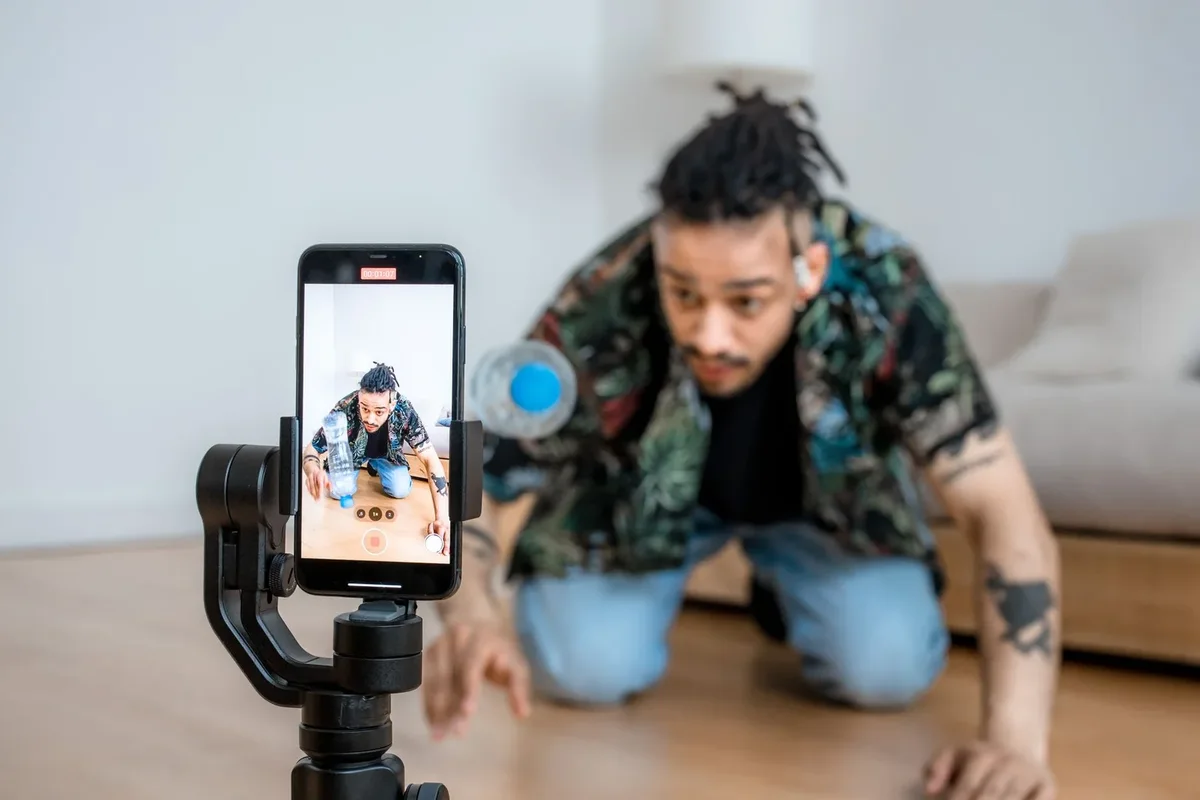
Solving a brand's continuous need for short videos isn't just about shooting more files. Content created without understanding the specific usage context, the audience objections it must overcome, or where it will live may look aesthetic, but it will fail to perform its duty. We don't start with camera specs; we start with the strategic decisions your content portfolio needs to address.
Before the call
- Define the product, target audience, and the primary communication challenge you want the video to solve.
- Identify where the content will be used: brand account, product page, ads, or creator account.
- Determine verified product information, claims to avoid, and the final approval stakeholder.
- If timelines and budgets are flexible, share your priorities so we can build tailored scope options.
Who is UGC and short video production for?
Teams needing continuous creative assets
Brands with an ongoing need for social media, ad, and product page videos can build a structured portfolio that answers different audience questions, rather than relying on one-off shoots.
Brands showcasing products in use
For products where the value is better understood through application, routines, screen recordings, comparisons, or storytelling rather than just packaging, creator-led video is a powerful solution.
Those seeking fake testimonials or guaranteed virality
Projects demanding creators to narrate experiences they haven't had, hide commercial ties, or expecting guaranteed sales and viral reach fall outside our ethical scope.
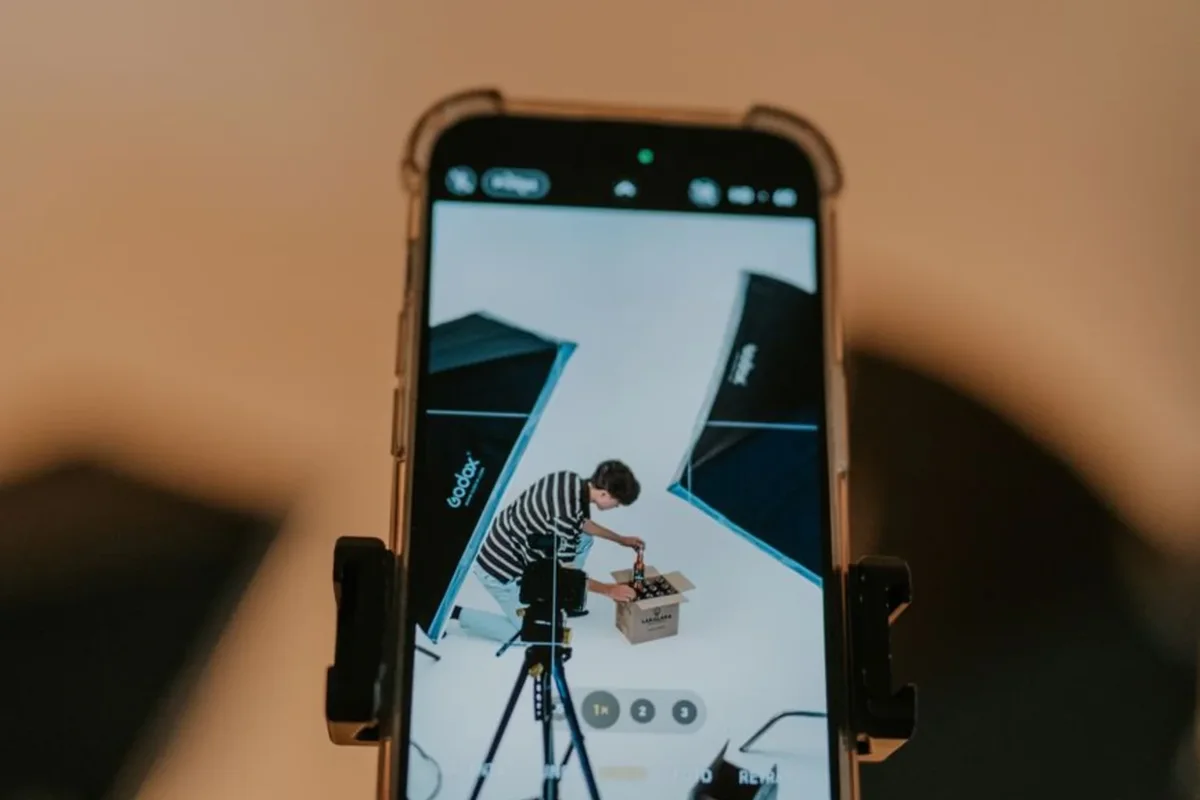
Readiness means more than having a product
The brand must have approved product information, correct samples, demonstrable features, and functional landing pages ready. Generating viewer curiosity only to direct them to an out-of-stock variant, a broken link, or an incomplete product description severely limits the value of production.
Designating a single approval authority within the team is also part of preparation. Marketing can evaluate the creative goal, product teams the accuracy, and legal/compliance the sensitive claims; but the creator must not receive contradictory feedback. Consolidated feedback preserves both natural delivery and the timeline.
- Ready to start: Authentic product value is defined, usage scenarios can be shown, and content channels are identified.
- Requires more prep: If positioning, packaging, pricing, or core claims are still shifting, production decisions will remain tentative.
Which creative formats are used in short videos?
Format is more than just choosing a "talking head" or a "product shot." The initial question the viewer brings to the video, when the product is introduced, what evidence supports the claim, and the desired action at the end are all designed together. The same brand may employ different formats for different stages of the decision-making process.
Shooting plans account for vertical framing, safe zones to prevent interface overlap, and subtitle placement. Google recommends vertical videos for Shorts ads and offers a safe zone checker so important elements aren't covered by the UI. TikTok similarly advises keeping the product and core message away from static interface elements. Technical previewing is an integral part of the creative idea.
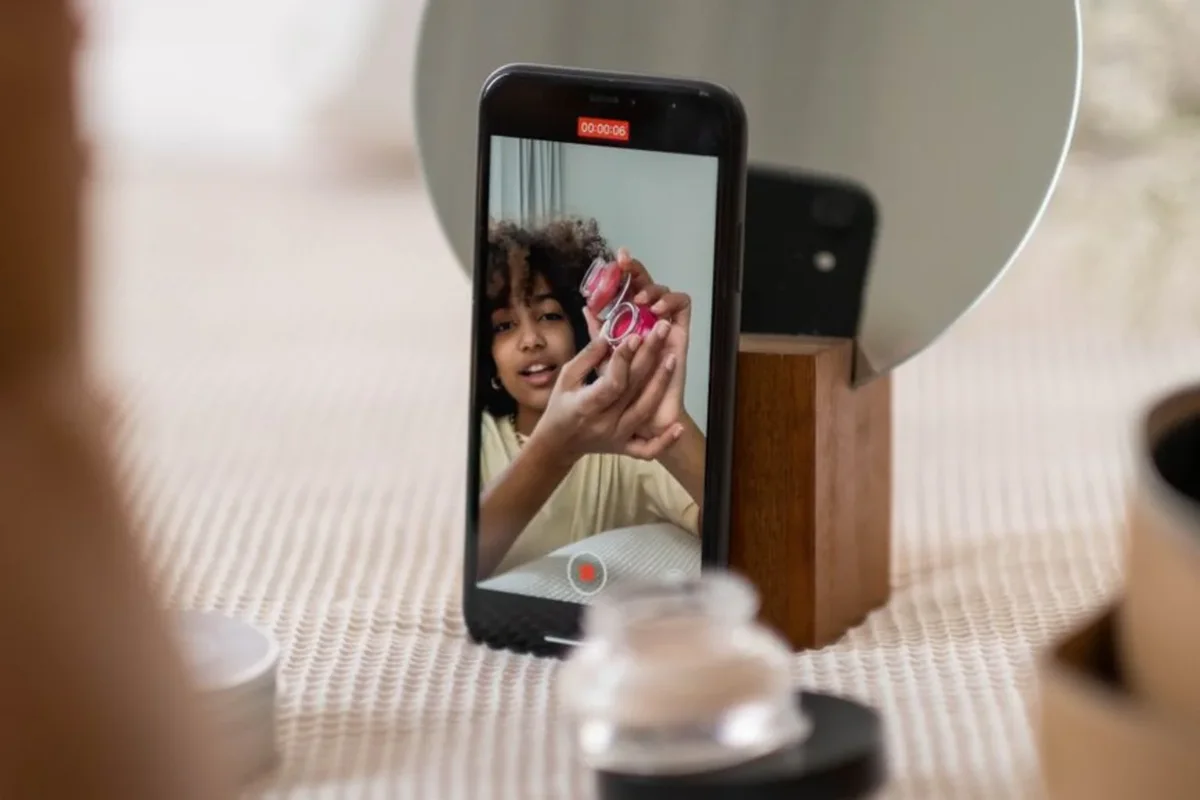
Experience and product demonstration
The product is used within a real-world task. The packaging, setup, application, texture, screen flow, or final outcome becomes visually apparent. The creator does not generalize their personal experience or narrate benefits that aren't demonstrated in the footage. Showing the product does not serve as proof for unverified claims.
Problem, objection, and solution
The video opens with a hurdle familiar to the target audience. The product's role is presented without exaggeration; real objections such as price, difficulty of use, compatibility, or habits are addressed. The edit does not artificially inflate the problem nor present the product as the only possible solution.
Listicle and explanatory narrative
Selection criteria, steps, or commonly confused features are organized. Each point must deliver genuinely distinct information; the screen shouldn't just display a title alone. If comparisons are made, they use similar conditions and verifiable criteria. Absolute terms like "best," "only," or "guaranteed" are excluded from the script without substantiated proof.
Founder, employee, or expert narrative
Insights on why a product was developed, how a process works, or answers to technical questions can come from within the company. On-camera preparation focuses on simplifying speech blocks rather than memorizing a script. The individual's actual title and area of expertise are accurately stated.
Aesthetic product and lifestyle edit
Showcases the product through environment, movement, and detail shots, often complemented by voiceovers or on-screen text. This format provides a strong visual presence but shouldn't masquerade as a user experience. If actors, models, or creators are required, their roles are accurately framed in both the contract and the narrative.
| Format | Question Answered | Required Proof | Primary Risk |
|---|---|---|---|
| Demo | How is it used? | Real application steps | Cutting out critical conditions |
| Experience narrative | How does it fit daily life? | Creator's genuine experience | Generalizing a personal outcome |
| Objection response | What stops the decision? | Accurate product and condition data | Trivializing the problem |
| Expert explanation | Why, and with what limits? | Actual competence and source | Claims exceeding authority |
What determines the UGC and short video budget?
Providing a fixed price for UGC is inaccurate. Creative development, creator effort, the product's shooting difficulty, deliverable quantity, edit variations, usage rights, publishing, exclusivity, logistics, and approval workloads are separate cost dimensions. Videos of the same duration may require vastly different preparation and licensing.
When comparing proposals, do not solely look at the final file count. If one proposal includes scripting, subtitling, and ad usage rights, while another only covers raw shooting, you are not comparing the same scope. The creator's role, deliverables, rights, revisions, product logistics, and media responsibilities should be evaluated across the same columns for every option.
| Budget Factor | What Does It Change? | Decision Needed for Proposal |
|---|---|---|
| Creative development | Research, ideation, scripting, and shoot direction effort | Ready brief or scratch development? |
| Creator profile | On-camera presence, expertise, location, and production capacity | Role and selection criteria |
| Shooting complexity | Prep, equipment, location, talent, and reshoot needs | Scenes to be shown and technical requirements |
| Deliverable structure | Number of master edits, cuts, subtitles, ratios, and raw files | Channel and file list |
| Usage rights | The content's platform, duration, region, and ad value | Where, how long, and how will it be used? |
| Timeline and logistics | Product shipping, approvals, reshoots, and coordination | Product readiness and actual launch date |

Prioritize based on rights and deliverables
If the budget is limited, rather than scaling down every item equally, select an objective. A deeper product demonstration with fewer creators, more hook variations, production solely for organic channels, or a smaller portfolio with ad rights are distinct options. Paying for broad rights you won't use is as inefficient as scrambling to secure ad permissions later.
Clarifying conditions for cancellations, product delays, wrong variants, creator swaps, extra revisions, and reshoots also reduces cost ambiguity. MyFenomen builds proposals not around a vague average price, but by making the actual tasks and limitations transparent.
Usage rights, ad disclosures, and permissions
Receiving the video file does not automatically grant all usage rights. The Turkish Ministry of Culture and Tourism's General Directorate of Copyright explains that financial rights are independent of each other; rights to process, reproduce, distribute, perform, and communicate to the public hold distinct characteristics. UGC contracts specify the exact platforms, periods, regions, editing, and sub-licensing needs.
When commercial content is published, both platform tools and local advertising rules are considered together. Meta classifies content influenced by a business partner in exchange for value as branded content, requiring a paid partnership label. TikTok also mandates the use of commercial content disclosure settings when promoting a brand, product, or service. Regulations in Turkey require posts involving material benefits to include clear statements indicating their advertising nature. These layers must be addressed before the video goes live.
Layers checked together
- Product accuracy
- Copyright and personal permissions
- Commercial disclosure
- Platform policy
Boundaries that must appear in the contract
- Delivery: Which of the master edits, cuts, subtitles, thumbnails, raw footage, and project files will be provided.
- Usage: The separate statuses for the brand account, web, e-commerce, email, in-store, ads, and the creator's account.
- Transformation: Authority to cut, subtitle, alter audio, resize, and merge with other content.
- Likeness: Contexts in which the creator's name, face, voice, and performance can be used.
- Third parties: Required permissions for music, locations, featured individuals, artworks, packaging, and personal data on screen.
| Decision Area | Written Scope | Proof of Control |
|---|---|---|
| Organic use | Account, platform, duration, and post type | Approved file and live link |
| Paid media | Platform, ad account, duration, and edits | Rights record and campaign creative ID |
| Commercial disclosure | Platform label and visible compliant statement | Pre-publish preview |
| People and data | Featured persons, purpose, scope, and duration | Valid legal basis and permission record |
| Music and artwork | License platforms and usage types | License or platform compliance |
How is UGC performance measured and improved?
Measurement isn't about randomly collecting metrics after file delivery; it aims to evaluate the video's designated role. One video might explain what the product is, another might reduce objections, and a third might strengthen initial ad contact. Judging all of them solely by total views overlooks their specific creative duties.
The organic brand account, creator account, ad platform, and web analytics are distinct data sources. Raw numbers should not be compared side-by-side without knowing the timeframe, media support, targeting, placement, and attribution approach. Inaccessible data should not be recorded as zero. A report explains what outcome was observed and what creative decision can be drawn from it in separate sentences.

Representative evaluation: Not the winning file, but the clarified variable
Consider a hypothetical example lacking real customer outcomes: Two videos for the same product—one opens with usage steps, the other with a common objection. If ad distribution and targeting conditions are unequal, we cannot attribute the performance difference solely to the hook. Even when conditions are comparable, the next step isn't to just copy the entire video, but to determine which variable to retest.
High views do not automatically prove business results; lower views do not render content worthless. An explanatory video overcoming pre-conversion hesitation on a product page serves a different purpose than an entertaining video in a social feed. When the content library is tagged by objective, theme, creator, rights, and outcome notes rather than just file names, reuse and learning become much easier.
From measurement to new production
- Video role
- Comparable data
- Creative insight
- New brief
How does the short video approach change by industry?
Applying the UGC aesthetic doesn't mean using the same script for every industry. The product's demonstrability, purchase decision process, required expertise, physical logistics, personal data risks, and regulatory levels alter the necessary creative proof. The areas below aren't definitive prescriptions, but distinct sets of questions to ask before quoting.

The category dictates the required proof
In beauty, texture and application stand out; in food, preparation and serving; in tech, screen flow and task execution; in home goods, assembly and daily use; in fashion, movement and styling; in travel, locations and service flow. Even highly visual categories do not permit unverified performance promises.
Creator matching is also not done solely by category tags. A technical product requires accurate terminology, an everyday product needs natural usage habits, and a sensitive service demands careful boundary articulation. A creator might have great on-camera energy but still need support for the accuracy the product demands; the brief must provide this support.
Beauty and personal care
Narratives around application, texture, and routines are valuable. Filters, before-and-afters, health connotations, generalizing personal outcomes, and correct usage warnings are scrutinized carefully.
Fashion and accessories
Fit, movement, materials, styling, and different usage contexts can be demonstrated. Sample logistics, returns, visibility of other brands, and creator editing rights are planned.
Food and beverage
Preparation, taste, and serving stories can take center stage. Allergens, nutritional or health claims; hygiene, availability, and campaign-specific product details are verified.
Tech and electronics
Real tasks, screen recordings, and outcome flows are utilized. Risks regarding demo data, personal information, device compatibility, paid features, and interface changes during campaigns are managed.
Home, living, and retail
Assembly, dimensions, storage, and daily routines can be shown. Location safety, appearances of other people, product variants, and store information accuracy are checked.
Health, finance, and sensitive areas
Standard creative approval may not suffice. Competence, claim proof, risk disclosures, target audience, platform policies, and local regulations are reviewed by authorized teams.
For services, instead of showcasing a physical product, the invisible process must be materialized. Screen flows, appointment prep, delivery methods, FAQs, or the real roles of employees can be narrated. Customer data, confidential documents, and internal screens are cleared from the frame beforehand; if a mock interface is used, it must be stated that it is not real account data.
In multi-product retail, rather than applying a single script to the entire catalog, a product family logic can be established. Products sharing the same usage decision are grouped into a common shooting style; products requiring distinct proofs are separated. If season, packaging, or price changes are expected, the maintenance cost of hardcoding variable information into long-term usage videos is evaluated.
Common mistakes in UGC production
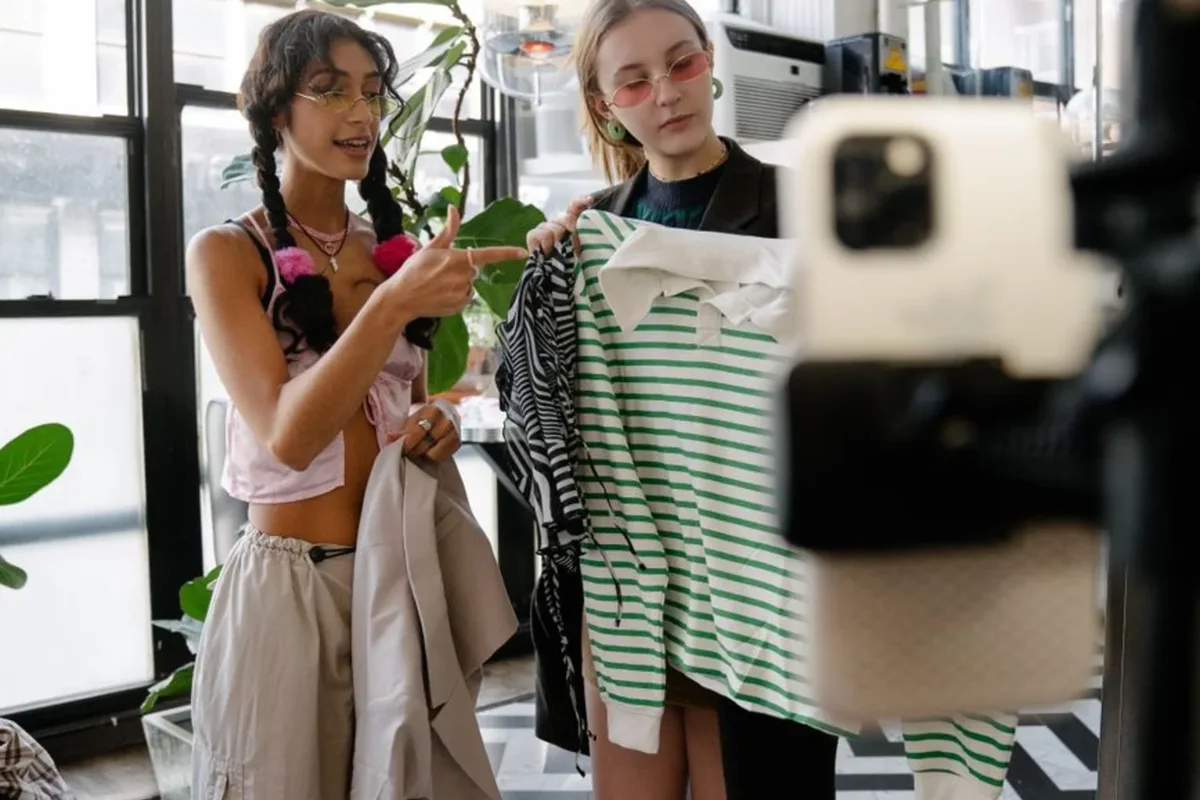
Mistakes usually happen before the camera rolls
If authentic product value, the content's role, or usage rights are ambiguous, a good shoot won't fix the deficit. The most common issue is using the request "just be natural" as a substitute for actionable creative direction. While granting the creator freedom, the goal, proof, and claims to avoid must be explicitly clear.
The second major issue is expecting a single video to serve all channels and goals. Product page descriptions, organic social content, and ad hooks function in different contexts. Shared footage can be used, but the deliverables must be adapted to the interface, audience, and desired action.
- Mistaking UGC for fake reviews: Presenting commercial production as a spontaneous customer post creates trust and compliance risks. Roles and relationships must be disclosed correctly.
- Choosing creators on looks alone: Narrative skills, product affinity, shooting conditions, and the ability to execute a brief are left out. Candidates must be evaluated on the actual task required.
- Dictating every word: The natural speaking rhythm turns into an ad script. The brand provides the product reality and boundaries; the creator establishes the authentic expression.
- Asking for rights after delivery: Ad or web usage can incur new permissions and costs. Platforms, durations, and editing permissions must be written down before the shoot.
- Confusing variants with file count: Meaningless minor tweaks do not yield tests. Every variant must be tied to a distinct hypothesis or placement need.
- Comparing data without context: Results from different budgets, targeting, periods, and placements don't solely reflect creative quality. Comparison conditions must be recorded.
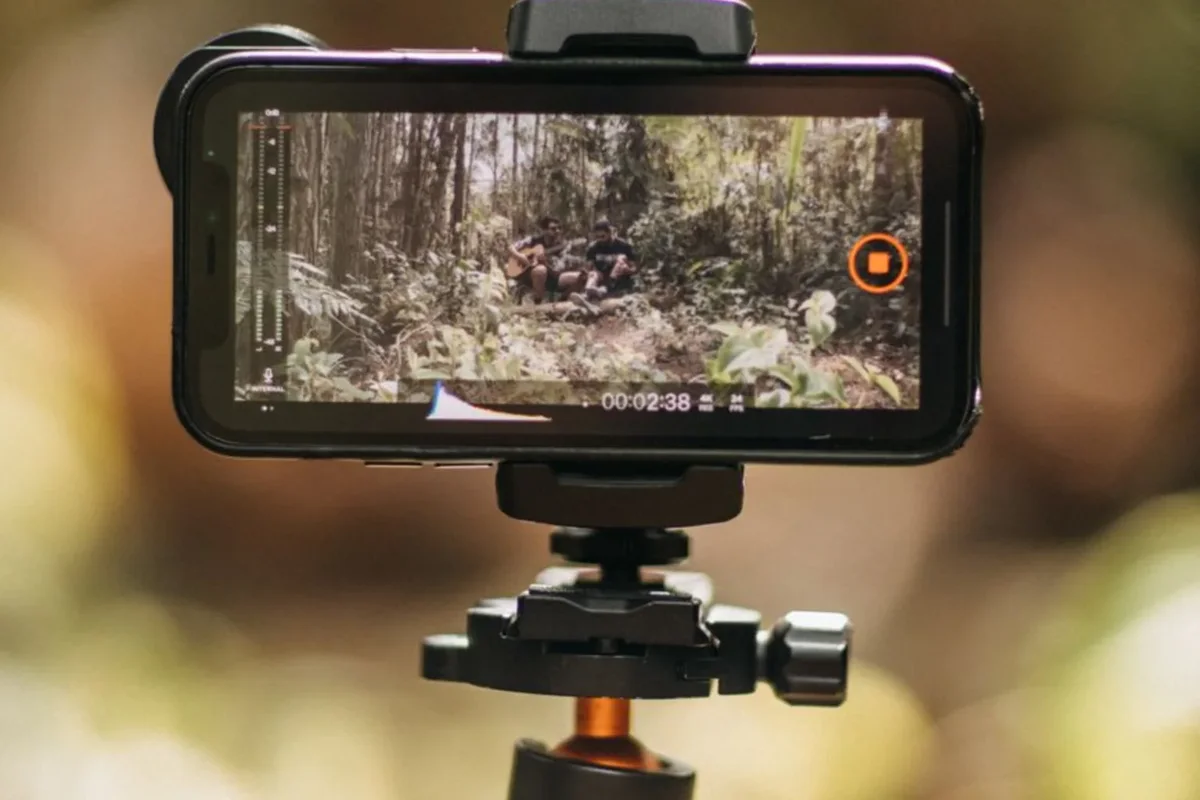
Don't remove validation layers for the sake of speed
Short videos are consumed quickly; production decisions shouldn't be rushed and careless. Questions like "Is it the correct product variant?", "Is the feature in the script current?", "Is the on-screen text legible?", and "Is the audio licensed for this use?" are answered before the shoot. A quick pre-check is far more manageable than reshooting the entire scene after delivery.
When an error occurs, correct the cause, not just the file. If an inaccurate information source, an unclear approval authority, or an incomplete shooting note isn't updated, the same issue will repeat with the next creator.
Fix the fundamental decision first
- Authentic product value
- Video role
- Usage context
- Creator direction
Startup and delivery checklist
A checklist does not replace a brief or contract; it makes missing decisions visible early. Every item must have an owner, required proof, and a deadline. The term "approved" is not an operational record unless it specifies which version was approved, by whom, and under what scope.
If the product or goal changes during production, completed items aren't silently updated. The impact of the change on the script, shoot, deliverables, rights, and timeline is evaluated. This prevents the team from proceeding on outdated assumptions or the creator receiving conflicting directions at the last minute.
Before kickoff
- Is the primary goal and the audience question the video will solve clear?
- Are the correct product, variant, usage instructions, and verified information ready?
- Are the creator role, selection criteria, and limits of genuine experience defined?
- Are the creative angles distinct from one another?
- Are deliverable formats, channels, rights durations, and ad needs documented?
- Are product logistics, the approval authority, feedback turnaround times, and reshoot conditions set?
Before publish and delivery
- Does the video match the approved product info and creative direction?
- Are commercial disclosures and platform tools planned as required?
- Are permissions for music, individuals, locations, brand assets, and screen grabs valid?
- Are subtitles and key elements in the safe zone, legible, and accurate?
- Are links, promo codes, stock, pricing, and landing pages current?
- Do the final file name, version, rights log, and delivery list match?
Every check needs an owner and proof
Creative quality is not one person's stylistic preference. The product team checks accuracy sources, marketing verifies the content role, the media team ensures placement requirements are met, and legal or compliance reviews sensitive claims. In smaller teams, roles may merge; nevertheless, it's recorded which perspective drove each decision.
The final delivery package contains working assets, not just videos to watch. If proper aspect ratios, subtitles, silent versions, thumbnail options, or ad cuts are needed, they are matched against the list. Rights durations and prohibited usages are stored in the content library inseparably from the file.
For every item
- Owner
- Deadline
- Proof
- Version

UGC and short video glossary
To prevent the same concept from meaning different things in proposals, briefs, and content libraries, we define core terms in the context of our work. Exact technical specifications are always verified against the target platform's current interface.
- UGC (User-Generated Content)
- Content that approximates everyday user narratives. When produced with a commercial brief, it is not an organic consumer post.
- UGC creator
- A creator who produces casual, clear short videos for a brand without the obligation to publish them on their own account.
- Brief
- A working document combining goals, audience, product value, creative direction, deliverables, rights, constraints, and approvals.
- Creative angle
- The specific audience question, usage moment, objection, or proof the video uses to narrate the product.
- Hook
- An element at the start of the video that establishes the viewer's question or curiosity; not a guaranteed formula for success.
- B-roll
- Supplemental footage of the product, environment, hand movements, applications, or details supporting the main narrative.
- Master edit
- The core video that completes the approved narrative; serves as the source for different cuts and variants.
- Variant
- A version prepared to test a defined variable like a hook, proof, length, subtitle, or closing, or to fit a specific placement.
- Raw footage
- Unedited shoot files. Delivery and editing rights for raw footage are scoped separately.
- Safe zone
- The frame area where products and crucial text are kept to minimize the risk of being covered by the platform interface.
- Usage rights
- Written permission defining the platforms, durations, regions, and editing permissions for the content.
- Paid media rights
- Specific scope for using the content as ad creative material; distinct from organic use.
- Exclusivity
- A limit placed on the creator's other commercial work within a defined category, competitor list, timeframe, or region.
- Commercial disclosure
- Visible statements and native platform tools that ensure viewers clearly understand the brand relationship.
- CTA (Call to Action)
- The clear behavior expected after the video: seeking information, visiting a product page, profile, form, or another next step.
- Creative learning
- A record of which message, visual, or angle to retain or retest after analyzing comparable results.
Tie terms to file decisions
Words like "raw files," "ad rights," or "variants" are not sufficient scope on their own. It must be detailed which files, for how long, by whom, and with what transformations they will be used. A glossary doesn't replace a legal contract; it simply helps all parties ask the same questions.
Similarly, the phrase "platform-native" requires verification. Aspect ratios, safe zones, subtitles, file formats, audio rights, and ad placements are checked using official tools on the date of production. An old technical template doesn't automatically carry over to all channels.
Frequently asked questions about UGC and short video production
What is UGC content?
UGC (User-Generated Content) is product or service content that adopts an authentic, everyday tone. In our service, videos are primarily produced for commercial purposes based on a brand brief, so they are not presented as spontaneous consumer reviews. While the creator's natural tone is preserved, product information, ad disclosures, deliverables, and usage rights are strictly managed through a defined scope.
Is a UGC creator the same as an influencer?
They can be, but it's not a requirement. In an influencer collaboration, the primary value is often the creator's audience reach and distribution. In UGC production, the core asset purchased is the content itself, which the brand will use across its approved channels. If the same person fulfills both roles, the production fee, account posting, and usage rights are defined as separate line items.
Will the UGC video be posted on the creator's account?
Only if posting is explicitly included in the scope. A UGC package can simply entail delivering the files to the brand without requiring the creator to post on their own account. If posting is requested, specifics such as the account, date, content caption, retention conditions, access to analytics, and any required ad authorization are detailed separately.
How many short videos should we start with?
There is no fixed ideal quantity for every brand. The starting scope depends on the product usage scenarios, targeted creative angles, platforms, media plan, creator diversity, and your team's approval capacity. We recommend beginning with a scope large enough to test genuinely distinct hypotheses, yet manageable enough for careful execution.

How long should a UGC video be?
There is no single ideal length. The video must quickly establish the viewer's problem, provide the necessary demonstration, and clarify the expected call to action without unnecessary repetition. Since platforms and ad placements dictate technical limits, we review the target platform's current specifications before production and adapt the master edit into varying lengths as needed.
Does the brand or the creator write the script?
Responsibility is shared based on the scope model. The brand provides verified product details, mandatory messaging, and claims to avoid. MyFenomen can develop the creative direction and script framework, while the creator adapts the dialogue to their authentic voice. The final script must never feature fake personal experiences or unsubstantiated claims.
Are raw files delivered?
Raw file delivery is not automatic; it must be explicitly outlined in the proposal. While raw footage offers editing flexibility, it does not expand the scope of usage rights granted for music, locations, featured individuals, or the creator's performance. File formats, delivery methods, retention periods, and the brand's editing permissions are agreed upon upfront.
How many revision rounds are included?
The number of revisions and the scope of each round are defined in the proposal; there is no universal standard. A shift in the target audience contrary to the brief, a complete rewrite of an approved script, or a change in preference requiring a reshoot are treated separately from standard corrections. However, errors in product information or mandatory compliance requirements are promptly addressed after identifying the responsible party.
Can we use UGC videos in ads?
Only if paid media usage rights have been explicitly granted in writing. Posting on an organic brand account, website, or e-commerce page is not the same as using the content for paid ads. The platforms, regions, duration, editing permissions, subtitling, resizing, and the usage of the creator's likeness are defined in the contract, and media budgets are kept separate from production costs.
How long do usage rights last?
The duration is determined by the brand's needs and the written agreement with the creator. Unlimited usage is not assumed by default. A specific campaign period, an evergreen product page, seasonal advertising, and archival storage all represent different needs. Buying excessively broad rights is as inefficient as using expired content, so we aim for precision.
Is it mandatory to send the product to the creator?
If actual use of a physical product is to be demonstrated, the correct variant and necessary information must generally reach the creator. For digital services, a demo account or secure screen recording can be arranged. Authentic usage narratives cannot be drafted without the product; responsibilities regarding damage, missing parts, returns, and reshipments are clarified before finalizing the timeline.
Should we cast an actor or a real user?
The choice depends on the content's purpose and must not mislead the audience. A creator with a strong on-camera presence can effectively demonstrate product usage steps, but they cannot be presented as holding a profession, expertise, or long-term experience they do not possess. The role, experience level, and commercial relationship are framed accurately in both the brief and the final content.
Can we use trending audio or music?
Only if commercial usage rights have been verified. Just because a sound is available or popular on a platform does not mean it is licensed for use on a brand's organic account, paid ads, or cross-platform channels. Delivery options such as a silent master edit, licensed alternatives, or sounds meant to be added natively within the platform can be planned separately.
Is an ad disclosure required for UGC content?
If commercial content is published to consumers, the relationship must be clearly disclosed. In Turkey, posts involving material benefit must include clear statements indicating their advertising nature as per the Turkish Advertising Board (Reklam Kurulu) regulations. Furthermore, platform-specific paid partnership or commercial content tools must be used accordingly. Keeping a file as an internal draft is fundamentally different from publishing it publicly.
Can the same vertical video file be used across all platforms?
While technically possible to upload, the interface, safe zones, duration limits, subtitle placement, music rights, and viewer expectations often differ. Although the core footage can be planned collectively, deliverables must be reviewed using platform-specific previews. It is critical that logos, products, and key on-screen text are not obstructed by interface buttons or caption overlays.
How do we measure UGC performance?
First, define the video's role. For organic content, available views and engagement metrics are used; for ads, media platform data; and for web traffic, analytics and conversion events. Comparing raw totals across different videos without accounting for the source, time period, attribution model, and media support provides an inaccurate picture.
Do you guarantee sales or virality?
No. Results are influenced by factors beyond production, including the offer, product, pricing, stock levels, competition, distribution, media budget, targeting, page experience, and measurement infrastructure. Our service delivers verified messaging via platform-native creators and structures your learnings; we do not promise guaranteed reach, sales, or viral spread.
Can UGC be produced for highly regulated industries?
This depends heavily on the category, product, and specific claims. In sensitive sectors like health, finance, food, and children's products, platform policies and local regulations must be scrutinized. If the necessary expertise, disclaimers, target audience compliance, or substantiated proof are lacking, the creative concept will be altered or production halted. Our operational oversight does not substitute for formal legal counsel.
What information should we provide to get a quote?
A solid starting point includes your brand and product description, target audience, primary objective, intended platforms, planned timeline, required creative formats, product logistics, posting expectations, usage rights, approval stakeholders, and an approximate budget framework. If your brief is not yet fully fleshed out, we will structure the missing decisions together during our discovery call.
Did this page help you make a decision?
Your selection is only shown on this page; it is not sent to the server.
Sources and scope
Platform guidelines, short video technical approaches, ad transparency, copyright, and personal data principles were verified from the following primary sources on September 30, 2026. The processes and service scope detailed on this page reflect MyFenomen's editorial and operational approach.
- Instagram Help Centre — What is considered branded content
- Meta for Business — Instagram and Facebook Reels ads
- TikTok Support — Promoting a brand, product, or service
- TikTok for Business — Creative guidance and safe zone
- Google Ads Help — Square and vertical video; safe zones
- Republic of Turkey Ministry of Trade — Transparent advertising era in social media
- Republic of Turkey Ministry of Trade — Social media influencers guide
- Republic of Turkey Ministry of Culture and Tourism — Copyright general questions
- Personal Data Protection Authority (KVKK) — Considerations when obtaining explicit consent
- Google Search Central — FAQ structured data
