
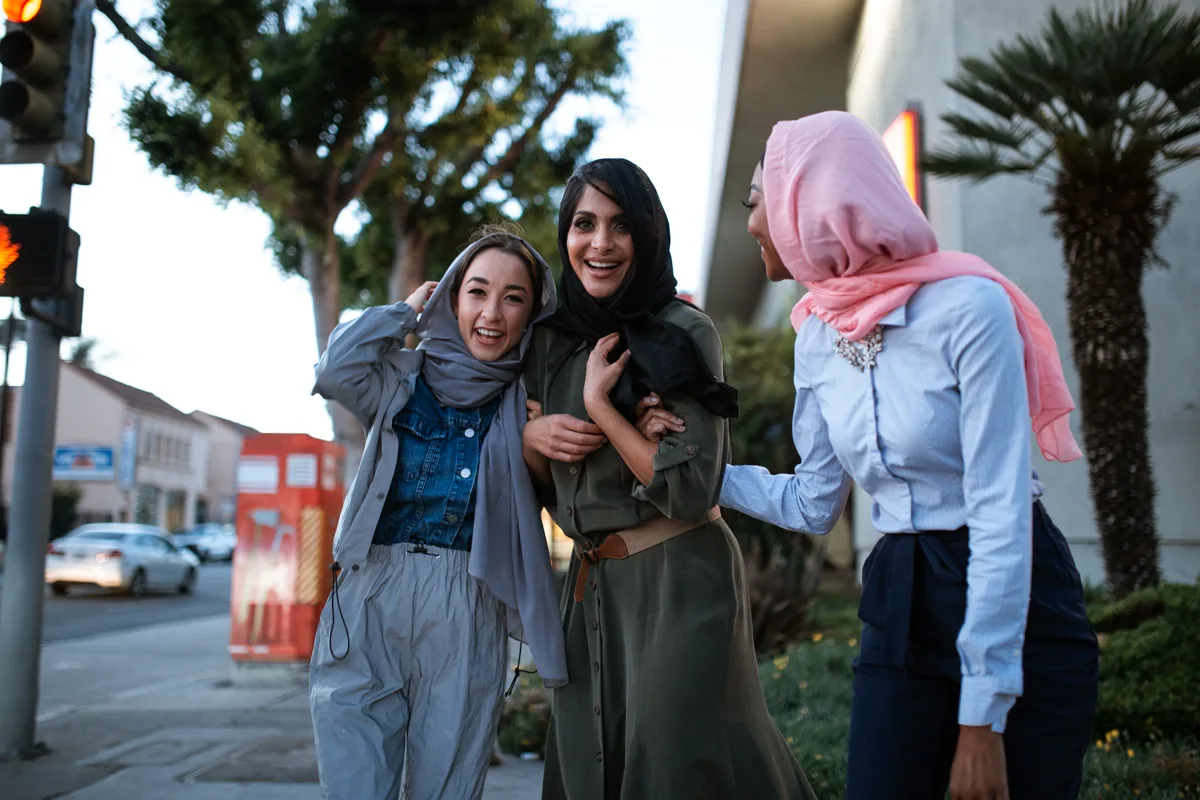
Modest fashion is not just a single aesthetic label. Different modesty preferences, body types, ages, usage areas, and style languages meet in the same category. Therefore, a good campaign doesn't start with looking for a "high-follower account with a hijab"; it identifies which real decision the product facilitates and who can convey this authentically.
BEFORE THE CALL
- Write down the customer question you want the product to solve and your primary campaign goal.
- Clarify the product, size, color, stock, and target publishing period to be sent.
- Separate the needs for organic publishing, brand usage, and paid advertising.
Who is a modest fashion influencer campaign right for?
Modest fashion brands
Ideal for brands wanting to explain fit, fabric, color, outfits, and usage context on a real person. The goal is to show not just how the product looks, but how it moves and pairs with other items.
Lifestyle brands
Collaborations work well if a cosmetic, home, travel, food, or tech product genuinely fits the creator's natural content area. Selection relies on a meaningful connection with the product, not just the creator wearing a hijab.
Briefs using identity as a tag
Approaches expecting only a "face with a hijab," ignoring the reality of the product and community diversity, are not suitable. Modest fashion isn't a singular aesthetic, age group, viewpoint, or consumption habit.
The right start is asking "which product decision should we explain?" before "which influencer?". When a real barrier like length, opacity, season, sizing, care, or versatility is chosen, the creator's role becomes clear. Even if only reach is desired, you must define why the audience will stop scrolling and what they will learn.
Brand readiness is also crucial. Promoting out-of-stock sizes, promising a feature not on the product page, or committing to publishing without knowing the shipping date damages trust. A campaign is meaningful when the storefront and operations can keep the same promise.
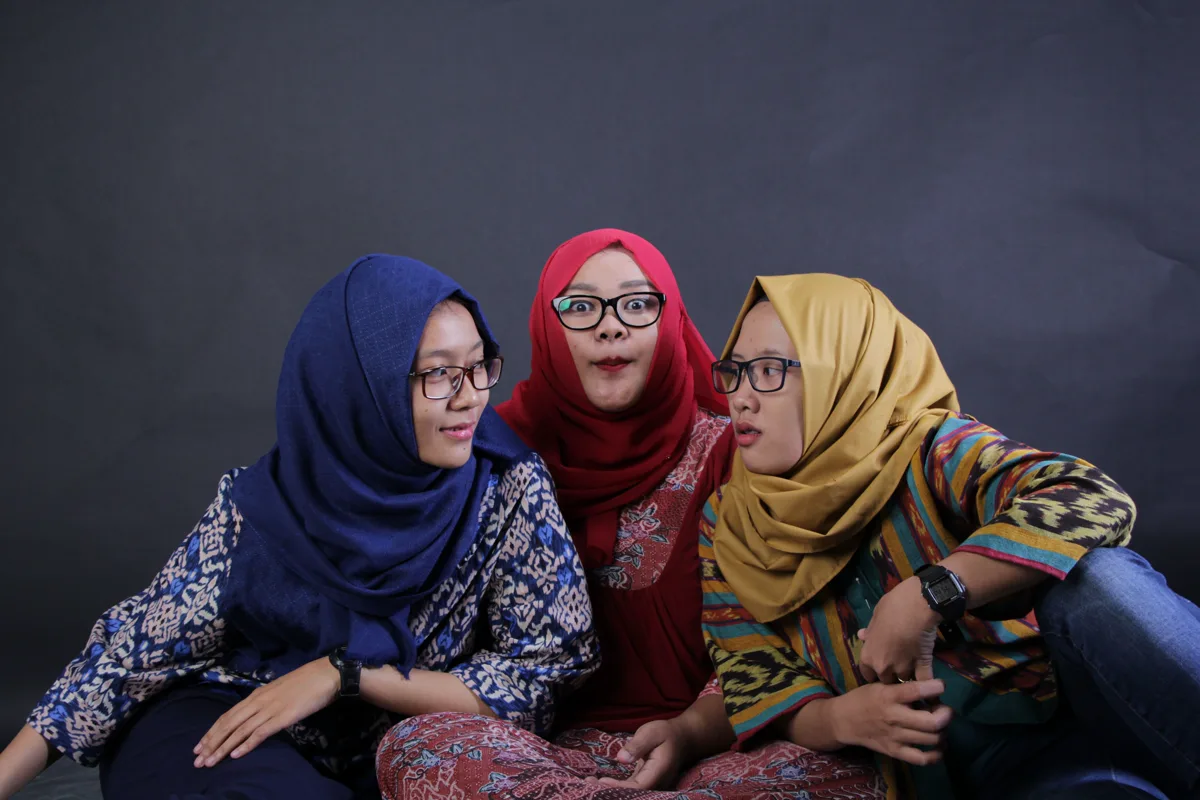
There is no single modest profile
Age, location, profession, body type, color approach, and modesty preferences vary. The candidate pool treats these differences not as decorative diversity, but as actual usage contexts for the product.
- Topic fit: Can the creator naturally address this product question?
- Representation consistency: Does the campaign promise match inventory, sizing, and the product page?
- Boundary respect: Do the shoot and wardrobe requests align with the creator's personal boundaries?
What is included in the service scope?
The scope is not just a list of names. MyFenomen brings together goal and brief clarification, candidate research, fit evaluation, communication, collecting commercial terms, delivery and approval flows, publishing tracking, and the organization of accessible data within the proposal boundaries. Because every project's needs are different, included tasks are specified separately in the written proposal.
Brief and candidate criteria
Product truth, goal, audience hypothesis, creative space, mandatory disclosures, claims to avoid, and measurement needs are gathered in a single decision document.
Communication and delivery
Availability, samples, sizes, drafts, revisions, approvals, and publishing links are tracked. Owners and deadlines are made visible.
Data and learnings
Accessible organic, referral, and ad data are separated by source. Results are not guaranteed; observations are recorded for the next decision.

Separate what is included from what is priced extra
If a product shoot requires a separate studio, professional crew, travel, location, hair and makeup, special props, heavy editing, raw file delivery, or paid media management, these are not automatically in the base scope. The brand's own legal review and product claim approval also remain the brand's responsibility.
Revisions are separated into correcting inaccurate product info versus entirely changing a creator's approved idea. Conditions that could warrant a reshoot are defined upfront, so creative effort doesn't turn into an invisible unlimited service.
Brand response times are also added to the scope. If a draft is ready but the decision-maker cannot be found, the creator's schedule and the product's relevance might suffer. Therefore, a proxy in the owner's absence, a target time for replies, and the path to take in case of silence are defined at the start.
Cancellation or postponement conditions are also real delivery items. If a product is recalled, runs out of stock, or an event changes, how prepared efforts will be compensated is not left ambiguous. This clarity protects both sides from rush and pressure.
How is a modest fashion influencer campaign managed?
Discovery
The goal, product, period, audience, risk, and measurement needs are discussed.
Scope
Content, rights, candidate criteria, budget areas, and responsibilities are written down.
Matchmaking
Candidate fit, availability, and commercial terms are presented for brand approval.
Production
Samples, drafts, disclosures, and approval flows are tracked on a single schedule.
Evaluation
Posts and accessible data are read in the context of the goal.
During discovery, we drop broad words like "awareness" and describe the behavior the campaign wants to change. Showing the usage contexts of a new collection, driving qualified traffic to a specific category page, or answering fabric questions frequently asked by customers require different creative plans. The initial decision also dictates the measurement.

The decision record is the campaign's memory
Instead of phone calls and scattered messages, candidate, product, size, delivery, approval, and rights decisions are kept in a shared record. When there's a change, the old decision isn't silently deleted; the impact of the new scope on the schedule and cost is made visible.
DECISION FLOW
- Product question
- Creator match
- Content evidence
- Measurable action
This diagram is not a performance ratio, but the order in which decisions connect.
Once the product is delivered, time is allotted for the creator to truly test it. A wrong size, a different color arriving, or unexpected fabric behavior isn't a problem to hide, but information that turns into a planning decision. The brand replaces it with the right product; the publishing date is shifted if needed. When content is approved, the ad disclosure, tags, links, and authorizations are checked one last time.
Which campaign type should be chosen based on the goal?
It's more useful to name a campaign type by the business problem it aims to solve rather than the influencer's size. A collection launch can build broad context; product education solves specific objections; a performance-oriented push requires the referral and purchase paths to be measurable. The same piece of content may not perform all roles with equal strength.
| Campaign Type | Suitable Goal | Creative Evidence | Prerequisite |
|---|---|---|---|
| Collection narrative | Introducing a new style world and the relationships between pieces | Multiple outfits, usage scenes, and personal selection rationale | Stock, colors, and product pages must be ready for launch |
| Product education | Solving fabric, fit, wrapping, or care questions | Close-ups, movement, sizing, and real usage observations | Verified product information must be in the brief |
| Launch and event | Conveying an experience at a specific time and place | Contextual stories of preparation, attendance, and selected moments | Clarity on logistics, filming permits, and the publishing window |
| Referral-focused | Driving traffic to a product page or campaign offer | Problem, experience, suitability, and a clear next step | Links, codes, stock, and analytics tracking in place |

One-off post or content series?
A single post can carry a specific announcement, whereas a series addresses different product questions over time. In a series, the first post might introduce the outfit idea, the next shows fabric and movement, and another shares real-use feedback. Each part should have a distinct role.
In long-term ambassadorships, the alignment between the creator and the brand becomes more visible; in return, exclusivity, content frequency, early access to new products, and performance evaluation must be planned carefully. A long-term agreement isn't an automatic success but rather a commitment to deeper coordination.
Broad narrative
Unfolds the style range of the collection, different usage scenes, and the brand's design approach. Qualified visibility and content variety matter more here than short-term sales attribution.
Specific product question
Focuses on decision barriers like "is it see-through?", "how is the length?", or "how does it hold up all day?". The creator's observations are not confused with proven product facts.
A campaign can combine multiple types, provided the priority order is maintained. If both launch visibility and direct sales referrals are demanded in the same post, the creative copy can become cluttered. A series that establishes the collection concept first, then moves to specific product questions and referrals, can be clearer. The budget, rights, and data sources for each phase are viewed separately. This prevents confusing the job of the first post with the results of a later piece of content, allowing the team to honestly evaluate which hypothesis worked at which stage.
How do content formats explain modest products?
Format selection isn't about copying whatever looks popular on the platform. It's about determining what the viewer needs to see to understand the product. Drape and walking require motion; scarf wrapping or layering requires sequential demonstration; color comparison requires steady, consistent lighting. Content is crafted in the format that carries this evidence with the least friction.

Reels carry motion, Carousels hold details
Reels are ideal for a fabric's behavior while walking, transitions between outfits, and the rhythm of wearing. The opening should establish the product question immediately, without generating a misleading promise of curiosity. Carousels can calmly show front, back, close-ups, and sizing info across pausable frames.
Stories support timely actions on publishing day, like checking stock or tapping a link. It's best not to leave crucial product info—that might need screenshotting—solely to the ephemeral format of a Story. Live streams can offer real-time Q&A; moderation, links, and repurposing rights are planned upfront.
| Format | Strongest For | What to Check |
|---|---|---|
| Reels | Movement, transformation, wearing order, and narrated experience | Framing, text safe zones, audio rights, and ad disclosures |
| Carousel | Details, colors, outfit options, and step-by-step explanations | Frame order, product codes, and true color consistency |
| Story | Links, quick answers, reminders, and current offers | Legibility, duration, link testing, and archive expectations |
| Live Stream | Instant product display and audience questions | Flow plan, moderation, claim limits, and recording rights |
Content accessibility is also part of the brief. In spoken videos, readable subtitles, sufficient time for on-screen text, and layouts that don't obscure product details are considered. A viewer watching silently should still grasp the core message. Auto-captions aren't just added and ignored; product names and characters are reviewed.
Formats don't have to be copies of each other. A Reel can carry the main experience, a Carousel the decision details, and a Story the current link. Instead of uploading the exact same video everywhere uncut, a proper deliverable is prepared to fit the reading and interaction style of each placement.
What determines the budget of a modest fashion influencer campaign?
Estimating a campaign budget based on a single post price falls short. Alongside the creator's creative effort and publishing value, the number of products, different size and color deliveries, shoot locations, travel, editing, revisions, usage rights, ad authorization, exclusivity, rush timelines, and reporting needs are evaluated. The price for two different briefs for the same creator can therefore differ.

Separate the budget into visible items
In the proposal, the creator's fee, product and shipping costs, additional production, agency operations, and media budget should not be lumped together. This way, if the scope changes, it's clear which line item is affected. Product cost is not zero; pulling from stock, preparing the right size, and handling returns are part of operations.
Exclusivity is not just the phrase "don't work with competitors." It must be clear which product categories count as competitors, the duration and region it applies to, and the creator's existing agreements. Broad, vague, and long-term restrictions can affect pricing and candidate suitability.
Product seeding (Barter)
Working in exchange for products also requires commercial terms. What the product is, the obligation to post, the format of deliverables, taxes, and ad disclosures are evaluated by both parties. Sending a product doesn't grant unlimited content rights.
Paid collaboration
Creative effort, publishing, and agreed rights are covered by a written fee. The payment schedule, invoicing process, cancellations, delays, and reshoot conditions are detailed in the contract.
How are ad disclosures, usage rights, and permissions managed?
Commercial content must be disclosed so the viewer immediately understands the ad relationship. The Turkish Advertising Board (Reklam Kurulu) guidelines for social media influencers outline the responsibilities of the advertiser, agency, and influencer. Meta also requires using the paid partnership label when there is an exchange of value like payment, gifts, or free products. Both local regulations and platform tools are checked before publishing.
PUBLISHING COMPLIANCE FLOW
- Define the commercial relationship
- Prepare the visible disclosure
- Check the platform label
- Keep a record of the post
This flow is not legal advice; category-specific regulations may require expert review.

An organic post is not a limitless license
Permission to post on the creator's account does not automatically cover usage on the brand's website, emails, in-store screens, marketplaces, or ad accounts. Channels, duration, regions, cropping and editing, subtitling, raw files, archives, and ad authorizations must be explicitly written in the contract.
Permissions for music, locations, photos, designs, visible third parties, and user-generated content are also evaluated. Just because a work is on the internet or credit is given does not grant usage rights on its own. Meta states the safest approach is to share content the person created themselves or has permission to use.
| Topic | Written Decision | Owner |
|---|---|---|
| Ad disclosure | Visible wording to be used and the platform label | Brand, agency, and creator within their respective responsibilities |
| Content rights | Channels, duration, regions, editing, and ad usage | The parties granting and using the right in the contract |
| Product claims | Proven info, mandatory warnings, and statements to avoid | The brand providing the info and the relevant expert |
The appearance of children, customers, or event attendees in content requires extra attention. An entrance ticket or event invite isn't permission to use everyone's image in a commercial ad. Framing is planned, written consent is gathered if needed, or people are left out unrecognizably. If personal data will be processed for campaign communication or remarketing, the purpose, legal basis, privacy notices, and storage processes under the KVKK (Turkish Personal Data Protection Law) are evaluated by the relevant teams; a creator's follower list isn't considered a customer database the brand can use freely.
What data is used to evaluate campaign performance?
The goal is chosen first, then the metric. A campaign aiming for collection visibility is not evaluated with the same indicator as a campaign aiming to drive qualified visits to a product page. The source, definition, period, and access level for each metric are written down. Even if a value on the platform dashboard and an event in web analytics have the same name, they might not measure the same thing.

A report should produce decisions, not just tables
A report shouldn't just list screenshots. It explains which product question generated the most qualified comments, which format carried the information more clearly, which link didn't work, and which variable to keep in the next round. High views don't always mean sales, and low views don't always mean failed content.
Organic and paid distribution are separated. The total result of content amplified by Partnership Ads is not presented as if it came solely from the creator's organic audience. Different publishing dates, stock levels, and promo conditions set the boundaries of comparison.
The evaluation window is chosen upfront. Activity in the first few hours doesn't show the full picture of a product's long decision cycle or content that is saved and revisited later. On the other hand, putting different durations side by side is misleading. The report tries to use the same cross-section for every post and notes the exceptions.
Qualitative feedback doesn't replace numbers; it provides context alongside them. Repeated questions about size, color, stock, or fabric can reveal gaps on the product page. Instead of treating positive comments as proof of results and criticism as unnecessary noise, categorize both.
How do sub-segments of the modest category differ?
Modest fashion is not a single product group. Daily wear, outerwear, occasion wear, sportswear, swimwear, scarves and shawls, plus size, or accessories involve different customer decisions. Fabric weight might be central for outerwear, while non-slip textures and draping are key for scarves; range of motion and layering for sportswear; and lighting, craftsmanship, and delivery timelines for occasion wear.
Comfort and replayability
Versatility, care, daily movement, pockets, linings, and seasonal transitions are explained through real usage scenes.
Detail and delivery trust
Craftsmanship, appearance under lighting, shoe and accessory pairings, and reliable delivery for event dates gain importance.
Texture and application
Slip resistance, draping, dimensions, colors, pin or magnet usage, and different wrapping preferences are shown clearly.
Movement and layering
Range of motion, sweat experience, opacity, hood stability, and suitability for the activity are evaluated under real conditions.
Fit and real representation
The correct samples, size charts, height, and sizing info are provided; a single person's experience isn't generalized to all sizes.
Natural category connection
Home, beauty, travel, or tech are only chosen when they form a meaningful bond with the creator's current topics and the audience's needs.

The sub-segment changes the creative brief
Saying "look elegant" is not enough for an abaya; length, closure, sleeves, lining, movement, and event context must be described. For a shawl, a close-up of the texture, color under different lights, and behavior while wrapping are more valuable. The brief translates the category's decision questions into the creator's experience area.
If a brand carries multiple segments, every creator doesn't need to be paired with every product. The usage context where the candidate is strongest is selected. This separation ensures different posts in the same campaign complement the collection rather than repeating each other.
What are common pitfalls in modest fashion influencer campaigns?

Fix errors at the decision stage before they grow
The most expensive mistakes usually start before the shoot: the product question isn't defined, the wrong size is sent, rights aren't discussed, or the same copy is given to everyone. The fix isn't demanding more revisions; it's setting up the brief, sample, and approval gates in the right order.
Looking only at likes after publishing also limits learning. If you don't know which question the content solved or what action it supported, a seemingly high number won't guide the next campaign.
- Using identity as decor: Choosing a creator solely for their look makes the content superficial. Establish a real topical and lifestyle bond with the product.
- One-size-fits-all brief: Having every creator read the same sentence reduces trust and learning. Pin down the mandatory facts, but leave the narrative space to the individual.
- Wrong samples: Filming with an ill-fitting size ruins the schedule. Verify sizing, colors, stock, and exchange plans prior to shipping.
- Leaving rights for last: Turning successful content into an ad later can cause disputes. Discuss potential uses during the proposal stage.
- Vague ad disclosures: Hiding the ad label misleads the audience. Verify compliance with regulations and platform tools before publishing.
- Guaranteeing results: Promising sales or virality ignores uncontrollable factors. Establish a goal, data source, and a plan for learning instead.
CORRECTION LOOP
- Record the symptom
- Find the root decision
- Choose a single variable
- Verify in the next deliverable
Another pitfall is treating concrete product questions in the comments merely as a community management chore. If the same unanswered question keeps popping up, the content or the product page might be lacking. The brand should provide the creator with a verified short answer and, if necessary, show that detail in the next post. Creators shouldn't be expected to guess material or manufacturing specs they aren't privy to. If misinformation spreads, correct it properly rather than silently changing the caption, and update the brief to prevent similar errors.
What checks are done from start to publishing?
A checklist is not a game of ticking boxes to look busy. Every question must have an owner and proof. Instead of "product is ready," you should see that the correct size is set aside, the product code matches, and tracking info is available. Instead of "legal approved," record exactly which copy and claim were approved in which version.
Start and pre-seeding
- Is the primary campaign goal and targeted action clear?
- Are proven product features and claims to avoid written down?
- Does the candidate selection rationale include more than just follower counts?
- Are the creator's sizing, colors, and personal shooting boundaries confirmed?
- Are publishing, usage rights, ad authorizations, and exclusivity separated?
- Are stock, links, codes, and product pages ready for the target date?
Draft, publishing, and pre-delivery
- Is the product code, color, and highlighted feature in the visual accurate?
- Is the ad disclosure visible and the platform label active?
- Are permissions secured for music, locations, and visible third parties?
- Does the link open the correct page on mobile, and does the code work?
- Are approval owners, publishing times, and crisis contacts set?
- Is the method for delivering links and accessible data written down?

Approval without proof is not considered complete
The control owner doesn't just write "okay"; they attach the link, file version, screenshot, or delivery record. Since campaign tags, product pages, and discount codes can change right at the moment of publishing, the final check looks at the live environment, not an old draft.
In the event of an unexpected problem, publishing shouldn't be forced. If there is a wrong product, stock outage, missing disclosure, or boundary violation, the responsible person must be empowered to hit pause. A crisis plan isn't just about negative comments; it's about correcting wrong information and reaching the creator quickly.
What do the concepts in the proposal mean?
- Brief
- A working document that brings together the goal, product, audience hypothesis, mandatory info, creative space, deliverables, and measurement.
- Barter
- A commercial collaboration where product or another benefit replaces money; it does not mean automatic posts or unlimited rights.
- Organic post
- Content published on the creator's account without an ad budget. The distribution outcome cannot be guaranteed.
- Partnership Ads
- Amplifying eligible creator content as ads using Meta tools and required permissions.
- Usage rights
- Permissions defining the channels, duration, region, and format in which the brand can use the content.
- Exclusivity
- A condition restricting the creator from working with specific competitors for a defined duration and category.
- Raw file
- Video or audio recordings before the final edit; delivery is negotiated separately.
- Reshoot
- Re-producing an approved deliverable from scratch due to specific reasons. It is not the same as a revision.
- UTM tag
- URL parameters that help separate traffic sources in web analytics.
- Attribution
- The measurement approach used to link a visit or commercial result to a specific touchpoint.
- Reach
- An indicator in the context of unique accounts that saw the content, according to the platform's current definition.
- Impressions
- A platform metric showing the total number of times the content was displayed on screen, which can differ from reach.
- Content series
- A sequence of related posts where each piece solves a separate product question.
- Product claim
- Brand statements about fabrics, effects, production, certifications, or performance that require proof.
- Brand safety
- Evaluating the alignment of the creator, content, environment, and publishing context with the brand's defined risk thresholds.

Terms alone are not a scope
Writing "one Reel and usage rights" in a proposal is not enough. The conditions for drafts, duration, publishing, links, and revisions for the Reel must be explained, as well as the channel, time, ad, and editing limits for usage rights. The same term might carry different expectations for different teams.
The glossary's purpose isn't to shorten a legal text, but to ensure everyone means the same thing during a meeting. When you see an ambiguous term, ask for an example deliverable, date, and owner. As campaigns scale, this clarity makes comparing prices and approval processes much easier.
When broad words like "package," "reach," or "performance" appear in a proposal, ask for their measurable equivalents. What deliverables are in the package, which accounts and periods does the reach apply to, and against what goal is performance evaluated? Clear definitions don't drown parties in unnecessary details; rather, they provide a shared translation between the contract and daily operations. If a term changes, a note is made when comparing old reports. Because platform metric names and tools can change, access dates and data sources are documented just as thoroughly as screenshots.
Frequently asked questions about modest fashion influencer campaigns
What is a modest fashion influencer campaign?
A modest fashion influencer campaign is a planned collaboration between a brand and content creators who establish a reliable narrative between the product and modesty preferences, style language, and everyday context. It is not merely someone in a hijab displaying a product. The goal is to define the right creator, delivery format, ad disclosure, usage rights, publishing schedule, and measurement within the same scope. Details like the fabric, fit, opacity, size range, and usage scene directly impact the creative idea.
How do you select a modest fashion influencer?
We look at the creator's category fit and storytelling ability before follower size. We analyze how they show clothing details in past content, the questions they get in comments, their approach to different body types and lifestyle contexts, image quality, ad disclosure habits, and brand safety. Inaccessible demographic data about the audience is not presented as absolute; the selection rationale tied to the brand goal is documented.
How many modest fashion influencers should we work with?
There is no fixed number that applies to every brand. The product variety, targeted usage contexts, creative hypotheses, budget, sample count, and the brand's capacity for draft approvals determine the scope. Solving different product questions with a few strong matches can be more descriptive than distributing the same copy to numerous accounts. The exact number of candidates and content pieces is planned after reviewing the brief, stock, and schedule.
Is selection based solely on follower count?
No. Follower count provides a limited context about potential distribution; it doesn't prove audience interest in the product, content quality, or results on its own. Content consistency, authentic conversations, visual language, product storytelling skills, past collaborations, and operational reliability are evaluated together. Explanations are requested for unusual activities, but absolute judgments are not made about a person based solely on a superficial metric.

Refine the question with product context
Answers to general questions can change once the product, dates, and usage rights are known. Before asking "How many people?", determine how many distinct product questions will be tested and how many deliverables the team can manage effectively.
Don't confuse the creator's real observation with the brand's claim; keep the source and boundary of both separate in the brief.
Does sending a product guarantee a post?
No. Product seeding does not create an automatic posting commitment unless there is a prior written publishing agreement with the creator. Even in barter collaborations, the product exchange, expected deliverables, dates, disclosures, return or exchange conditions, and usage rights must be clearly discussed. Meta states that free or loaned products can also be considered a value exchange and requires the use of the branded content tag.
Can we approve the content before it's published?
Yes, draft approvals can be defined in the scope. Approval should focus on the accuracy of product information, visibility, ad disclosures, mandatory warnings, and brand safety. Turning all of the creator's sentences into corporate copy can weaken the voice their followers recognize. Revision rounds, response times, conditions for reshoots, and the final decision-maker must be clear in the contract.
Should we choose Reels, Stories, or Carousels?
The choice depends on the question the product needs to answer. Reels are suited for movement, drape, and outfit transitions; Stories for short-term redirection, questions, and reminders; Carousels for explaining fabric, color, fit, and usage steps with pausable frames. Instead of forcing a single format on every product, we match the evidence the audience needs to see to decide with the action the brand can measure.
What should be considered in modest fashion shoots?
The product's length, cut, layering needs, how the fabric looks under light, and its behavior in motion must be shown accurately. Color grading shouldn't misrepresent the product tone; framing shouldn't cut off important details. The creator's privacy boundaries and style preferences are discussed clearly in the brief. The shooting location, background, and movement should support the product's usage context; a cultural identity should not be used merely as decor.
How do we include different body sizes in the campaign?
Size inclusivity is addressed from the start in candidate selection and sample planning. Instead of expecting the creator to solve an ill-fitting sample during the shoot, the correct size, measurement charts, and exchange alternatives are prepared. If the campaign involves different sizing experiences, each piece of content doesn't have to repeat the same claim; fit, length, and movement experiences must rely on the person's actual observation. Representation decisions shouldn't stay in the window display but must align with stock and product pages.

Apply FAQ answers to your own brief
These answers form a general decision framework; your product's claims, contract, industry regulations, and current platform tools visible on accounts should be checked separately.
During a proposal meeting, make the question concrete: details like product code, target date, usage channel, ad duration, and data source can change the scope of the same topic.
Can we use the creator's photo on our e-commerce site?
Only if this usage is explicitly permitted in the contract. An organic post on the creator's own account does not mean unlimited usage rights on the brand's e-commerce page, in emails, in-store displays, or paid ads. Channels, duration, regions, editing, subtitling, cropping, raw files, and third-party sharing must be defined separately. If other people are in the shot, their permissions are also evaluated.
Are Partnership Ads included in the campaign?
They are not automatically included in every campaign. If it is planned to amplify the creator's content as an ad, authorization, duration, ad account, targeting owner, media budget, content editing limits, and reporting are written out separately. The organic content production fee and media spend are not presented as the same line item. Current eligibility of Meta tools and the permission flow visible on the account are checked before execution.
How should commercial partnerships be disclosed?
The commercial relationship must be immediately recognizable as an ad, and the disclosure must be visible within the content. In Turkey, the Ministry of Trade's guidelines are evaluated alongside the platform's branded content tool; a vague thank you or a phrase hidden among many tags is not considered sufficient. Current requirements for value exchanges like payment, free products, discounts, invitations, or affiliate sales income are verified prior to publishing.
Who controls music and audio usage?
Responsibility must be explicitly assigned in the workflow. It cannot be assumed that every track in Instagram's licensed music library is suitable for commercial use; Meta states this library is for personal, non-commercial use and that the Sound Collection is available for commercial options. Organic posts, Partnership Ads, and off-platform usage may create different licensing needs. Selected audio is verified alongside the publishing and ad scope.
How is the campaign price determined?
Pricing is based on the creator's creative effort, content format and volume, shooting requirements, publishing obligations, usage rights, ad authorization, exclusivity, timeline, product logistics, and reporting scope. Stating a fixed price without seeing these inputs is misleading. In the proposal, creator fees, product and shipping, production, agency operations, and media budgets (if any) are shown as separate decision areas.

Tie format to realistic trial conditions
If a sports product is shown only in a static pose or an outerwear product only indoors, important usage questions remain unanswered. Shooting conditions must be safe, permitted, and compatible with the creator's boundaries.
Showing realistic conditions doesn't mean generalizing every experience to all customers; the person's body type, weather, and activity context are specified.
How long does it take to prepare a campaign?
The duration depends on the readiness of the brief, candidate availability, product and sizing logistics, shoot complexity, approval rounds, and the publishing window. Without this information, a reliable day count cannot be provided. Once the target date is shared, a backward schedule is built for sample delivery, drafts, approvals, and publishing; who decides in case of delays is also written down initially.
Is a sales guarantee provided?
No. Content performance depends on many factors including product, price, stock, offer, distribution, competition, site experience, measurement infrastructure, and audience behavior. MyFenomen can manage planning, matching, and operations; we do not provide absolute guarantees for sales, reach, or viral spread. Instead, we pre-define appropriate indicators, data sources, and evaluation boundaries suitable for the goal.
How are sales measured in a campaign?
If the measurement infrastructure can be established before the campaign, tagged links, creator-specific codes, and relevant analytics events can be evaluated together. Code usage doesn't prove it's the only reason for a sale; paths like direct visits, cross-device shopping, and deferred purchases might be missed. The report separates platform data and brand analytics with clear sources and periods; it doesn't fabricate missing conversions.
Can products other than modest fashion work with these creators?
Yes, if there is a genuine connection with the creator's lifestyle context and their audience's needs. A cosmetic, home, travel, food, or tech product isn't considered suitable just because the creator wears a hijab. The product's everyday usage, the creator's current content topics, brand values, and creative narrative are evaluated together. Using identity purely as a reach tag damages trust and content quality.
What information should we share to get a proposal?
Brand and product definitions, campaign goals, targeted usage contexts, planned periods, estimated content scopes, products and sizes to be sent, usage rights, ad support needs, budget frameworks, mandatory product information, and measurement expectations are a great start. If every detail isn't ready, gaps can be clarified during the discovery call; it's all compiled into a joint brief before the candidate search.

The final decision: fit, clarity, and realism
A good campaign solves a real product usage question without instrumentalizing the creator's identity. The brand should understand what it promises, the creator what they experience, and the audience why they see commercial content.
Results aren't guaranteed; but when scope, rights, approvals, and data sources are clear, the team knows what they learned and what to change in the next step.
Did this page help you make a decision?
Your choice is shown only on this page; it is not sent to the server.
Sources and scope
Platform and legal statements were checked on September 30, 2026. These sources support the general compliance framework; they do not replace legal review specific to a campaign or regulated product.
- Turkish Ministry of Trade — Communiqués and Guidelines
- Turkish Ministry of Trade — Announcement of the guideline for social media influencers
- Instagram Help Centre — What is considered branded content
- Instagram Help Center — Licensed music library
- Meta Help Center — Copyright on Instagram and Threads
- Meta for Business — Reels and partnership ads
- KVKK — Public announcement on the use of personal data obtained from third parties for advertising and marketing purposes
- KVKK — Matters to consider when obtaining explicit consent
